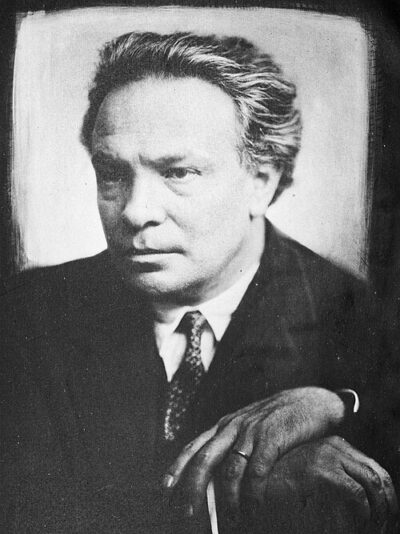
Fountains of Rome
Fountains of Rome is a 1916 Symphonic poem by Ottorino Respighi.
- Released
- 1916
- Genre
- programme music
All 5 facts, and where they come from
Facts
5 facts · 0 confirmed by two sources · 1 cited · 4 from one source
Where this comes from
Papalocal keeps its own record. It started from these sources; what each one said is kept here as it was copied, so a change on their side never changes this page by itself. Tap one to read its version.
What Wikidata says · copied November 17, 2026 · revision 2569398736
- Described as
- 1916 Symphonic poem by Ottorino Respighi
- What it is
- musical work/composition
- Music by
- Ottorino Respighi · 1 reference
- Genre
- programme music
- Released
- 1916
- Followed by
- Pines of Rome
- Wikipedias with a page
- 16
Wikidata item Q1435835 (wikidata.org/wiki/Q1435835), public domain (CC0). Copied 2026-11-17.
What Wikipedia says · copied November 17, 2026 · revision 1367733961
Fountains of Rome (Italian: Fontane di Roma), P 106, is a tone poem in four movements completed in 1916 by the Italian composer Ottorino Respighi. It is the first of his three tone poems about Rome, preceding Pines of Rome (1924) and Roman Festivals (1928). Each movement depicts a setting at one of Rome's fountains at a different time of the day, specifically the Valle Giulia, Triton, Trevi, and Villa Medici. The premiere was held at the Teatro Augusteo on 11 March 1917, with Antonio Guarnieri conducting the Augusteo Orchestra. Respighi was disheartened at its initial mild reception and put away the score, until the piece was re-evaluated by the public following a February 1918 performance by conductor Arturo Toscanini which brought the composer international fame. The piece was published by Casa Ricordi in 1918.
From the Wikipedia article “Fountains of Rome (symphonic poem)” (en.wikipedia.org/wiki/Fountains_of_Rome_(symphonic_poem)), by its contributors, under CC BY-SA 4.0 (creativecommons.org/licenses/by-sa/4.0/). Copied 2026-11-17; not changed.
Confirmed Two sources agree. Cited One source, and it names where it got it. One source One source, without a reference of its own. Sources disagree The sources disagree. We show the best-supported value and keep theirs below.