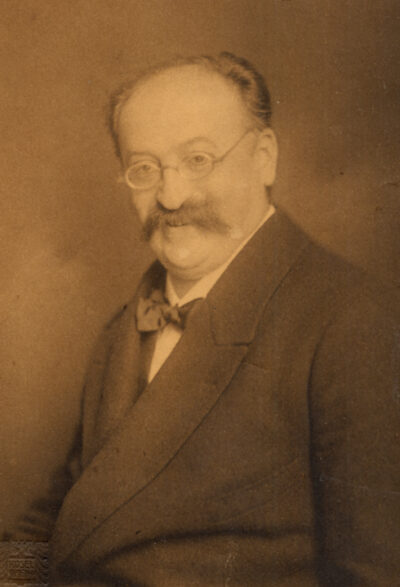
Free Composition
Free Composition is a Treatise by Heinrich Schenker. It came out in 1935.
- Released
- 1935
- Written by
- Heinrich Schenker
All 5 facts, and where they come from
Facts
5 facts · 0 confirmed by two sources · 0 cited · 5 from one source
Where this comes from
Papalocal keeps its own record. It started from these sources; what each one said is kept here as it was copied, so a change on their side never changes this page by itself. Tap one to read its version.
What Wikidata says · copied November 18, 2026 · revision 1349140416
- Described as
- Treatise by Heinrich Schenker
- Other names
- Der freie Satz
- What it is
- treatise
- Written by
- Heinrich Schenker
- Publisher
- Universal Edition
- Released
- 1935
- Language
- German
- Wikipedias with a page
- 1
Wikidata item Q5499787 (wikidata.org/wiki/Q5499787), public domain (CC0). Copied 2026-11-18.
What Wikipedia says · copied November 18, 2026 · revision 1307962921
Free Composition (Der freie Satz) is a treatise by Heinrich Schenker, and possibly Schenker's best known work. The third volume of New Musical Theories and Fantasies (preceded by Harmony and Counterpoint), it was first published posthumously by Universal Edition in Vienna in 1935. A second German edition by Oswald Jonas appeared in Vienna in 1956. The American translation by Ernst Oster was published by Longman, New York and London, in 1979.
Free Composition is often believed to present a complete and systematic outline of Schenker's mature theory, but it relies heavily on his previous writings, especially Der Tonwille and Das Meisterwerk in der Musik and cannot be fully appreciated without some knowledge of these publications.
The word Satz does not easily translate in English. "Free composition", the title of the American translation apparently implies that there may exist a "strict composition", but Schenker considered that composition, by definition, is free, as opposed to strict counterpoint. The French translation proposes L'Écriture libre ("Free writing," as opposed to "Strict writing"). Neither solution is entirely satisfactory.
Free Composition consists of two volumes, one volume of text and one of musical examples. It is divided into three parts, dealing respectively with background, middleground, and foreground levels of structure. The last chapters of Part III are devoted to Meter and Rhythm and to Form.
From the Wikipedia article “Free Composition” (en.wikipedia.org/wiki/Free_Composition), by its contributors, under CC BY-SA 4.0 (creativecommons.org/licenses/by-sa/4.0/). Copied 2026-11-18; not changed.
Confirmed Two sources agree. Cited One source, and it names where it got it. One source One source, without a reference of its own. Sources disagree The sources disagree. We show the best-supported value and keep theirs below.