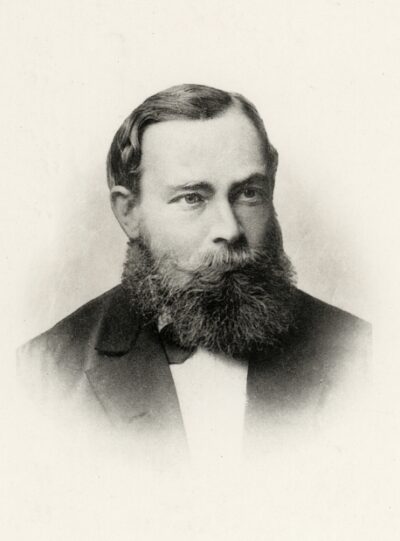
Frege–Church ontology
Frege–Church ontology is a scientific theory.
All 1 facts, and where they come from
Facts
1 facts · 0 confirmed by two sources · 0 cited · 1 from one source
Where this comes from
Papalocal keeps its own record. It started from these sources; what each one said is kept here as it was copied, so a change on their side never changes this page by itself. Tap one to read its version.
What Wikidata says · copied November 16, 2026 · revision 1441161511
- What it is
- scientific theory
- Wikipedias with a page
- 1
Wikidata item Q5501323 (wikidata.org/wiki/Q5501323), public domain (CC0). Copied 2026-11-16.
What Wikipedia says · copied November 16, 2026 · revision 1151203576
The Frege–Church ontology is an ontology, a theory of existence. Everything is considered as being in three categories, object (referent, denotation), name, or concept (sense). The ontology was developed by Alonzo Church based on ideas of Gottlob Frege to resolve some paradoxes. The ontology is related to certain modal logics.
From the Wikipedia article “Frege–Church ontology” (en.wikipedia.org/wiki/Frege–Church_ontology), by its contributors, under CC BY-SA 4.0 (creativecommons.org/licenses/by-sa/4.0/). Copied 2026-11-16; not changed.
Confirmed Two sources agree. Cited One source, and it names where it got it. One source One source, without a reference of its own. Sources disagree The sources disagree. We show the best-supported value and keep theirs below.