Fuenteovejuna
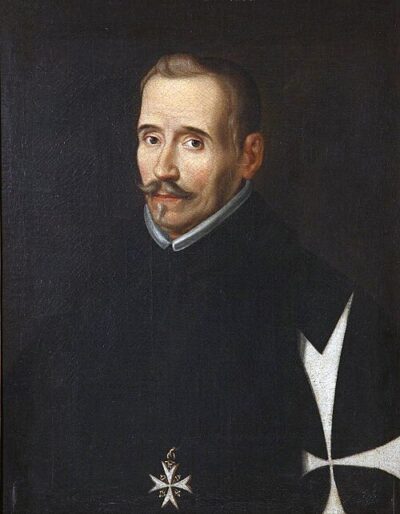
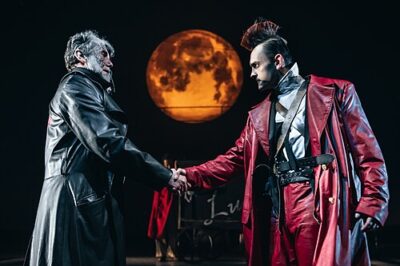
Fuenteovejuna is a play written by Lope de Vega. It came out in 1619.
- Published
- 1619
- Written by
- Lope de Vega
- Genre
- historical drama
- Country of origin
- Spain
All 6 facts, and where they come from
Facts
6 facts · 0 confirmed by two sources · 0 cited · 6 from one source
Where this comes from
Papalocal keeps its own record. It started from these sources; what each one said is kept here as it was copied, so a change on their side never changes this page by itself. Tap one to read its version.
What Wikidata says · copied November 17, 2026 · revision 2515924130
- Described as
- play written by Lope de Vega
- What it is
- literary work
- Written by
- Lope de Vega · 1 reference
- Genre
- historical drama · 1 reference
- Published
- 1619
- Language
- Spanish
- Country of origin
- Spain
- Wikipedias with a page
- 17
Wikidata item Q2608537 (wikidata.org/wiki/Q2608537), public domain (CC0). Copied 2026-11-17.
What Wikipedia says · copied November 17, 2026 · revision 1374313726
Fuenteovejuna (Spanish: [ˌfwenteoβeˈxuna]) is a play by the Spanish playwright Lope de Vega. First published in Madrid in 1619, as part of Docena Parte de las Comedias de Lope de Vega Carpio (Volume 12 of the Collected plays of Lope de Vega Carpio), the play is believed to have been written between 1612 and 1614. The play is based upon a historical incident that took place in the village of Fuenteovejuna in Castile, in 1476. While under the command of the Order of Calatrava, a commander, Fernán Gómez de Guzmán, mistreated the villagers, who banded together and killed him. When a magistrate sent by King Ferdinand II of Aragon arrived in the village to investigate, the villagers, even under the pain of torture, responded only by saying "Fuenteovejuna did it."
The play has often been translated, but its international fame is relatively recent. It was not translated into English until the 1930s.
From the Wikipedia article “Fuenteovejuna” (en.wikipedia.org/wiki/Fuenteovejuna), by its contributors, under CC BY-SA 4.0 (creativecommons.org/licenses/by-sa/4.0/). Copied 2026-11-17; not changed.
Confirmed Two sources agree. Cited One source, and it names where it got it. One source One source, without a reference of its own. Sources disagree The sources disagree. We show the best-supported value and keep theirs below.
Picture: Petr Chodura, via Wikimedia Commons · CC BY-SA 4.0