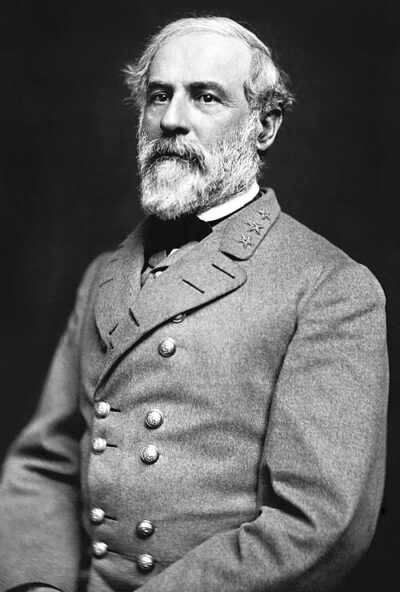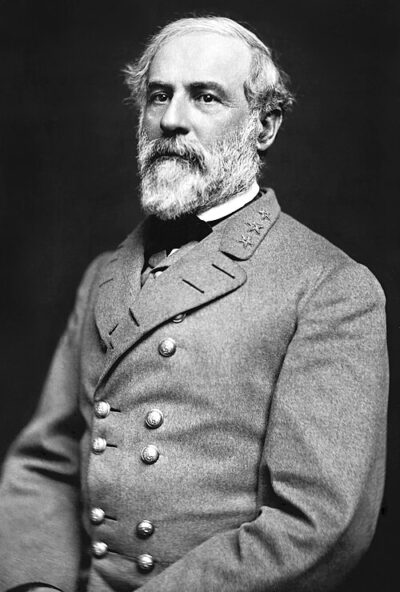
General in Chief of the Armies of the Confederate States
The General in Chief of the Armies of the Confederate States is a statutory office held by a general in the Confederate States Army. It was created in 1865.
- Country
- Confederate States of America
- Created
- January 31, 1865
All 4 facts, and where they come from
Facts
4 facts · 0 confirmed by two sources · 0 cited · 4 from one source
Where this comes from
Papalocal keeps its own record. It started from these sources; what each one said is kept here as it was copied, so a change on their side never changes this page by itself. Tap one to read its version.
What Wikidata says · copied November 16, 2026 · revision 2565804369
- Described as
- statutory office held by a general in the Confederate States Army
- Other names
- General in Chief
- What it is
- position
- Created
- January 31, 1865
- Ended
- April 9, 1865
- Country
- Confederate States of America
- Wikipedias with a page
- 3
Wikidata item Q16205650 (wikidata.org/wiki/Q16205650), public domain (CC0). Copied 2026-11-16.
What Wikipedia says · copied November 16, 2026 · revision 1373665493
The general in chief of the Armies of the Confederate States, or simply general in chief, was the military commander of the Confederate States Army (CSA) from January until April 1865. The office was effectively abolished on April 9, 1865, when General Robert E. Lee surrendered to federal forces at Appomattox, Virginia. Despite being General in Chief; the title defined a role rather than making Lee something that could be called the highest ranking Confederate general officer as the seven full generals of the Confederate States were delineated solely by seniority, topped by General Samuel Cooper.
From the Wikipedia article “General in Chief of the Armies of the Confederate States” (en.wikipedia.org/wiki/General_in_Chief_of_the_Armies_of_the_Confederate_States), by its contributors, under CC BY-SA 4.0 (creativecommons.org/licenses/by-sa/4.0/). Copied 2026-11-16; not changed.
Confirmed Two sources agree. Cited One source, and it names where it got it. One source One source, without a reference of its own. Sources disagree The sources disagree. We show the best-supported value and keep theirs below.
Picture: Julian Vannerson, via Wikimedia Commons · Public domain