Gennett
Gennett is an American record company and label in Richmond, Indiana. It was founded in 1917.
- Founded
- 1917
- Headquarters
- Richmond
- Country
- United States
All 7 facts, and where they come from
Facts
7 facts · 0 confirmed by two sources · 2 cited · 5 from one source
Where this comes from
Papalocal keeps its own record. It started from these sources; what each one said is kept here as it was copied, so a change on their side never changes this page by itself. Tap one to read its version.
What Wikidata says · copied November 17, 2026 · revision 2515952825
- Described as
- American record company and label in Richmond, Indiana
- Other names
- Gennett Records
- What it is
- record label; record company · 1 reference
- Genre
- jazz
- Founded
- 1917 · 1 reference
- Ended
- 1932 · 1 reference
- Headquarters
- Richmond · 1 reference
- Country
- United States · 1 reference
- Wikipedias with a page
- 7
Wikidata item Q1453295 (wikidata.org/wiki/Q1453295), public domain (CC0). Copied 2026-11-17.
What Wikipedia says · copied November 17, 2026 · revision 1370757830
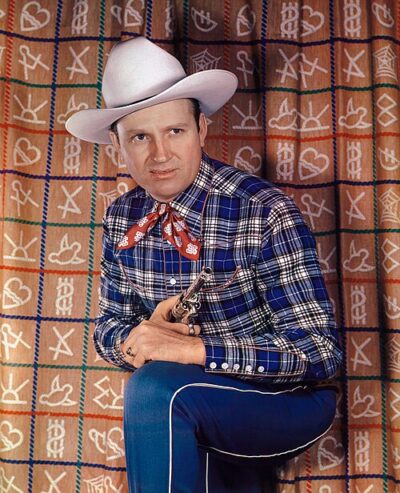
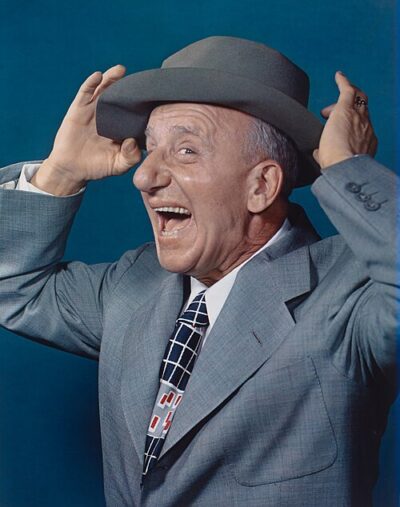
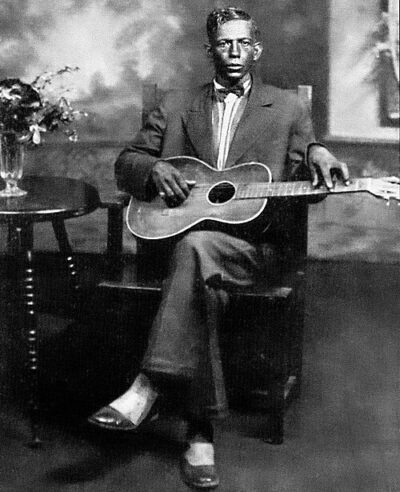
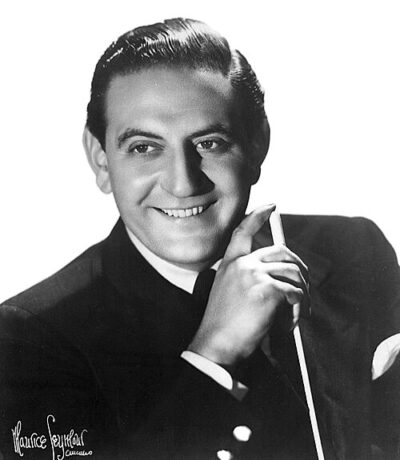
Gennett Records () was an American record company and label in Richmond, Indiana, United States, which flourished in the 1920s and produced the Gennett, Starr, Champion, Superior, and Van Speaking labels. The company also produced some Supertone, Silvertone, and Challenge records under contract. The firm also pressed, under contract, records for record labels such as Autograph, Rainbow, Hitch, Our Song, and Vaughn. Gennett produced some of the earliest recordings by Louis Armstrong, King Oliver, Bix Beiderbecke, and Hoagy Carmichael. Its roster also included Jelly Roll Morton, Blind Lemon Jefferson, Charley Patton, and Gene Autry.
From the Wikipedia article “Gennett Records” (en.wikipedia.org/wiki/Gennett_Records), by its contributors, under CC BY-SA 4.0 (creativecommons.org/licenses/by-sa/4.0/). Copied 2026-11-17; not changed.
Confirmed Two sources agree. Cited One source, and it names where it got it. One source One source, without a reference of its own. Sources disagree The sources disagree. We show the best-supported value and keep theirs below.