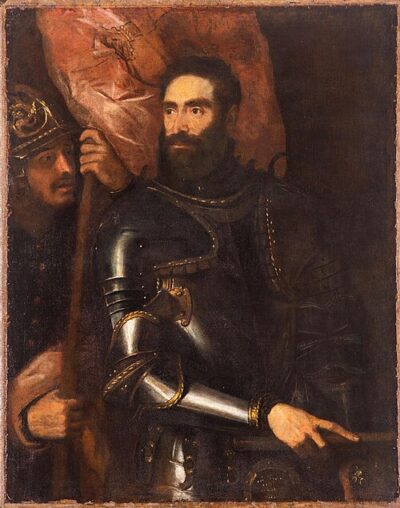
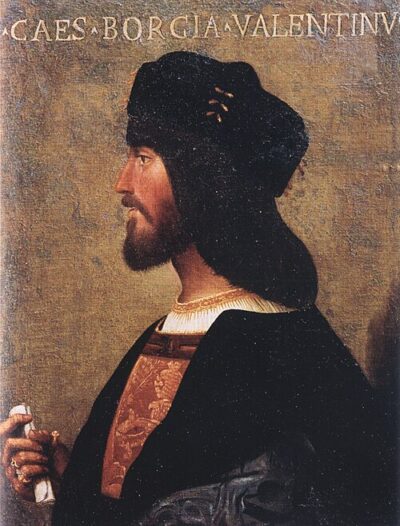
Gonfalonier of the Church
The Gonfalonier of the Church is a post of the State of the Church.
- Country
- Papal States
All 2 facts, and where they come from
Facts
2 facts · 0 confirmed by two sources · 0 cited · 2 from one source
Where this comes from
Papalocal keeps its own record. It started from these sources; what each one said is kept here as it was copied, so a change on their side never changes this page by itself. Tap one to read its version.
What Wikidata says · copied November 17, 2026 · revision 2569581657
- Described as
- post of the State of the Church
- What it is
- position
- Country
- Papal States
- Wikipedias with a page
- 8
Wikidata item Q1537096 (wikidata.org/wiki/Q1537096), public domain (CC0). Copied 2026-11-17.
What Wikipedia says · copied November 17, 2026 · revision 1381729293
The Gonfalonier of the Church or Papal Gonfalonier (Italian: Gonfaloniere della Chiesa, "standard-bearer"; Latin: Vexillifer Ecclesiæ) was a military and political office of the Papal States. Originating from the use of the Papal banner during combat, the office later became largely ceremonial and political. At his nomination, the gonfalonier was given two banners, one with the arms of the Church (vexillum cum armis Ecclesiæ) and another with the arms of the reigning pope (cum armis suis). The gonfalonier was entitled to include ecclesiastical emblems (the Keys of St. Peter and the ombrellino) upon his own arms, usually only during his term of office but on occasion permanently. Pope Innocent XII ended the rank, along with the captaincy general, and replaced them both with the position of flag-bearer of the Holy Roman Church (Italian: Vessilifero di Santa Romana Chiesa), which later became hereditary in the Naro Patrizi.
From the Wikipedia article “Gonfalonier of the Church” (en.wikipedia.org/wiki/Gonfalonier_of_the_Church), by its contributors, under CC BY-SA 4.0 (creativecommons.org/licenses/by-sa/4.0/). Copied 2026-11-17; not changed.
Confirmed Two sources agree. Cited One source, and it names where it got it. One source One source, without a reference of its own. Sources disagree The sources disagree. We show the best-supported value and keep theirs below.