Gorgias
Gorgias is a Socratic dialogue written by Plato. It is part of Platonic dialogue.
- Written by
- Plato
- Genre
- dialogue
All 5 facts, and where they come from
Facts
5 facts · 0 confirmed by two sources · 0 cited · 5 from one source
Where this comes from
Papalocal keeps its own record. It started from these sources; what each one said is kept here as it was copied, so a change on their side never changes this page by itself. Tap one to read its version.
What Wikidata says · copied November 17, 2026 · revision 2556062957
- Described as
- Socratic dialogue written by Plato
- Other names
- Plat. Gorg.
- What it is
- written work
- Written by
- Plato
- Genre
- dialogue
- Language
- Ancient Greek
- Part of the series
- Platonic dialogue · 1 reference
- Wikipedias with a page
- 43
Wikidata item Q264241 (wikidata.org/wiki/Q264241), public domain (CC0). Copied 2026-11-17.
What Wikipedia says · copied November 17, 2026 · revision 1367030962
Gorgias (; Greek: Γοργίας [ɡorɡíaːs]) is a Socratic dialogue written by Plato around 380 BC. The dialogue depicts a conversation between Socrates and a small group at a dinner gathering. Socrates debates with self-proclaimed rhetoricians seeking the true definition of rhetoric, attempting to pinpoint the essence of rhetoric and unveil the flaws of the sophistic oratory popular in Athens at the time. The art of persuasion was widely considered necessary for political and legal advantage in classical Athens, and rhetoricians promoted themselves as teachers of this fundamental skill. Some, like Gorgias, were foreigners attracted to Athens because of its reputation for intellectual and cultural sophistication. Socrates suggests that he (Socrates) is one of the few Athenians to practice true politics (521d).
From the Wikipedia article “Gorgias (dialogue)” (en.wikipedia.org/wiki/Gorgias_(dialogue)), by its contributors, under CC BY-SA 4.0 (creativecommons.org/licenses/by-sa/4.0/). Copied 2026-11-17; not changed.
Confirmed Two sources agree. Cited One source, and it names where it got it. One source One source, without a reference of its own. Sources disagree The sources disagree. We show the best-supported value and keep theirs below.
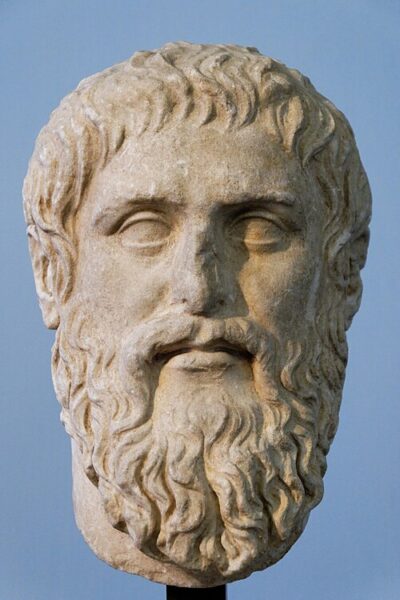
Picture: Wikimedia Commons: Plato Silanion Musei Capitolini MC1377.jpg · See Commons file page