

Governor General of Canada
Governor General of Canada is a representative of the monarch of Canada. It was created in 1867.
- Office of
- Canada (1867–)
- Country
- Canada
- Created
- 1867
All 7 facts, and where they come from
Facts
7 facts · 0 confirmed by two sources · 1 cited · 6 from one source
Where this comes from
Papalocal keeps its own record. It started from these sources; what each one said is kept here as it was copied, so a change on their side never changes this page by itself. Tap one to read its version.
What Wikidata says · copied November 16, 2026 · revision 2543014103
- Described as
- representative of the monarch of Canada
- Other names
- Governor-General of Canada
- What it is
- position
- Comes after
- monarch of Canada
- Followed by
- Prime Minister of Canada
- Created
- 1867 · 2 references
- Country
- Canada
- Office of
- Canada (1867–)
- Official website
- https://www.gg.ca/fr/gouverneur-general
- Wikipedias with a page
- 39
Wikidata item Q390776 (wikidata.org/wiki/Q390776), public domain (CC0). Copied 2026-11-16.
What Wikipedia says · copied November 16, 2026 · revision 1384971292
The governor general of Canada (French: gouverneure générale du Canada) is the federal representative of the Canadian monarch, currently King Charles III. The monarch of Canada is also sovereign and head of state of 14 other Commonwealth realms and resides in the United Kingdom. The monarch, on the advice of his or her Canadian prime minister, appoints a governor general to administer the government of Canada in the monarch's name. The commission is for an indefinite period—known as serving at His Majesty's pleasure—but is usually for five years. Since 1959, it has also been traditional to alternate between francophone and anglophone officeholders. The 31st and current governor general is Louise Arbour, who was sworn in on 8 June 2026.
As the sovereign's representative, the governor general carries out the day-to-day constitutional and ceremonial duties of the monarch. The constitutional duties include appointing lieutenant governors, Supreme Court justices, and senators; signing orders-in-council; summoning, proroguing, and dissolving the federal parliament; granting royal assent to bills; calling elections; and signing commissions for officers of the Canadian Armed Forces. The ceremonial duties include delivering the speech from the throne at the state opening of parliament; attend the Remembrance Day ceremony in November, accepting letters of credence from incoming ambassadors; and distributing honours, decorations, and medals. Per the tenets of responsible government, the governor general acts almost always (except on the matter of honours) on the advice of the prime minister.
The office began in the 17th century, when the French Crown appointed governors of the colony of Canada and, following the British conquest of the colony in 1763, the British monarch appointed governors of the Province of Quebec (later the Canadas). Consequently, the office is, along with the Crown, the oldest continuous institution in Canada. The present version of the office emerged with Canadian Confederation and the passing of the British North America Act, 1867.
Although the post initially represented the government of the United Kingdom, the office was gradually Canadianized until, with the passage of the Statute of Westminster, 1931, and the establishment of a separate and uniquely Canadian monarchy, the governor general became the direct personal representative of the independently Canadian sovereign (the monarch in his Canadian council). Throughout this process of gradually increasing Canadian independence, the role of governor general took on additional responsibilities, such as acting as commander-in-chief of the Canadian militia in the monarch's stead, and, in 1927, the first official international visit by a governor general was made. In 1947, King George VI issued letters patent allowing the viceroy to exercise almost all powers on behalf of the monarch. As a matter of law, however, the governor general is not in the same constitutional position as the sovereign; the office itself does not, as such, possess any powers of the royal prerogative. Any constitutional amendment that affects the Crown, including the office of governor general, requires the unanimous consent of each provincial legislative assembly as well as the Senate and House of Commons of Canada.
From the Wikipedia article “Governor General of Canada” (en.wikipedia.org/wiki/Governor_General_of_Canada), by its contributors, under CC BY-SA 4.0 (creativecommons.org/licenses/by-sa/4.0/). Copied 2026-11-16; not changed.
Confirmed Two sources agree. Cited One source, and it names where it got it. One source One source, without a reference of its own. Sources disagree The sources disagree. We show the best-supported value and keep theirs below.
Picture: Wikimedia Commons: Louise Arbour - World Economic Forum Annual Meeting 2011.jpg · See Commons file page
People connected 8
Held this office
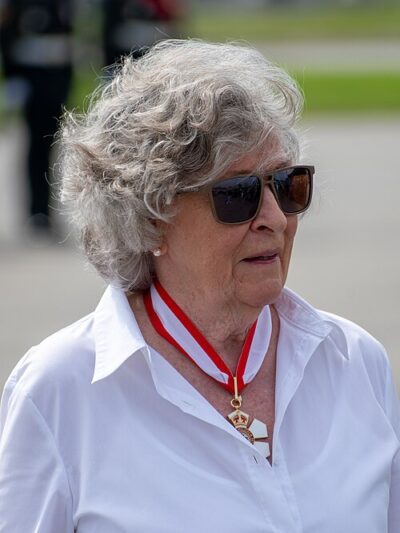 Louise Arbour (2026–)Governor General of Canada
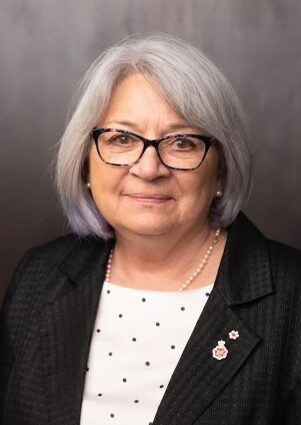 Mary Simon (2021–2026)Governor General of Canada 2021-2025
 Julie Payette (2017–2021)29th governor general of Canada, former CSA Astronaut (born 1963)
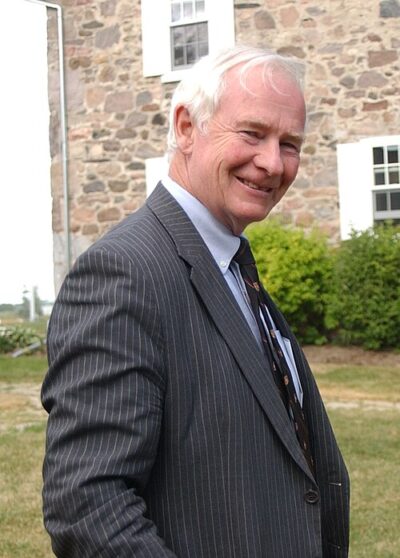 David Johnston (2010–2017)Governor General of Canada from 2010 to 2017
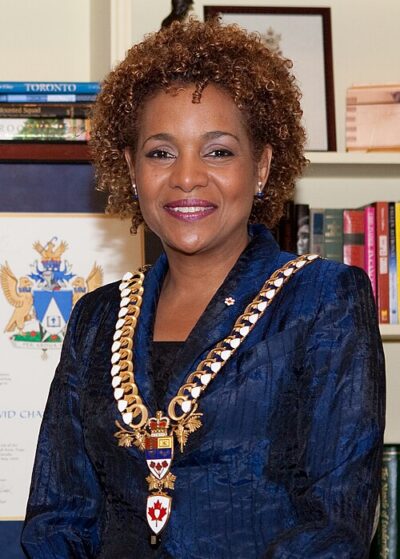 Michaëlle Jean (2005–2010)Canadian journalist and 27th Governor General of Canada
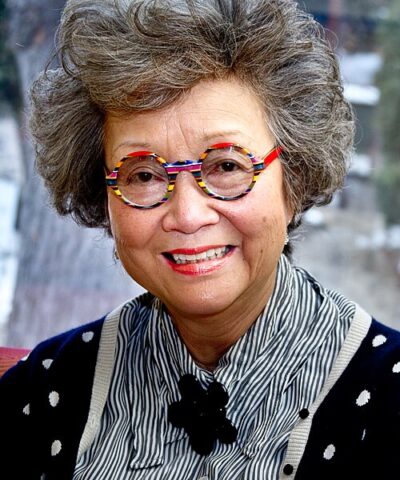 Adrienne Clarkson (1999–2005)26th governor general of Canada
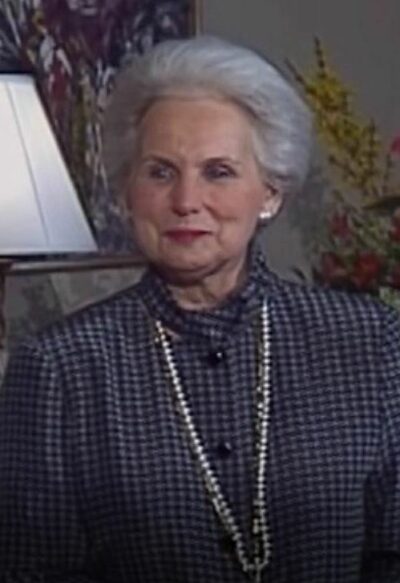 Jeanne Sauvé (1984–1990)Canadian politician (1922–1993)
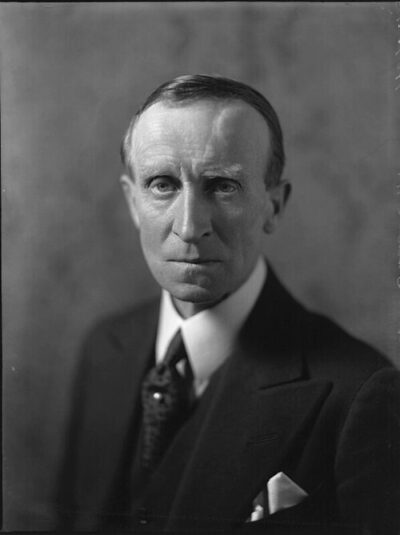 John Buchan (1935–1940)Scottish author and politician (1875–1940)
