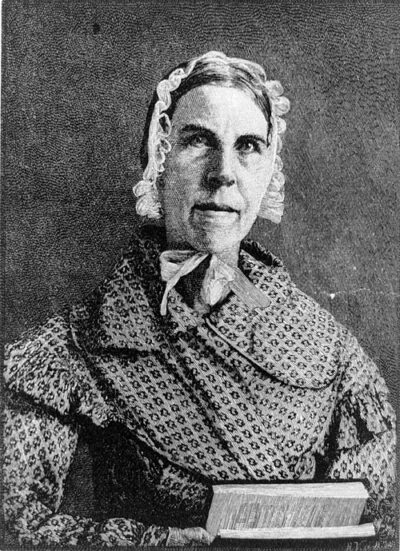
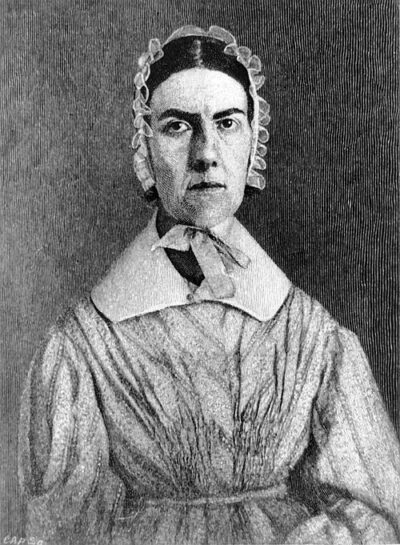
Grimké sisters
Grimké sisters is a white American female advocates of abolition of slavery and women's rights.
All 4 facts, and where they come from
Facts
4 facts · 0 confirmed by two sources · 0 cited · 4 from one source
Where this comes from
Papalocal keeps its own record. It started from these sources; what each one said is kept here as it was copied, so a change on their side never changes this page by itself. Tap one to read its version.
What Wikidata says · copied November 17, 2026 · revision 2563979229
- Described as
- white American female advocates of abolition of slavery and women's rights
- Other names
- Grimke sisters
- What it is
- sister duo
- Field
- abolitionism; women's emancipation; gender equality
- Wikipedias with a page
- 8
Wikidata item Q5609270 (wikidata.org/wiki/Q5609270), public domain (CC0). Copied 2026-11-17.
What Wikipedia says · copied November 17, 2026 · revision 1379961484
The Grimke sisters, Sarah Moore Grimké (1792–1873) and Angelina Emily Grimké (1805–1879), were American writers, educators, and public speakers, best known for their advocacy of abolitionism and women's rights.
Among the first American-born women to engage in public speaking tours, the sisters advocated through speech and writing for the civil rights of African Americans and civil rights for women, emphasizing the interconnectedness of these struggles. Sarah Grimké's pamphlet, The Equality of the Sexes and the Condition of Women, has been called "the first serious discussion of women's rights by an American woman."
The sisters grew up in a slave-owning family in South Carolina and became part of Philadelphia's substantial Quaker society in their twenties. The sisters, along with Angelina's husband, Theodore Dwight Weld, founded a private school in 1848 on their farm in Belleville, New Jersey.
From the Wikipedia article “Grimké sisters” (en.wikipedia.org/wiki/Grimké_sisters), by its contributors, under CC BY-SA 4.0 (creativecommons.org/licenses/by-sa/4.0/). Copied 2026-11-17; not changed.
Confirmed Two sources agree. Cited One source, and it names where it got it. One source One source, without a reference of its own. Sources disagree The sources disagree. We show the best-supported value and keep theirs below.