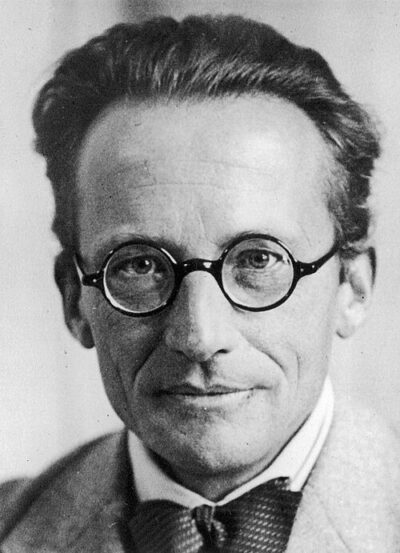
Haitinger Prize
Haitinger Prize is a former Austrian science award for "studies in chemistry and physics that proved to be of great practical use for industrial applications" (1905–1954). It was created in 1904. It is given by the Austrian Academy of Sciences.
- Given by
- Austrian Academy of Sciences
- Country
- Austria
- Created
- 1904
All 8 facts, and where they come from
Facts
8 facts · 0 confirmed by two sources · 0 cited · 7 from one source · 1 where the sources disagree
What’s different
- Created: we show 1904 (Sources disagree). Wikidata also lists 1905
Where this comes from
Papalocal keeps its own record. It started from these sources; what each one said is kept here as it was copied, so a change on their side never changes this page by itself. Tap one to read its version.
What Wikidata says · copied November 17, 2026 · revision 2569607096
- Described as
- former Austrian science award for "studies in chemistry and physics that proved to be of great practical use for industrial applications" (1905–1954)
- What it is
- award; science award; chemistry award
- Created
- 1904 · 1 reference; 1905 · 1 reference
- Ended
- 1954 · 1 reference
- Country
- Austria
- Given by
- Austrian Academy of Sciences
- Named after
- Ludwig Camillo Haitinger
- Wikipedias with a page
- 6
Wikidata item Q1569607 (wikidata.org/wiki/Q1569607), public domain (CC0). Copied 2026-11-17.
What Wikipedia says · copied November 17, 2026 · revision 1307784228
The Haitinger Prize of the Austrian Academy of Sciences was founded in 1904 by the chemist and factory director, Ludwig Camillo Haitinger (1860–1945), who created the award in honor of his father, Karl Ludwig Haitinger. From 1905 to 1943 it was awarded every year, for "studies in chemistry and physics that proved to be of great practical use for industrial applications". The prize was awarded for the last time in the year 1954.
From the Wikipedia article “Haitinger Prize” (en.wikipedia.org/wiki/Haitinger_Prize), by its contributors, under CC BY-SA 4.0 (creativecommons.org/licenses/by-sa/4.0/). Copied 2026-11-17; not changed.
Confirmed Two sources agree. Cited One source, and it names where it got it. One source One source, without a reference of its own. Sources disagree The sources disagree. We show the best-supported value and keep theirs below.