
Hans A. Bethe Prize
Hans A. Bethe Prize is an award for astrophysics, nuclear physics, nuclear astrophysics or closely related fields. It is given by the American Physical Society.
- Given by
- American Physical Society
- Country
- United States
All 6 facts, and where they come from
Facts
6 facts · 0 confirmed by two sources · 0 cited · 6 from one source
Where this comes from
Papalocal keeps its own record. It started from these sources; what each one said is kept here as it was copied, so a change on their side never changes this page by itself. Tap one to read its version.
What Wikidata says · copied November 17, 2026 · revision 2569575572
- Described as
- award for astrophysics, nuclear physics, nuclear astrophysics or closely related fields
- Other names
- Hans Bethe Prize
- What it is
- award; astrophysics award; award of the American Physical Society
- Country
- United States · 1 reference
- Given by
- American Physical Society
- Named after
- Hans Bethe
- Wikipedias with a page
- 9
Wikidata item Q1576704 (wikidata.org/wiki/Q1576704), public domain (CC0). Copied 2026-11-17.
What Wikipedia says · copied November 17, 2026 · revision 1386200645
The Hans A. Bethe Prize, is presented annually by the American Physical Society.
The prize honors outstanding work in theory, experiment or observation in the areas of astrophysics, nuclear physics, nuclear astrophysics, or closely related fields. The prize consists of $10,000 and a certificate citing the contributions made by the recipient.
Hans Bethe prize is endowed by contributions from the Division of Astrophysics, the Division of Nuclear Physics and friends of the Nobel laureate Hans A. Bethe to honor him for his outstanding and numerous accomplishments in both astrophysics and nuclear physics.
The prize has been awarded annually since 1998.
From the Wikipedia article “Hans A. Bethe Prize” (en.wikipedia.org/wiki/Hans_A._Bethe_Prize), by its contributors, under CC BY-SA 4.0 (creativecommons.org/licenses/by-sa/4.0/). Copied 2026-11-17; not changed.
Confirmed Two sources agree. Cited One source, and it names where it got it. One source One source, without a reference of its own. Sources disagree The sources disagree. We show the best-supported value and keep theirs below.
People connected 6
Won it
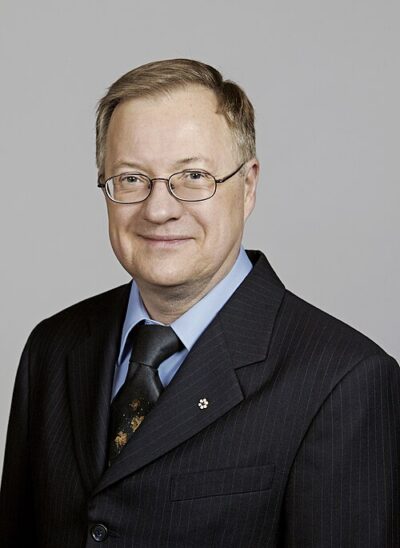 J. Richard Bond (2024)Canadian astrophysicist and cosmologist
 Vasiliki Kalogera (2016)Greek astrophysicist
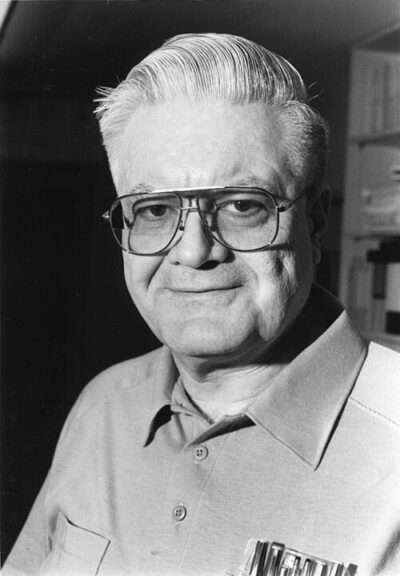 Alastair G. W. Cameron (2006)Canadian astrophysicist (1925–2005)
- GGordon Baym (2002)American physicist
- EEdwin E. Salpeter (1999)Austrian–Australian–American astrophysicist (1924–2008)
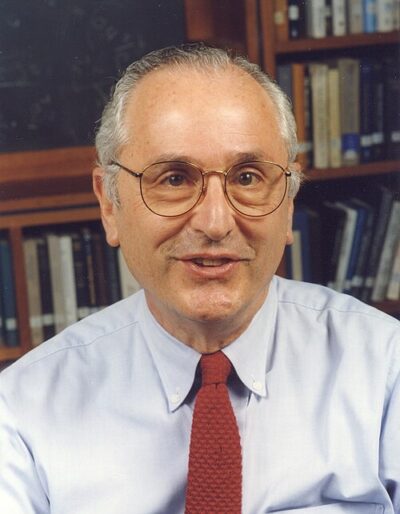 John N. Bahcall (1998)American physicist (1934–2005)
