
American Physical Society
The American Physical Society is a professional organization of physicists. It was founded in 1899 by Arthur Gordon Webster. Its headquarters are in College Park.
- Founded
- May 20, 1899
- Founded by
- Arthur Gordon Webster
- Headquarters
- College Park
- Industry
- higher education
- Country
- United States
All 10 facts, and where they come from
Facts
10 facts · 0 confirmed by two sources · 3 cited · 7 from one source
Where this comes from
Papalocal keeps its own record. It started from these sources; what each one said is kept here as it was copied, so a change on their side never changes this page by itself. Tap one to read its version.
What Wikidata says · copied November 16, 2026 · revision 2564427703
- Described as
- professional organization of physicists
- Other names
- APS, aps.org
- What it is
- scientific society; publishing house; open-access publisher · 2 references
- Founded
- May 20, 1899
- Founded by
- Arthur Gordon Webster · 1 reference
- Headquarters
- College Park · 1 reference
- Country
- United States · 1 reference
- Industry
- higher education
- Field
- physics · 1 reference
- Official website
- https://www.aps.org/
- Wikipedias with a page
- 31
Wikidata item Q466113 (wikidata.org/wiki/Q466113), public domain (CC0). Copied 2026-11-16.
What Wikipedia says · copied November 16, 2026 · revision 1383361458
The American Physical Society (APS) is a not-for-profit membership organization of professionals in physics and related disciplines, comprising nearly fifty divisions, sections, and other units. Its mission is the advancement and diffusion of knowledge of physics. It publishes more than a dozen scientific journals, including the prestigious Physical Review and Physical Review Letters, and organizes more than twenty science meetings each year. It is a member society of the American Institute of Physics. Since January 2021, it is led by chief executive officer Jonathan Bagger.
From the Wikipedia article “American Physical Society” (en.wikipedia.org/wiki/American_Physical_Society), by its contributors, under CC BY-SA 4.0 (creativecommons.org/licenses/by-sa/4.0/). Copied 2026-11-16; not changed.
Confirmed Two sources agree. Cited One source, and it names where it got it. One source One source, without a reference of its own. Sources disagree The sources disagree. We show the best-supported value and keep theirs below.
People connected 154
Members 154
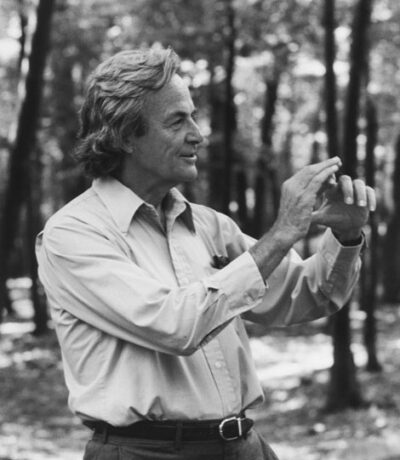 Richard FeynmanAmerican theoretical physicist (1918–1988)
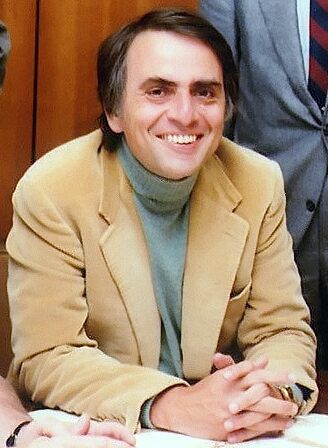 Carl SaganAmerican astrophysicist, cosmologist and author (1934–1996)
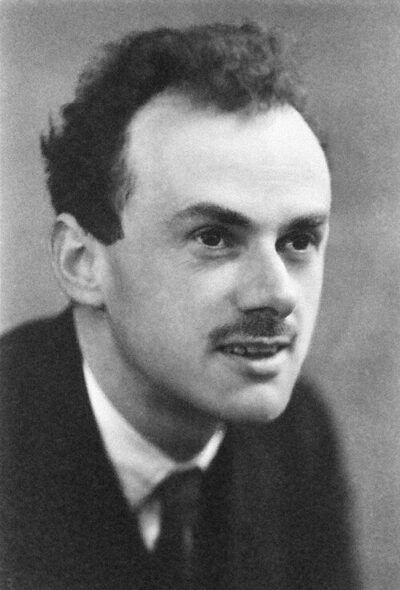 Paul Dirac (1948–)British theoretical physicist (1902–1984)
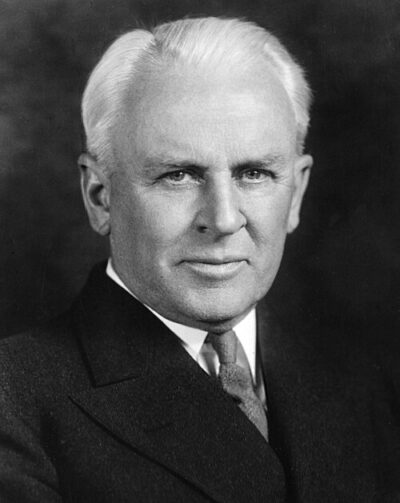 Robert Andrews MillikanAmerican physicist (1868–1953)
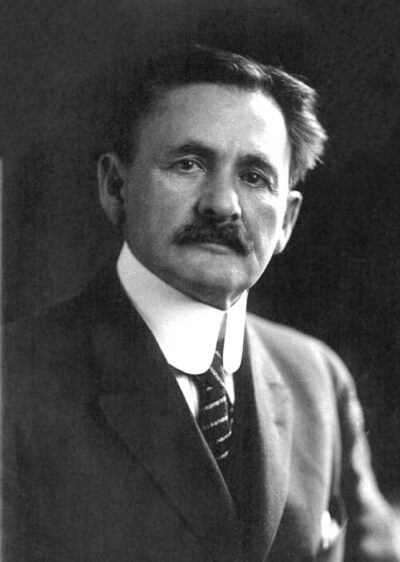 Albert Abraham MichelsonAmerican physicist (1852–1931)
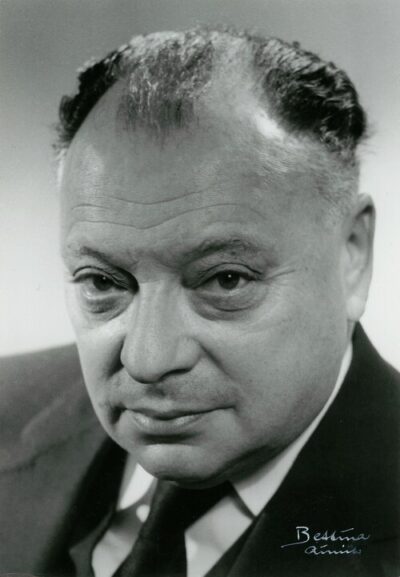 Wolfgang Pauliphysicist, Nobel prize winner (1900–1958)
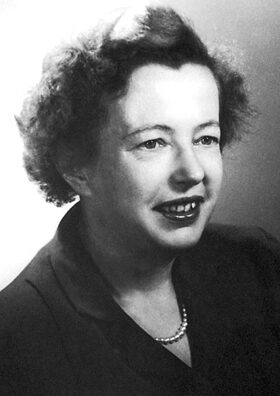 Maria Göppert MayerGerman-born American theoretical physicist (1906-1972)
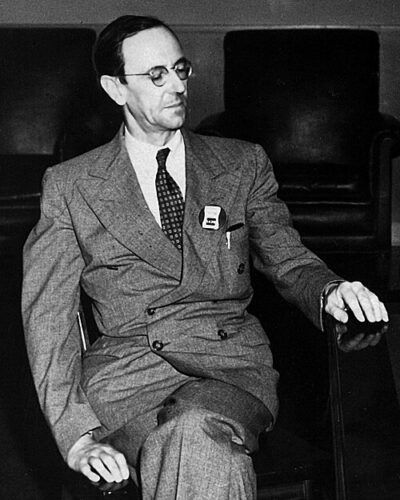 James ChadwickEnglish physicist (1891-1974), who discovered the neutron in 1932
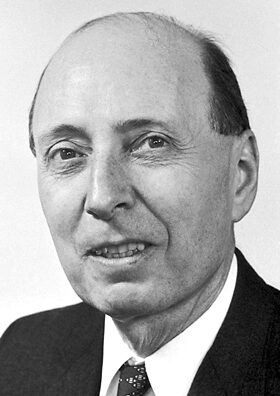 Eugene Paul WignerHungarian-American physicist and mathematician (1902–1995)
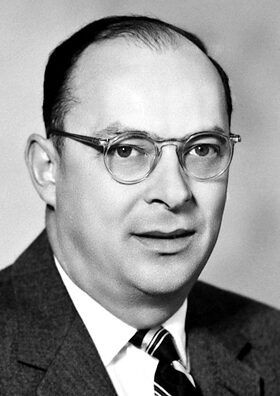 John Bardeen (1938–)American physicist and engineer (1908–1991)
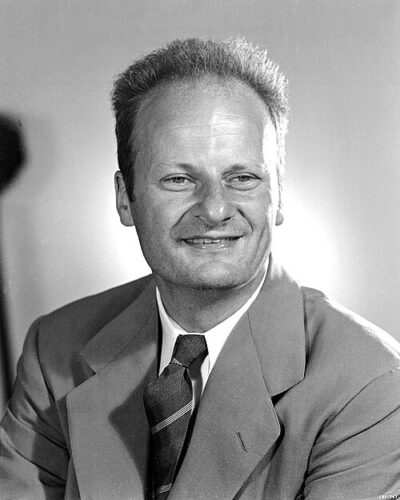 Hans Bethe (1935–)German-American nuclear physicist
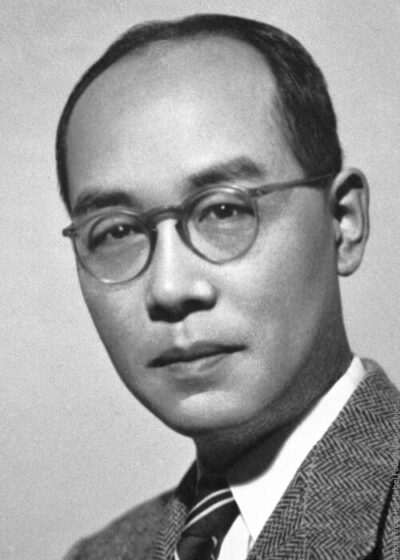 Hideki Yukawa (1949–)Japanese theoretical physicist (1907-1981)
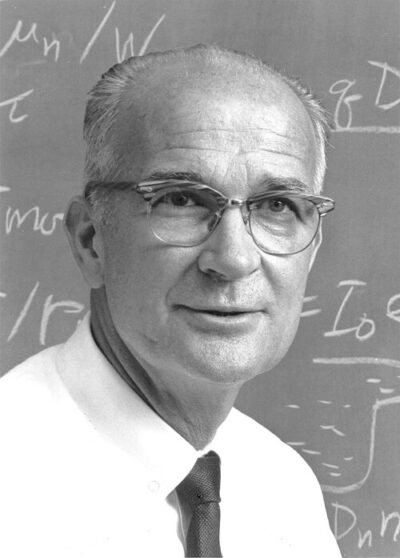 William ShockleyAmerican physicist and inventor (1910–1989)
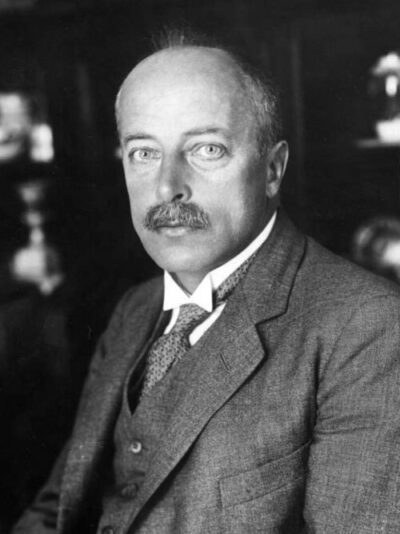 Max von LaueGerman physicist, Nobel laureate and anti-Nazi (1879–1960)
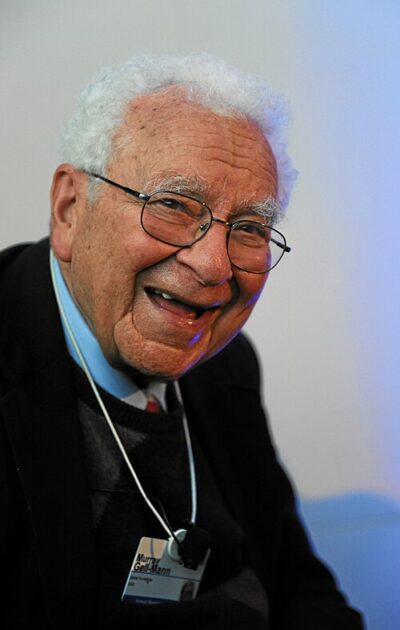 Murray Gell-Mann (1959–)American physicist (1929–2019)
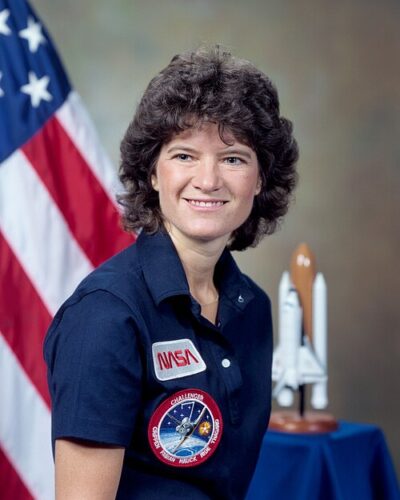 Sally RideAmerican astronaut and physicist (1951–2012)
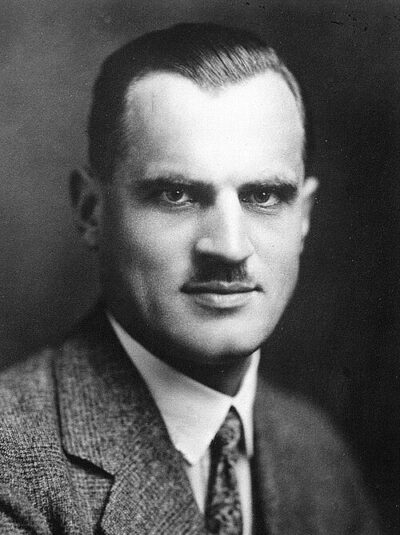 Arthur Holly ComptonAmerican physicist (1892–1962)
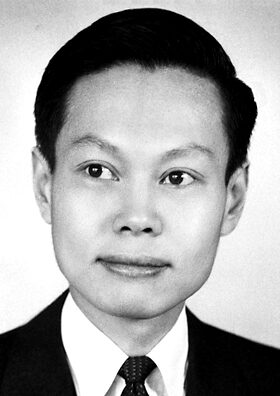 Chen-ning YangChinese physicist (1922–2025)
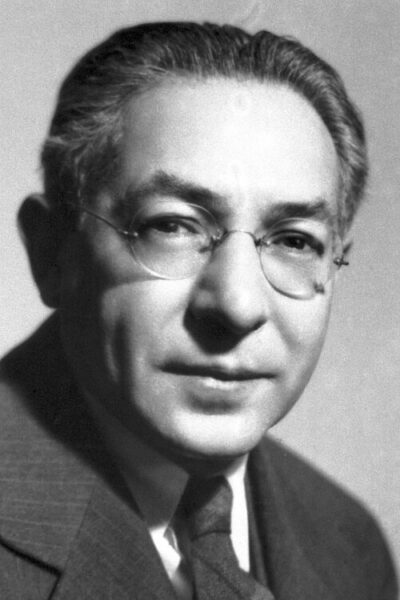 Isidor Isaac RabiAmerican physicist (1898–1988)
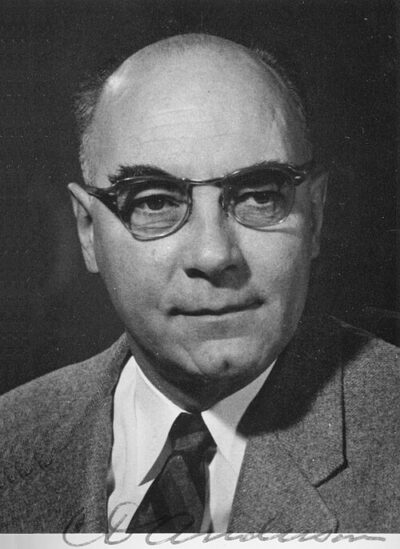 Carl David AndersonAmerican physicist
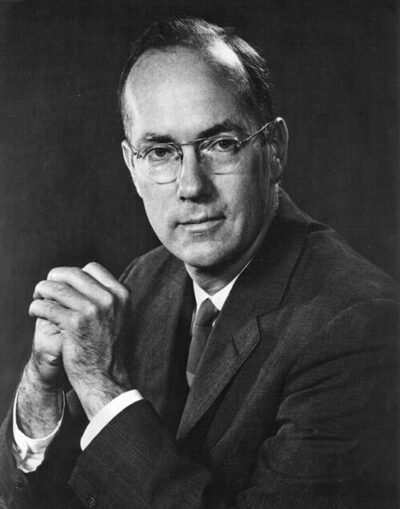 Charles Hard Townes20th-century American physicist
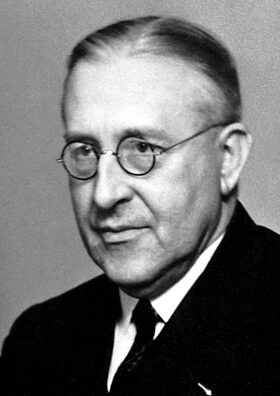 Victor Francis HessAustrian physicist and Nobel prize laureate (1883-1964)
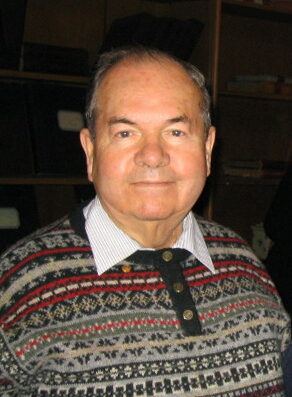 Alexei Abrikosov (1992–)Soviet, Russian and American theoretical physicist
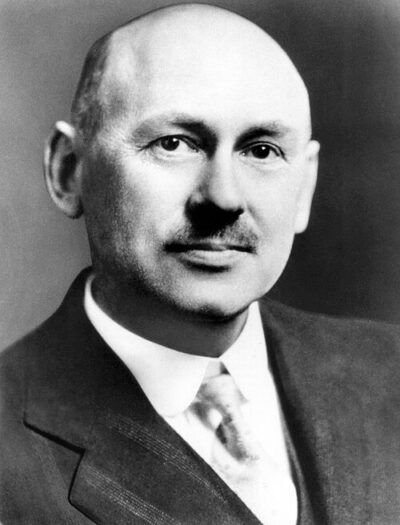 Robert H. GoddardAmerican physicist
and 130 more
