Hardy–Weinberg principle
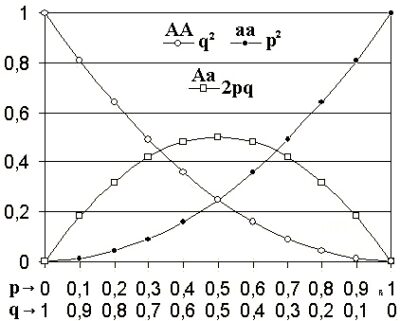
Hardy–Weinberg principle is a principle that allele and genotype frequencies in a population will remain constant over generations in the absence of other evolutionary influences.
All 3 facts, and where they come from
Facts
3 facts · 0 confirmed by two sources · 0 cited · 3 from one source
Where this comes from
Papalocal keeps its own record. It started from these sources; what each one said is kept here as it was copied, so a change on their side never changes this page by itself. Tap one to read its version.
What Wikidata says · copied November 17, 2026 · revision 2536814375
- Described as
- principle that allele and genotype frequencies in a population will remain constant over generations in the absence of other evolutionary influences
- Other names
- Hardy–Weinberg equilibrium, Hardy–Weinberg model, Hardy–Weinberg theorem, Hardy–Weinberg law, Hardy-Weinberg principle
- What it is
- universal law
- Named after
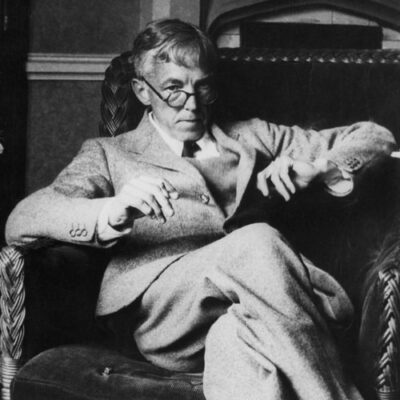
- G.H. Hardy; Wilhelm Weinberg
- Wikipedias with a page
- 45
Wikidata item Q49974 (wikidata.org/wiki/Q49974), public domain (CC0). Copied 2026-11-17.
What Wikipedia says · copied November 17, 2026 · revision 1367629467
In population genetics, the Hardy–Weinberg principle, also known as the Hardy–Weinberg equilibrium, model, theorem, or law, states that allele and genotype frequencies in a population will remain constant from generation to generation in the absence of other evolutionary influences. These influences include genetic drift, mate choice, assortative mating, natural selection, sexual selection, mutation, gene flow, meiotic drive, genetic hitchhiking, population bottleneck, founder effect, inbreeding, and outbreeding depression.
From the Wikipedia article “Hardy–Weinberg principle” (en.wikipedia.org/wiki/Hardy–Weinberg_principle), by its contributors, under CC BY-SA 4.0 (creativecommons.org/licenses/by-sa/4.0/). Copied 2026-11-17; not changed.
Confirmed Two sources agree. Cited One source, and it names where it got it. One source One source, without a reference of its own. Sources disagree The sources disagree. We show the best-supported value and keep theirs below.
Picture: Barbirossa, via Wikimedia Commons · CC BY-SA 3.0