
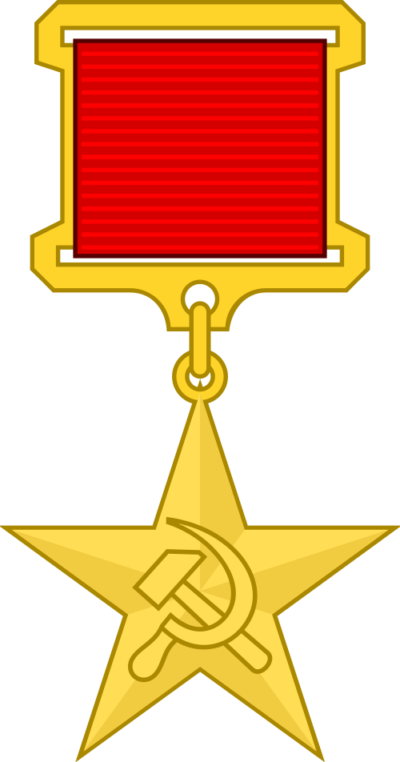
Hero of Socialist Labour
Hero of Socialist Labour is a title of honour of the Soviet Union (1938–1991), source of inspiration for similar titles in other Warsaw Pact countries.
- Country
- Soviet Union
- Created
- December 27, 1938
All 7 facts, and where they come from
Facts
7 facts · 0 confirmed by two sources · 0 cited · 7 from one source
Where this comes from
Papalocal keeps its own record. It started from these sources; what each one said is kept here as it was copied, so a change on their side never changes this page by itself. Tap one to read its version.
What Wikidata says · copied November 17, 2026 · revision 2568152836
- Described as
- title of honour of the Soviet Union (1938–1991), source of inspiration for similar titles in other Warsaw Pact countries
- Other names
- Medal "Serp i Molot" (Geroi Sotsialisticheskogo Truda), Medal Serp i Molot, Medal Sickle and Hammer, Geroi Sotsialisticheskogo Truda, Sickle and Hammer Medal
- What it is
- title of honor; highest honors of the USSR; Soviet state award
- Comes after
- Hero of Labour
- Created
- December 27, 1938
- Ended
- 1991
- Country
- Soviet Union
- Wikipedias with a page
- 58
Wikidata item Q208167 (wikidata.org/wiki/Q208167), public domain (CC0). Copied 2026-11-17.
What Wikipedia says · copied November 17, 2026 · revision 1386186830
The Hero of Socialist Labour (Russian: Герой Социалистического Труда, romanized: Geroy Sotsialisticheskogo Truda) was an honorific title in the Soviet Union and other Warsaw Pact countries from 1938 to 1991. It represented the highest degree of distinction in the USSR and was awarded for exceptional achievements in Soviet industry and culture. It provided a similar status to the title of Hero of the Soviet Union, which was awarded for heroic deeds, but differed in that it was not awarded to foreign citizens.
From the Wikipedia article “Hero of Socialist Labour” (en.wikipedia.org/wiki/Hero_of_Socialist_Labour), by its contributors, under CC BY-SA 4.0 (creativecommons.org/licenses/by-sa/4.0/). Copied 2026-11-17; not changed.
Confirmed Two sources agree. Cited One source, and it names where it got it. One source One source, without a reference of its own. Sources disagree The sources disagree. We show the best-supported value and keep theirs below.
Picture: Leonid, via Wikimedia Commons · Public domain
People connected 194
Won it 194
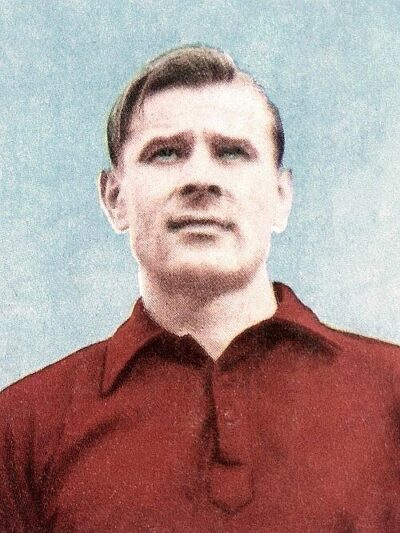 Lev Yashin (1990)Player for U.S.S.R (1929–1990)
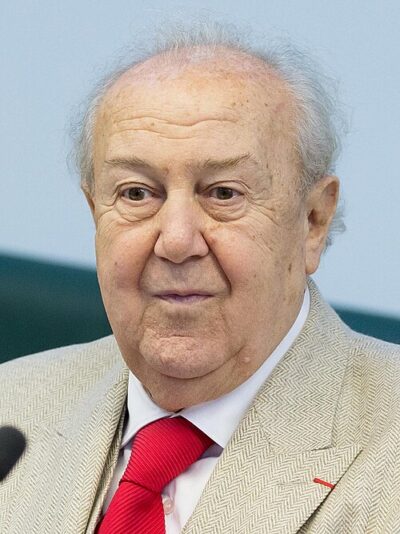 Zurab Tsereteli (1990)Georgian painter, sculptor, and architect (1934–2025)
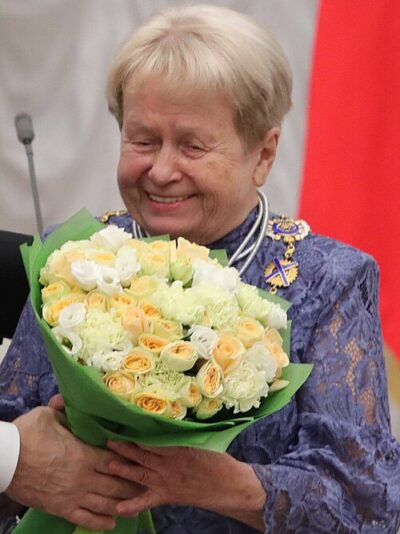 Aleksandra Pakhmutova (1990)Soviet and Russian composer
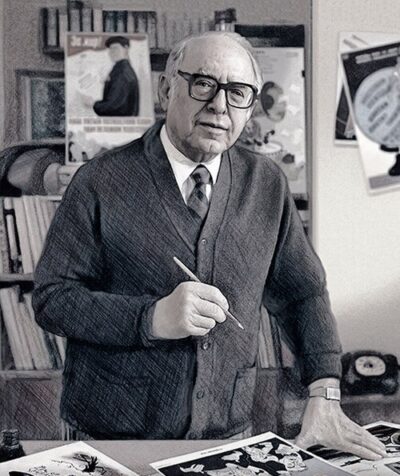 Boris Yefimov (1990)Soviet and Russian political and propaganda artist (1900-2008)
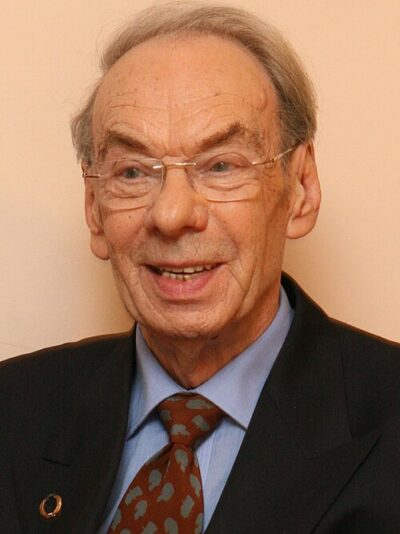 Aleksey Batalov (1989)Soviet and Russian actor, file director and screenwriter (1928-2017)
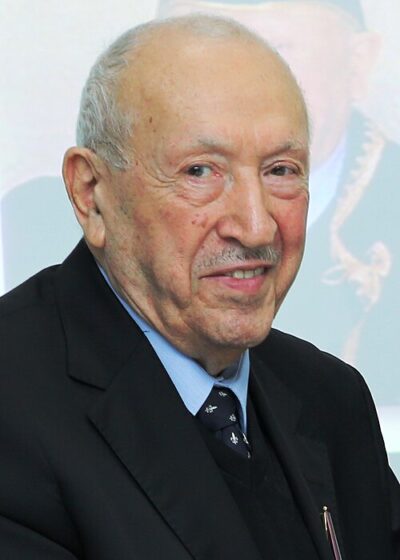 Tahir Salahov (1989)Soviet, Azerbaijani and Russian artist (1928-2021)
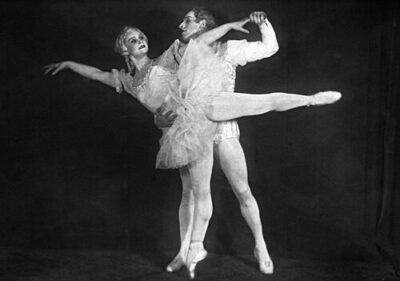 Marina Semyonova (1988)Soviet ballet dancer
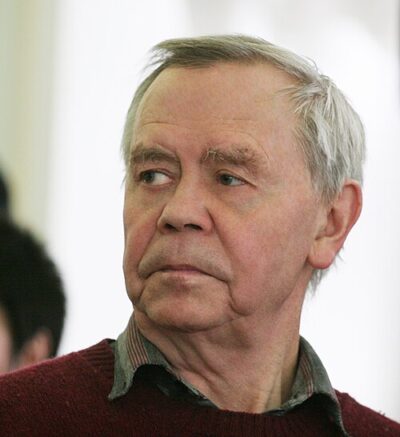 Valentin Rasputin (1987)Soviet and Russian writer (1937-2015)
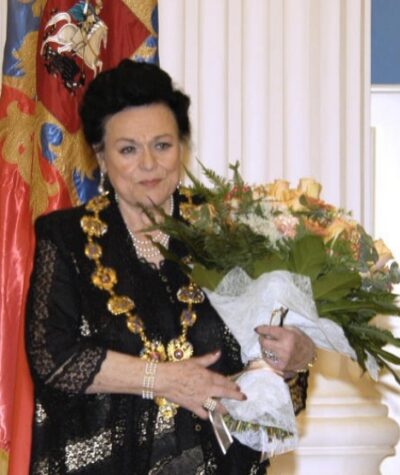 Lyudmila Zykina (1987)Russian folk singer (1929-2009)
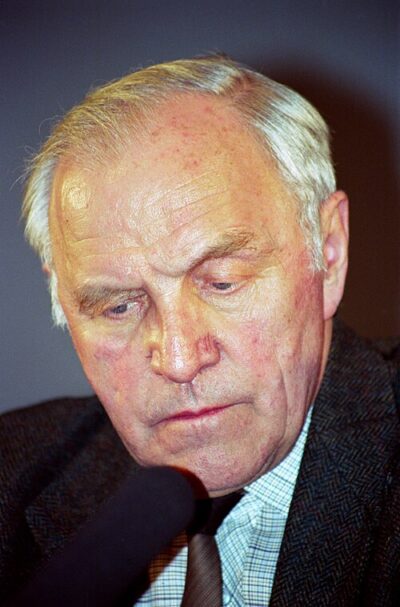 Mikhail Ulyanov (1986)Soviet and Russian actor, theatre and film director (1927-2007)
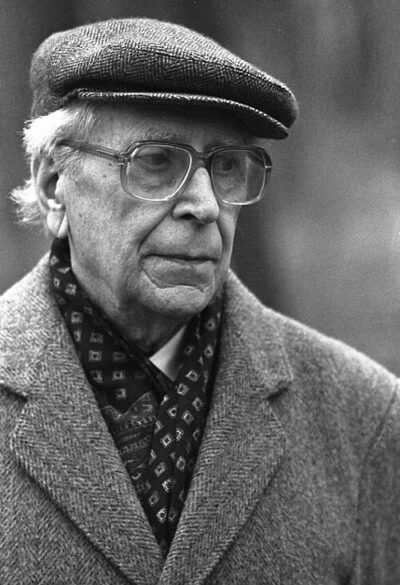 Dmitry Likhachov (1986)Russian philologist (1906–1999)
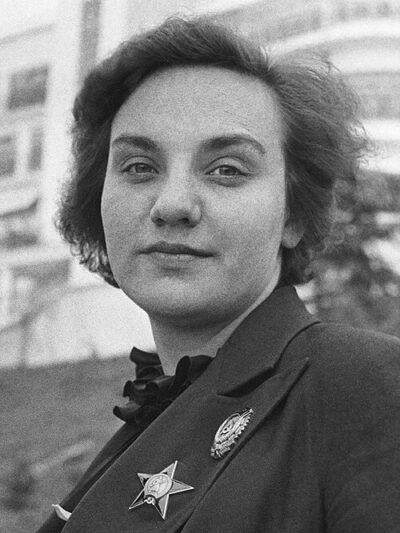 Valentina Grizodubova (1986)Soviet aviator (1909-1993)
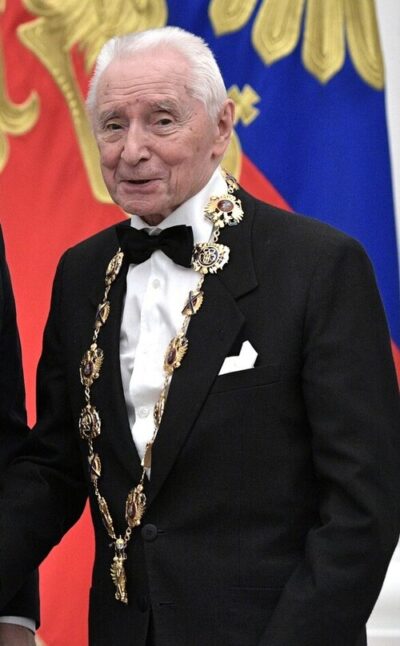 Yury Grigorovich (1986)Russian dancer and choreographer (1927—2025)
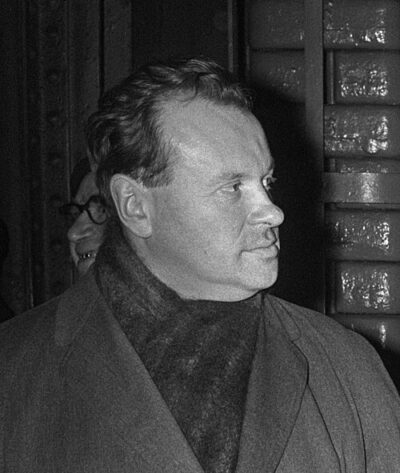 Yevgeny Svetlanov (1986)Russian conductor, composer, and pianist (1928-2002)
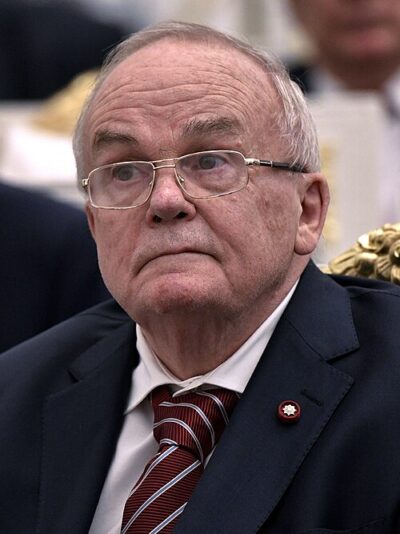 Evgeny Velikhov (1985)Soviet physicist (1935–2024)
 Pavel Kadochnikov (1985)Soviet actor, film director and screenwriter (1915-1988)
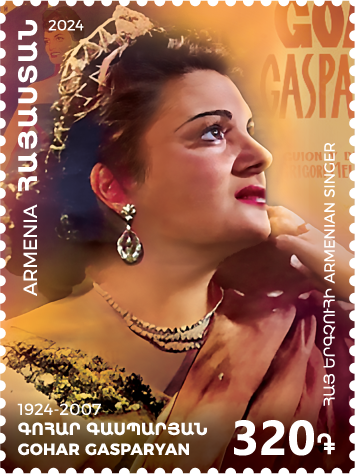 Gohar Gasparyan (1984)Armenian opera singer (1924-2007)
- ZZulfiya (1984)Uzbek poet (1915-1996)
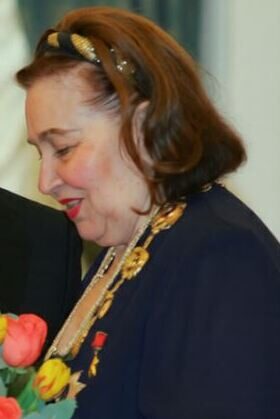 Irina Arkhipova (1984)Russian opera singer (1925-2010)
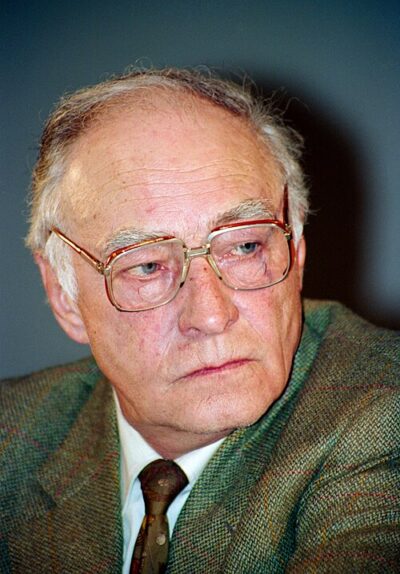 Vyacheslav Tikhonov (1982)Soviet and Russian actor (1928–2009)
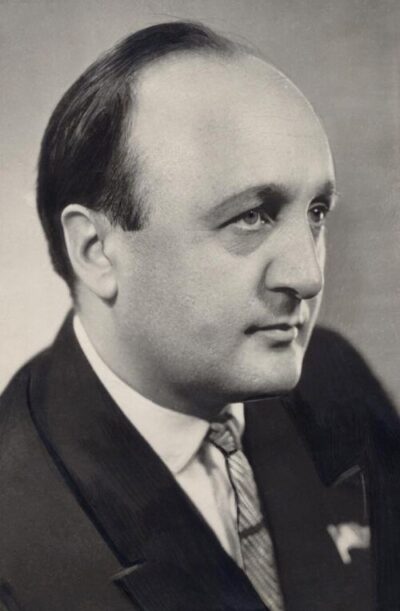 Fikret Amirov (1982)Azerbaijani Soviet composer (1922–1984)
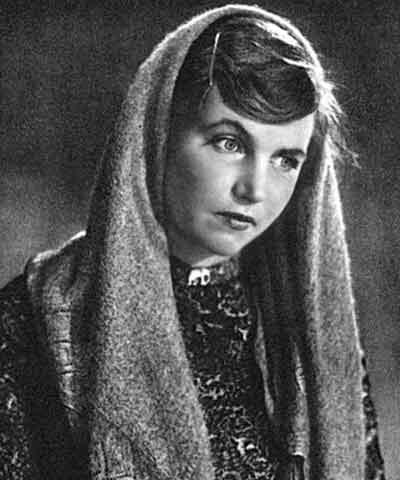 Tamara Makarova (1982)Soviet film actress, drama teacher (1907–1997)
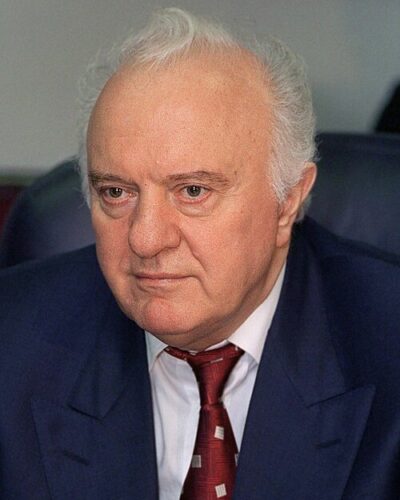 Eduard Shevardnadze (1981)Soviet and Georgian politician and diplomat, Soviet foreign minister and second President of Georgia (1995–2003)
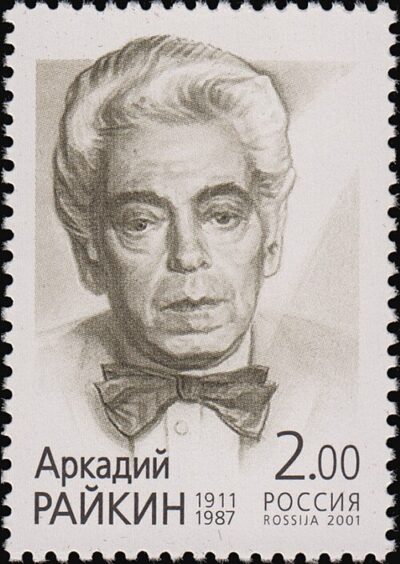 Arkady Raikin (1981)Soviet actor (1911-1987)
and 170 more
