
Heythrop College, University of London
The Heythrop College, University of London is a specialist philosophy and theology college of the University of London. It was founded in 1614.
- Located in
- Royal Borough of Kensington and Chelsea
- Country
- United Kingdom
- Founded
- 1614
- What it is
- collegiate university
All 8 facts, and where they come from
Facts
8 facts · 0 confirmed by two sources · 1 cited · 6 from one source · 1 where the sources disagree
What’s different
- Founded: we show 1614 (Sources disagree). Wikidata also lists 1971
Where this comes from
Papalocal keeps its own record. It started from these sources; what each one said is kept here as it was copied, so a change on their side never changes this page by itself. Tap one to read its version.
What Wikidata says · copied November 17, 2026 · revision 2511593806
- Described as
- specialist philosophy and theology college of the University of London
- What it is
- collegiate university
- Founded
- 1971; 1614 · 1 reference
- Ended
- 2018 · 1 reference
- Headquarters
- London
- Located in
- Royal Borough of Kensington and Chelsea
- Country
- United Kingdom · 1 reference
- Part of
- University of London
- Official website
- http://www.heythrop.ac.uk
- Wikipedias with a page
- 9
Wikidata item Q641609 (wikidata.org/wiki/Q641609), public domain (CC0). Copied 2026-11-17.
What Wikipedia says · copied November 17, 2026 · revision 1368357216
Heythrop College, University of London, was a constituent college of the University of London between 1971 and 2018, last located in Kensington Square, London. It comprised the university's specialist faculties of philosophy and theology while also having strengths in the social sciences. It offered undergraduate and postgraduate degree courses, and had five specialist institutes and centres to promote research.
The college had a close affiliation with the Roman Catholic Church, through the British Province of the Society of Jesus (Jesuits) whose scholarly tradition went back to a 1614 exiled foundation in Leuven, Belgium, and whose extensive library collections it housed. While maintaining its denominational links and ethos the college welcomed all faiths and perspectives, women as well as men.
Through Heythrop's close links with the Jesuits, it also served as the London centre for Fordham University, a Jesuit university in the United States. Other external groups, including A Call To Action (ACTA, British Catholic Association), also used meeting facilities on the site.
Following unsuccessful negotiations with St Mary's University, Twickenham, another British university, and amid some controversy, in June 2015 the college's governing body decided that the college would cease to be an independent constituent of the University of London in 2018. It formally terminated operations and left the University of London on 31 January 2019. It was the first significant UK higher education institution to completely close permanently (not including mergers and name changes) since the dissolution of the original University of Northampton in 1265.
From the Wikipedia article “Heythrop College, University of London” (en.wikipedia.org/wiki/Heythrop_College,_University_of_London), by its contributors, under CC BY-SA 4.0 (creativecommons.org/licenses/by-sa/4.0/). Copied 2026-11-17; not changed.
Confirmed Two sources agree. Cited One source, and it names where it got it. One source One source, without a reference of its own. Sources disagree The sources disagree. We show the best-supported value and keep theirs below.
People connected 4
Studied here
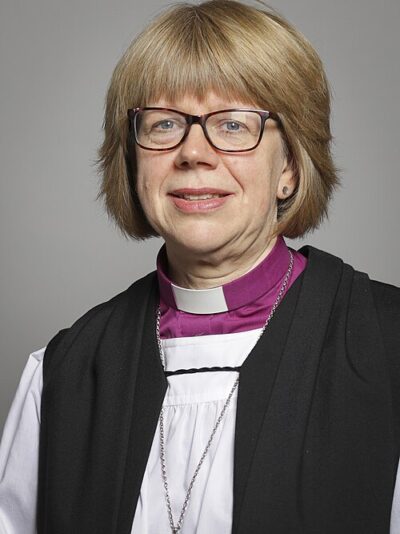 Sarah Mullally106th archbishop of Canterbury
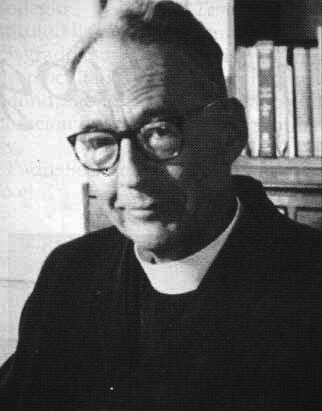 Frederick CoplestonEnglish Jesuit priest and philosopher (1907–1994)
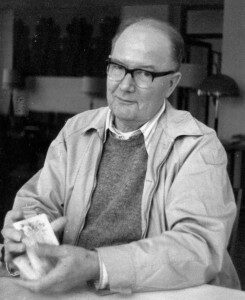 Bernard LonerganCanadian philosopher and theologian (1904–1984)
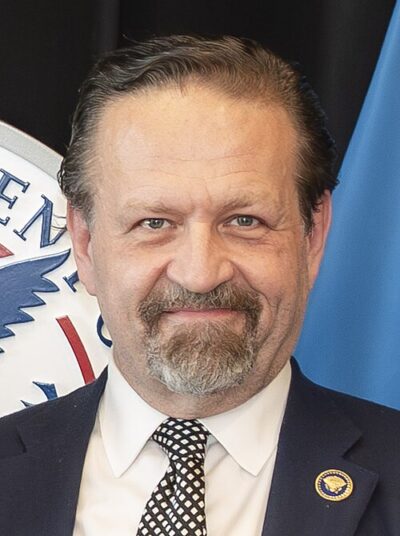 Sebastian GorkaBritish-born Hungarian American media personality, military and intelligence analyst and former government (born 1970)
