Hobomok: A Tale of Early Times
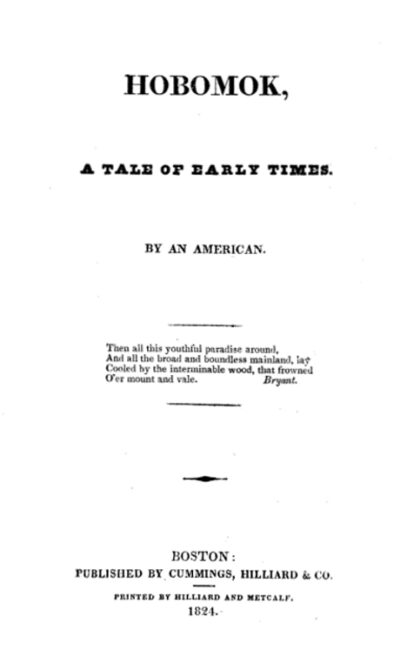
Hobomok: A Tale of Early Times is a novel by Lydia Maria Child.
- Written by
- Lydia Maria Child
- Country of origin
- United States
All 4 facts, and where they come from
Facts
4 facts · 0 confirmed by two sources · 0 cited · 4 from one source
Where this comes from
Papalocal keeps its own record. It started from these sources; what each one said is kept here as it was copied, so a change on their side never changes this page by itself. Tap one to read its version.
What Wikidata says · copied November 17, 2026 · revision 2509484039
- Described as
- novel by Lydia Maria Child
- What it is
- literary work
- Written by
- Lydia Maria Child
- Language
- English
- Country of origin
- United States
- Wikipedias with a page
- 3
Wikidata item Q14957220 (wikidata.org/wiki/Q14957220), public domain (CC0). Copied 2026-11-17.
What Wikipedia says · copied November 17, 2026 · revision 1361142339
Hobomok, A Tale of Early Times. is a novel by the nineteenth-century American author and human rights campaigner Lydia Maria Child. Her first novel, published in 1824 under the pseudonym "An American", was inspired by John G. Palfrey's article in the North American Review. The novel is set during the late 1620s and 1630s. Among other themes, it relates the marriage of a recently immigrated white American woman, Mary Conant, to the eponymous Native American and her attempt to raise their son in white society.
The subject of miscegenation being taboo, the book initially fared poorly. An early review in the North American Review called the story "unnatural" and "revolting to every feeling of delicacy". However, before too long (and partly due to Child's intervention in Boston literary circles), many prominent Bostonians celebrated the novel. Child was later active as an abolitionist, feminist and supporter of Native Americans.
From the Wikipedia article “Hobomok” (en.wikipedia.org/wiki/Hobomok), by its contributors, under CC BY-SA 4.0 (creativecommons.org/licenses/by-sa/4.0/). Copied 2026-11-17; not changed.
Confirmed Two sources agree. Cited One source, and it names where it got it. One source One source, without a reference of its own. Sources disagree The sources disagree. We show the best-supported value and keep theirs below.
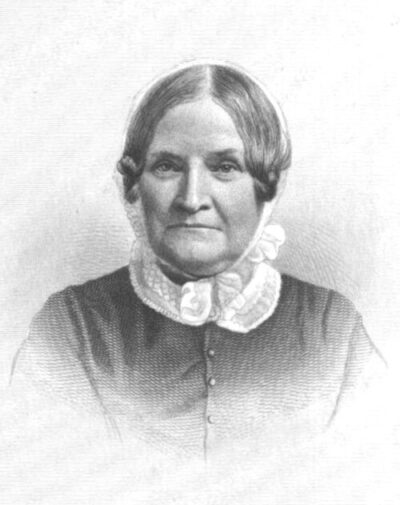
Picture: Lydia Maria Child, via Wikimedia Commons · Public domain