
IEEE Koji Kobayashi Computers and Communications Award
IEEE Koji Kobayashi Computers and Communications Award is a Technical award. It was created in 1986. It is given by the Institute of Electrical and Electronics Engineers.
- Created
- 1986
All 6 facts, and where they come from
Facts
6 facts · 0 confirmed by two sources · 0 cited · 6 from one source
Where this comes from
Papalocal keeps its own record. It started from these sources; what each one said is kept here as it was copied, so a change on their side never changes this page by itself. Tap one to read its version.
What Wikidata says · copied November 17, 2026 · revision 2489692155
- Described as
- Technical award
- What it is
- technical field award; science award
- Created
- 1986
- Given by
- Institute of Electrical and Electronics Engineers · 1 reference
- Named after
- Kōji Kobayashi
- Official website
- http://www.ieee.org/about/awards/tfas/kobayashi.html
- Wikipedias with a page
- 5
Wikidata item Q4377107 (wikidata.org/wiki/Q4377107), public domain (CC0). Copied 2026-11-17.
What Wikipedia says · copied November 17, 2026 · revision 1386199328
The IEEE Koji Kobayashi Computers and Communications Award is a Technical Field Award of the IEEE established in 1986. This award has been presented annually since 1988 for outstanding contributions to the integration of computers and communications.
The award is named in honor of Koji Kobayashi, who has been a leading force in advancing the integrated use of computers and communications.
The award may be presented to an individual, multiple recipients or team of up to three people.
Recipients of this award receive a bronze medal, certificate, and honorarium.
The award is sponsored by NEC.
From the Wikipedia article “IEEE Koji Kobayashi Computers and Communications Award” (en.wikipedia.org/wiki/IEEE_Koji_Kobayashi_Computers_and_Communications_Award), by its contributors, under CC BY-SA 4.0 (creativecommons.org/licenses/by-sa/4.0/). Copied 2026-11-17; not changed.
Confirmed Two sources agree. Cited One source, and it names where it got it. One source One source, without a reference of its own. Sources disagree The sources disagree. We show the best-supported value and keep theirs below.
People connected 8
Won it
 Adi Shamir (2000)Israeli cryptographer (born 1952)
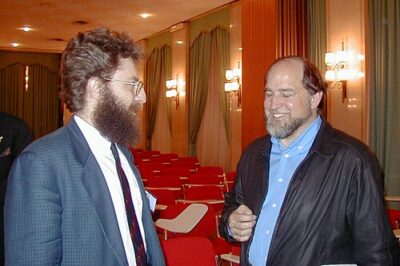 Ron Rivest (2000)American cryptographer
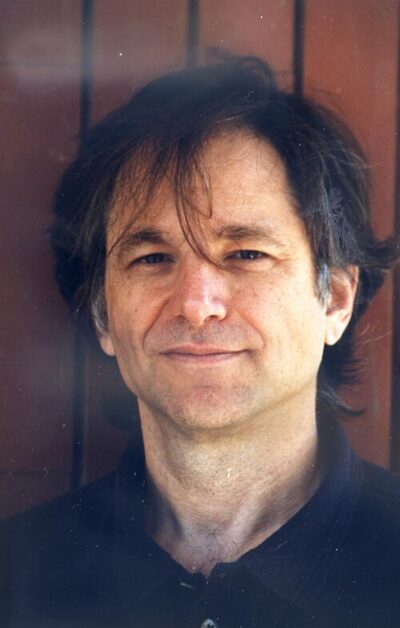 Leonard Adleman (2000)American computer scientist
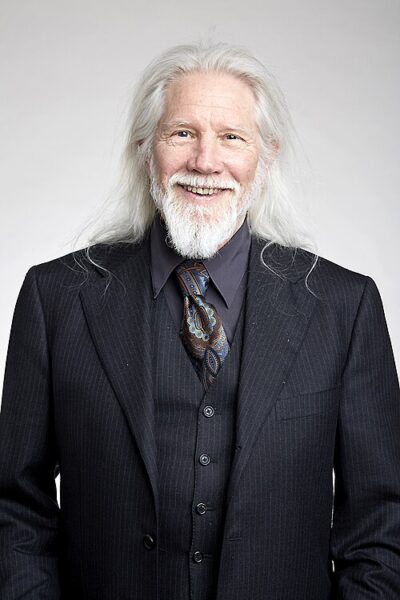 Whitfield Diffie (1999)American cryptographer (born 1944)
 Martin Edward Hellman (1999)American cryptologist (born 1945)
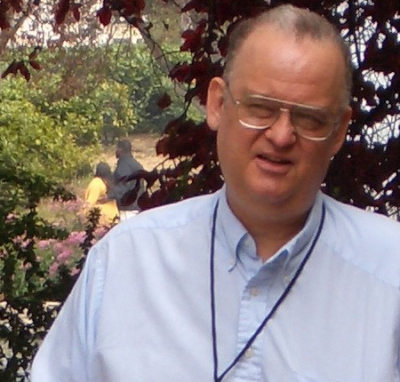 Ralph Merkle (1999)American cryptographer and cryonicist (born 1952)
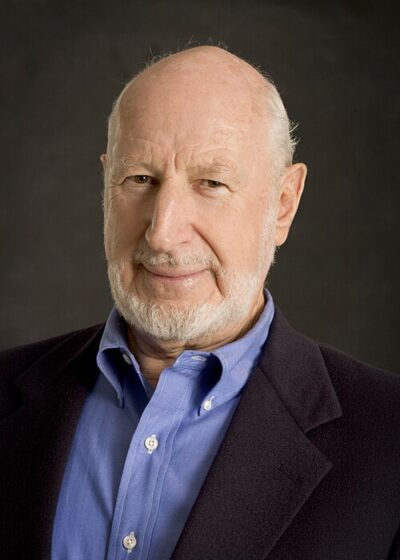 Norman Abramson (1995)American computer scientist, engineer (1932–2020)
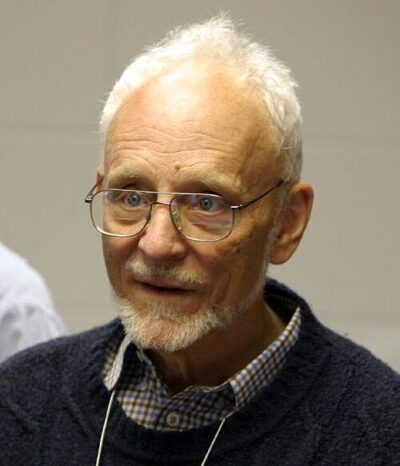 Elwyn Berlekamp (1990)American mathematician (1940-2019)
