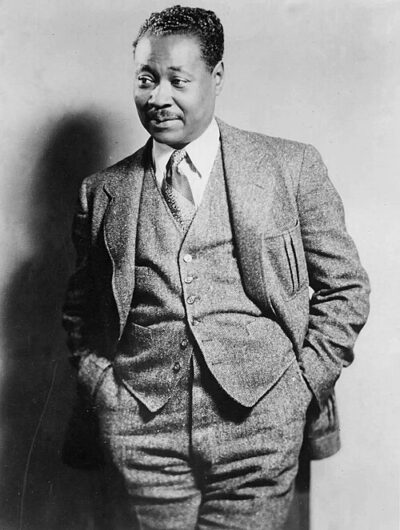
If We Must Die
If We Must Die is a poem by Claude McKay. It came out in 1919.
- Published
- July 1919
- Written by
- Claude McKay
All 4 facts, and where they come from
Facts
4 facts · 0 confirmed by two sources · 0 cited · 4 from one source
Where this comes from
Papalocal keeps its own record. It started from these sources; what each one said is kept here as it was copied, so a change on their side never changes this page by itself. Tap one to read its version.
What Wikidata says · copied November 18, 2026 · revision 2548634142
- Described as
- poem by Claude McKay
- What it is
- literary work
- Written by
- Claude McKay
- Published
- July 1919
- Language
- English
- Wikipedias with a page
- 1
Wikidata item Q39045609 (wikidata.org/wiki/Q39045609), public domain (CC0). Copied 2026-11-18.
What Wikipedia says · copied November 18, 2026 · revision 1386271097
"If We Must Die" is a poem by Jamaican-American writer Claude McKay (1890–1948) published in the July 1919 issue of The Liberator magazine. McKay wrote the poem in response to mob attacks by white Americans upon African-American communities during the Red Summer. Although the poem does not specifically reference any group of people, it is reflecting the lynching nightmare black people were experiencing. It is considered one of McKay's most famous poems and was described by the poet Gwendolyn Brooks as one of the most famous poems of all time. “W. Churchill read it in a speech against the Nazis, and it was found on the body of an American soldier killed in action in 1944.”( J. H.Cone, 2011) It addresses the depth of Black people's despair in the face of white people choosing to stay silent while lynching was still going on in northern riots.
From the Wikipedia article “If We Must Die” (en.wikipedia.org/wiki/If_We_Must_Die), by its contributors, under CC BY-SA 4.0 (creativecommons.org/licenses/by-sa/4.0/). Copied 2026-11-18; not changed.
Confirmed Two sources agree. Cited One source, and it names where it got it. One source One source, without a reference of its own. Sources disagree The sources disagree. We show the best-supported value and keep theirs below.