
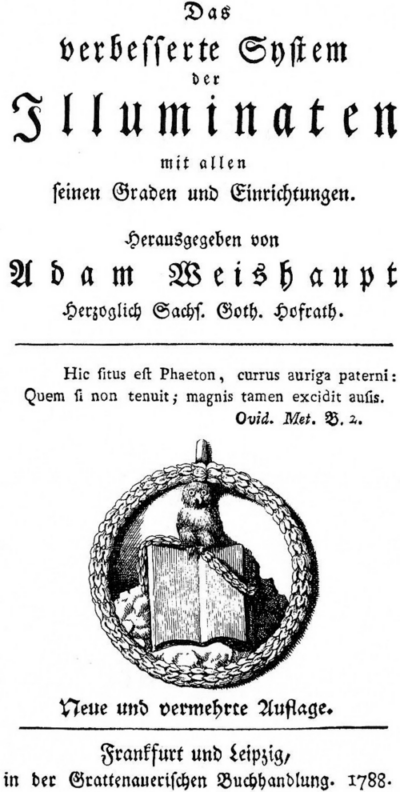
Illuminati
Illuminati is an Enlightenment-era secret society founded on 1st May 1776. It was founded by Adam Weishaupt.
- Founded
- May 1, 1776
- Founded by
- Adam Weishaupt
- Country
- Electorate of Bavaria
All 5 facts, and where they come from
Facts
5 facts · 0 confirmed by two sources · 0 cited · 5 from one source
Where this comes from
Papalocal keeps its own record. It started from these sources; what each one said is kept here as it was copied, so a change on their side never changes this page by itself. Tap one to read its version.
What Wikidata says · copied November 17, 2026 · revision 2565256750
- Described as
- Enlightenment-era secret society founded on 1st May 1776
- Other names
- Bavarian Illuminati
- What it is
- secret society
- Founded
- May 1, 1776 · 1 reference
- Ended
- March 1785
- Founded by
- Adam Weishaupt · 2 references
- Country
- Electorate of Bavaria
- Wikipedias with a page
- 85
Wikidata item Q133957 (wikidata.org/wiki/Q133957), public domain (CC0). Copied 2026-11-17.
What Wikipedia says · copied November 17, 2026 · revision 1385444103
The Illuminati (; plural of Latin illuminatus, 'enlightened') is a name given to several groups, both real and fictitious. Historically, the name usually refers to the Bavarian Illuminati, an Enlightenment-era secret society founded on 1 May 1776 in the Electorate of Bavaria. The society's stated goals were to oppose superstition, obscurantism, religious influence over public life, and abuses of state power by monarchs. "The order of the day", they wrote in their general statutes, "is to put an end to the machinations of the purveyors of injustice, to control them without dominating them."
The Illuminati—along with Freemasonry and other secret societies—were outlawed through edict by Charles Theodore, Elector of Bavaria, with the encouragement of the Catholic Church, in 1784, 1785, 1787 and 1790. During subsequent years, the group was generally vilified by conservative and religious critics, who claimed that the Illuminati continued underground and were responsible for the French Revolution. It attracted literary men such as Johann Wolfgang von Goethe and Johann Gottfried Herder and the reigning Duke of Gotha and of Weimar.
In subsequent use, "Illuminati" has been used when referring to various organisations alleged to be a continuation of the original Bavarian Illuminati (though these links have not been substantiated). These organisations have often been accused of conspiring to control world affairs, by masterminding events and planting agents in governments and corporations, in order to gain political power, influence and to establish a New World Order. Central to some of the more widely known and elaborate conspiracy theories, the Illuminati are depicted as lurking in the shadows and pulling the strings and levers of power. This view of the Illuminati has found its way into popular culture, appearing in dozens of novels, films, television shows, comics, video games and music videos.
From the Wikipedia article “Illuminati” (en.wikipedia.org/wiki/Illuminati), by its contributors, under CC BY-SA 4.0 (creativecommons.org/licenses/by-sa/4.0/). Copied 2026-11-17; not changed.
Confirmed Two sources agree. Cited One source, and it names where it got it. One source One source, without a reference of its own. Sources disagree The sources disagree. We show the best-supported value and keep theirs below.
Picture: Unknown author, via Wikimedia Commons · Public domain
People connected 14
Members
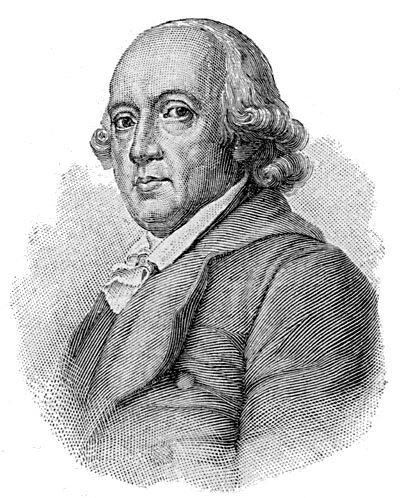 Johann Gottfried HerderGerman philosopher, theologian, poet (1744–1803)
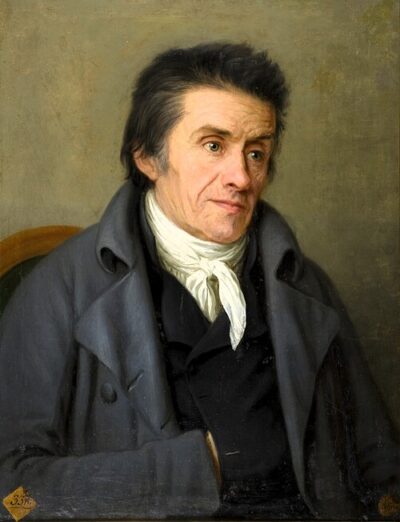 Johann Heinrich Pestalozzi (1782–)Swiss pedagogue and educational reformer (1746-1827)
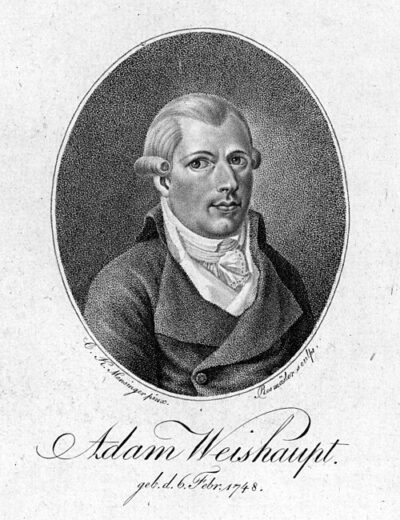 Adam WeishauptGerman philosopher and founder of the Illuminati (1748–1830)
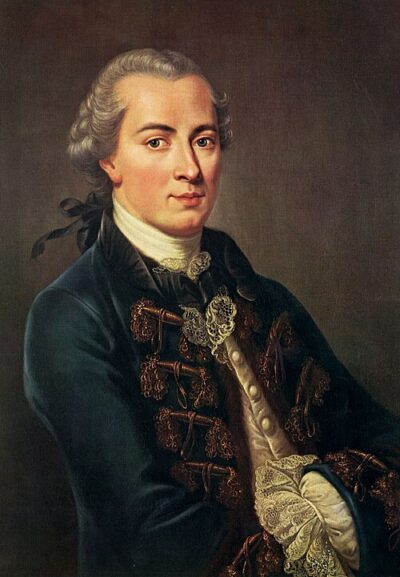 Friedrich Heinrich JacobiGerman philosopher (1743-1819)
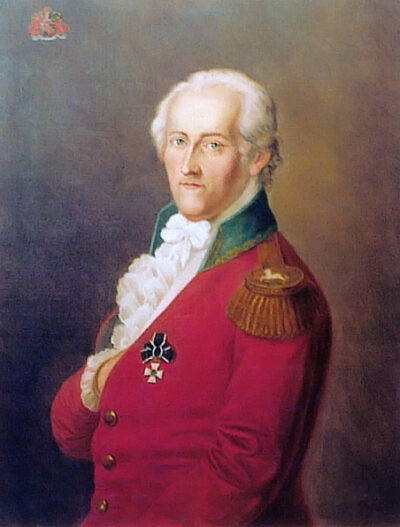 Adolph Freiherr KniggeGerman writer and leading Illuminati member (1752–1796)
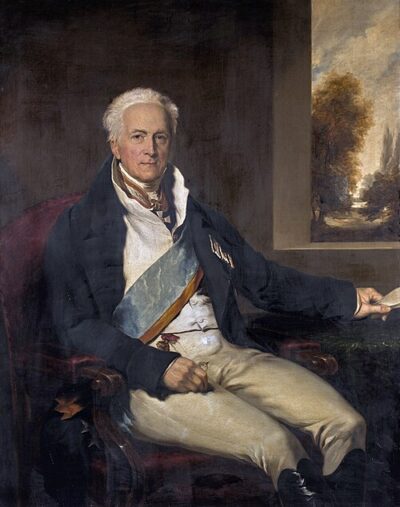 Karl August von HardenbergChancellor of Prussia
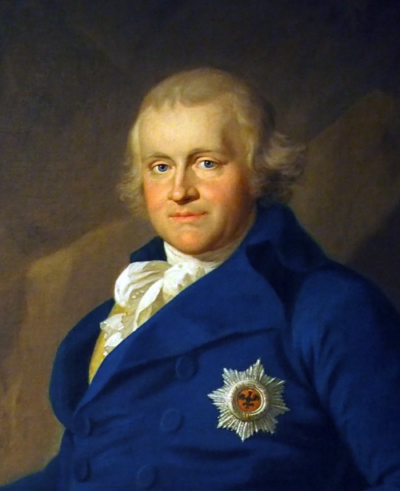 Charles Augustus, Grand Duke of Saxe-Weimar-EisenachGerman noble (1757-1828)
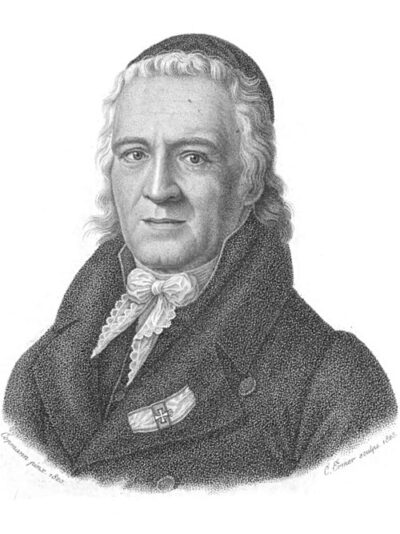 Karl Leonhard Reinhold (1783–)Austrian philosopher
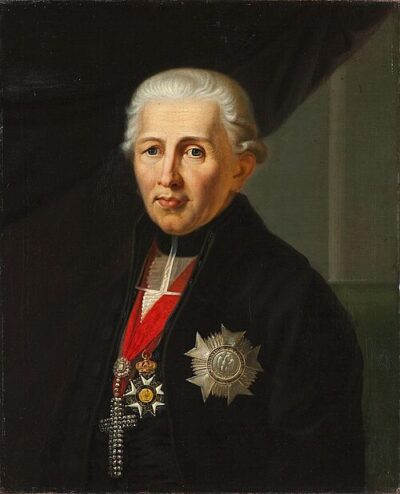 Karl Theodor von DalbergGerman archbishop of Mainz, later of Regensburg (1744-1817)
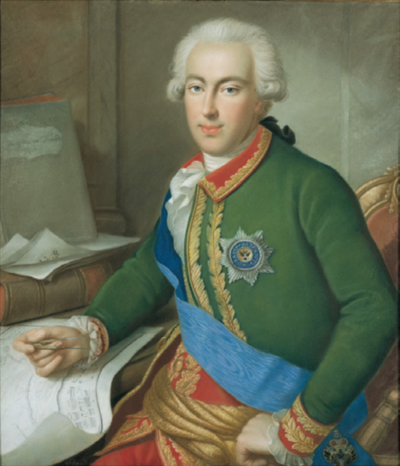 Louis I, Grand Duke of HesseGerman Grand Duke (1753-1830)
 Wenzel Anton, Prince of Kaunitz-RietbergBohemian nobleman (1711-1794)
 August BatschGerman naturalist (1761-1802)
 Christian Gottlob NeefeGerman composer and conductor (1748–1789)
 Christoph Wilhelm HufelandGerman physician (1762–1836)
