Institut national des langues et civilisations orientales
Institut national des langues et civilisations orientales is an academic language institution in France. It was founded in 1669 by Jean-Baptiste Colbert and Joseph Lakanal. Its headquarters are in Paris. 5,548 students study there (2023).
- Country
- France
- Founded
- 1669
- Students
- 5,548 (2023)
- What it is
- university
All 16 facts, and where they come from
Facts
16 facts · 0 confirmed by two sources · 5 cited · 10 from one source · 1 where the sources disagree
What’s different
- Founded: we show 1669 (Sources disagree). Wikidata also lists 1971 and 1795
Where this comes from
Papalocal keeps its own record. It started from these sources; what each one said is kept here as it was copied, so a change on their side never changes this page by itself. Tap one to read its version.
What Wikidata says · copied November 17, 2026 · revision 2569576950
- Described as
- academic language institution in France
- Other names
- INALCO, LanguesO, Langues'O, Langues O, National Institute for Oriental Languages and Civilizations
- What it is
- university; grand établissement (1985–); open-access publisher · 1 reference
- Founded
- 1669; 1971; 1795
- Founded by
- Jean-Baptiste Colbert (1669); Joseph Lakanal (1795)
- Headquarters
- Paris (1873–)
- Country
- France · 1 reference
- Industry
- higher education · 1 reference
- Chair
- René Sieffert (1971–1976) · 1 reference; Henri de La Bastide (1976–1986) · 1 reference
- Field
- oriental studies; oriental languages; domestic studies
- Students
- 8,082 (2007) · 1 reference
- Official website
- http://www.inalco.fr/
- Wikipedias with a page
- 41
Wikidata item Q1430113 (wikidata.org/wiki/Q1430113), public domain (CC0). Copied 2026-11-17.
What Wikipedia says · copied November 17, 2026 · revision 1359514196
The Institut national des langues et civilisations orientales (French pronunciation: [ɛ̃stity nɑsjɔnal de lɑ̃ɡ e sivilizɑsjɔ̃ ɔʁjɑ̃tal]; transl. "National Institute for Oriental Languages and Civilizations"), abbreviated as INALCO, is a French grand établissement with a specializing in the teaching of languages and cultures from the world. Its coverage spans languages of Central Europe, Africa, Asia, America, and Oceania. With 104 languages taught as of 2024, this institution is currently the world's largest provider of language training courses.
It is also informally called "Langues'O" (French: [lɑ̃ɡz‿o]) in French, an abbreviation for Langues orientales.
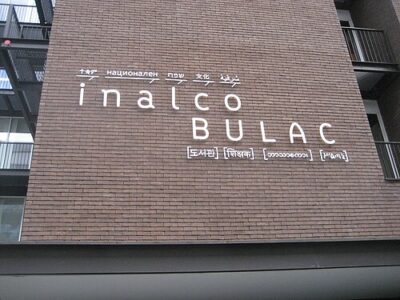
The INALCO logo is made up of the school's acronym, each part of which is translated into languages written in non-Latin characters, corresponding to Inalco's fields of teaching and research.[1]
From the Wikipedia article “Institut national des langues et civilisations orientales” (en.wikipedia.org/wiki/Institut_national_des_langues_et_civilisations_orientales), by its contributors, under CC BY-SA 4.0 (creativecommons.org/licenses/by-sa/4.0/). Copied 2026-11-17; not changed.
Confirmed Two sources agree. Cited One source, and it names where it got it. One source One source, without a reference of its own. Sources disagree The sources disagree. We show the best-supported value and keep theirs below.
Picture: Vysotsky, via Wikimedia Commons · CC BY-SA 4.0
People connected 21
Studied here
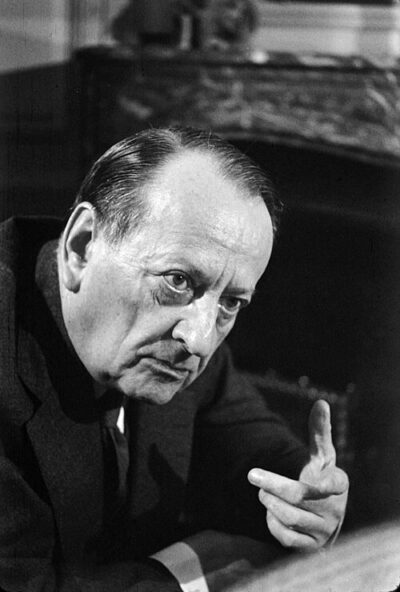 André MalrauxFrench novelist, art theorist, and statesman (1901–1976)
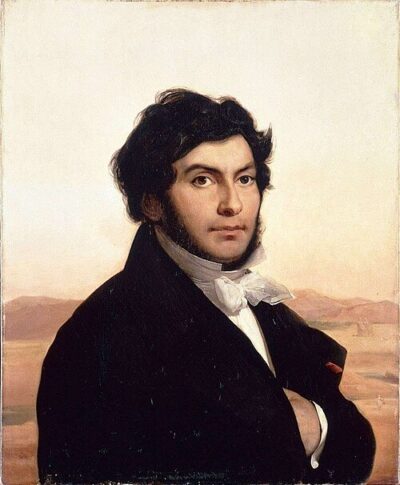 Jean-François Champollion (1808–1810)French classical scholar (1790-1832)
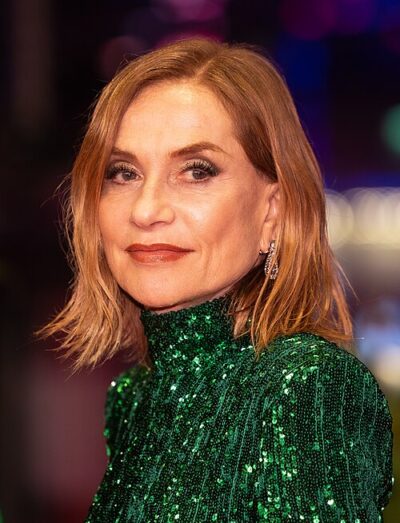 Isabelle HuppertFrench actress (born 1953)
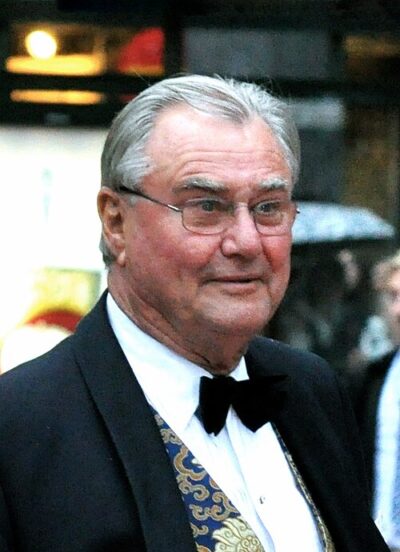 Henrik, Prince Consort of DenmarkPrince consort of Denmark from 1972 to 2018
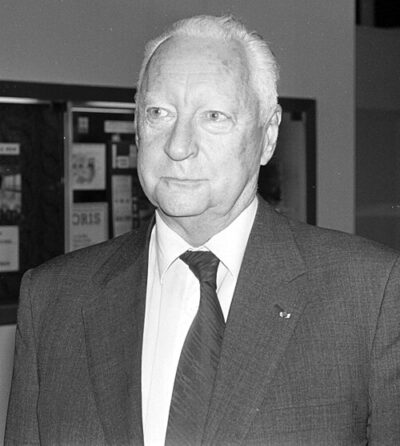 Pierre Messmer83rd Prime Minister of France (1916-2007)
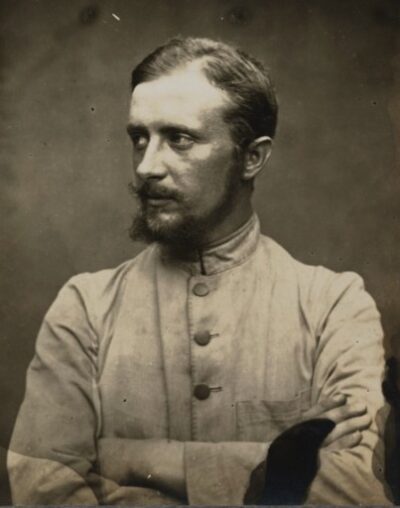 Paul PelliotFrench sinologist (1878-1945)
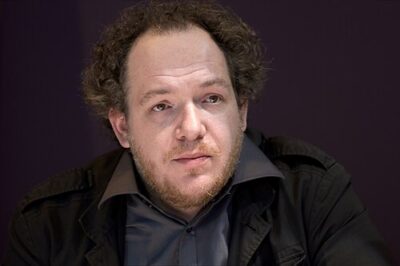 Mathias ÉnardFrench writer, translator, and university teacher (born 1972)
- IIssei SagawaJapanese author, murderer (1949-2022)
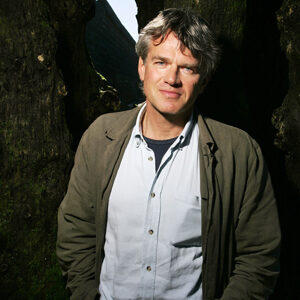 Olivier WeberFrench writer
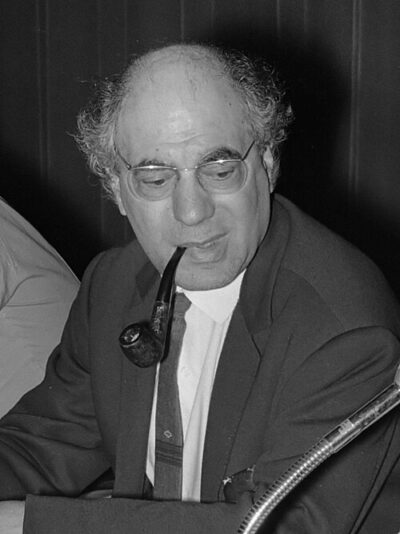 Maxime RodinsonFrench historian, sociologist and orientalist (1915–2004)
 Jean-Pierre Abel-RémusatFrench sinologist (1788-1832)
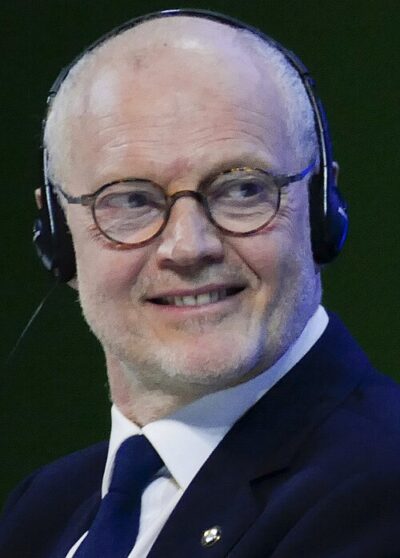 Serge TelleFrench civil servant, Minister of State of Monaco from 2016 to 2020
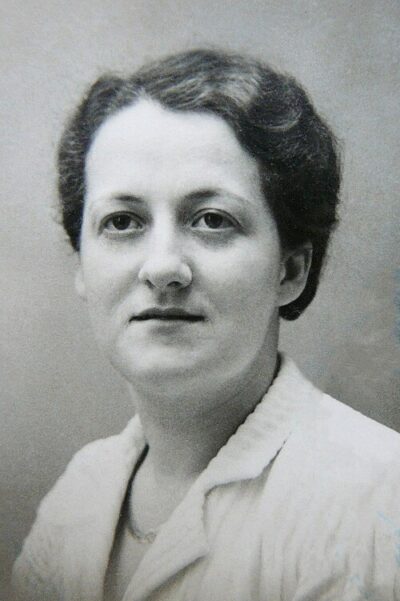 Germaine TillionFrench anthropologist (1907 - 2008)
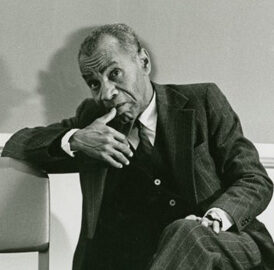 Léon DamasFrench poet and politician (1912–1978)
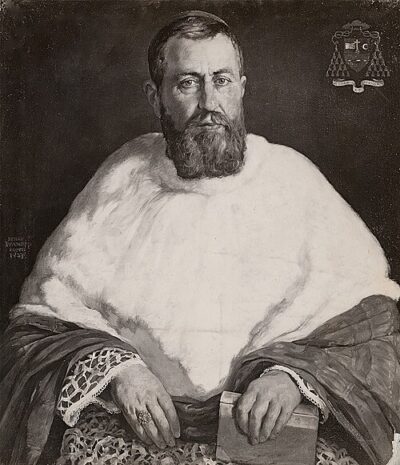 Eugène TisserantFrench cardinal (1884–1972)
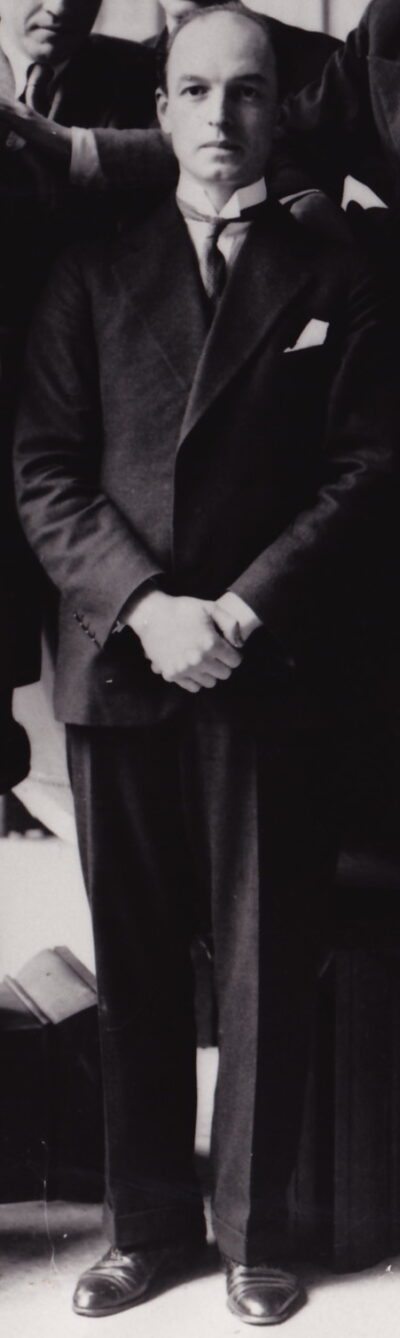 Marcel GriauleFrench anthropologist (1898-1956)
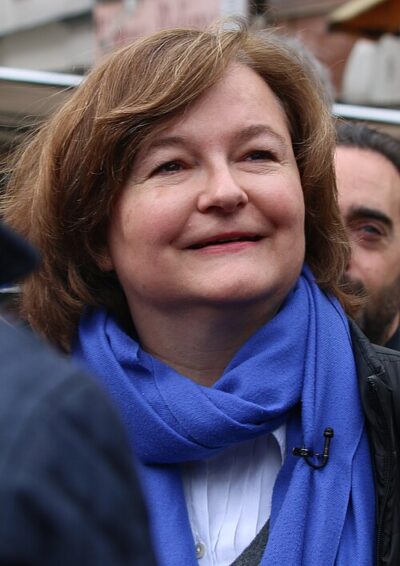 Nathalie LoiseauFrench official and politician
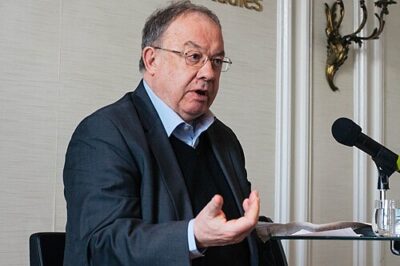 Olivier RoyFrench political scientist
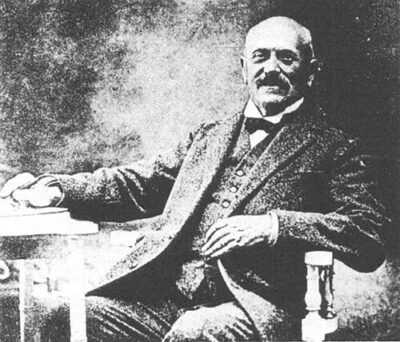 Georges Vacher de LapougeFrench anthropologist (1854–1936)
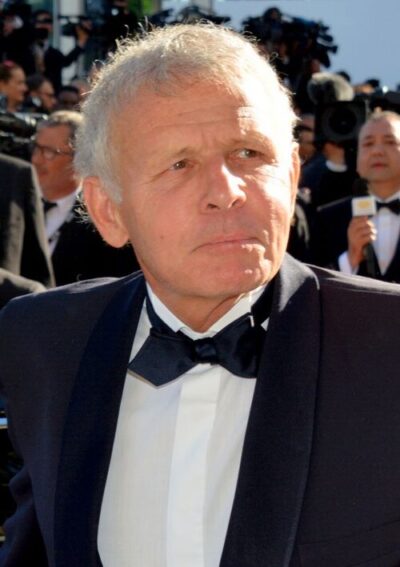 Patrick Poivre d'ArvorFrench writer