
intellectual dark web
Intellectual dark web is a loosely defined group of public personalities who oppose progressive identity politics in the media and academia. It stands for conservatism and neoconservatism.
- Country
- United States
All 6 facts, and where they come from
Facts
6 facts · 0 confirmed by two sources · 0 cited · 6 from one source
Where this comes from
Papalocal keeps its own record. It started from these sources; what each one said is kept here as it was copied, so a change on their side never changes this page by itself. Tap one to read its version.
What Wikidata says · copied November 16, 2026 · revision 2477059435
- Described as
- loosely defined group of public personalities who oppose progressive identity politics in the media and academia
- Other names
- IDW
- What it is
- neologism; group of humans; social movement
- Country
- United States
- Ideology
- conservatism; neoconservatism · 1 reference
- Wikipedias with a page
- 12
Wikidata item Q65090919 (wikidata.org/wiki/Q65090919), public domain (CC0). Copied 2026-11-16.
What Wikipedia says · copied November 16, 2026 · revision 1376253050
The intellectual dark web (IDW) is a loose grouping of academics and social commentators who oppose what they perceive as the influence of left-wing identity politics and political correctness in higher education and mass media. Individuals and publications associated with the term may reject what they view as authoritarianism and ostracism within academia, the (mainstream) science community, and progressive movements in Western countries. The stance may include opposition to deplatforming, boycotts, and online shaming, when perceived as threats to freedom of speech.
From the Wikipedia article “Intellectual dark web” (en.wikipedia.org/wiki/Intellectual_dark_web), by its contributors, under CC BY-SA 4.0 (creativecommons.org/licenses/by-sa/4.0/). Copied 2026-11-16; not changed.
Confirmed Two sources agree. Cited One source, and it names where it got it. One source One source, without a reference of its own. Sources disagree The sources disagree. We show the best-supported value and keep theirs below.
People connected 10
Members
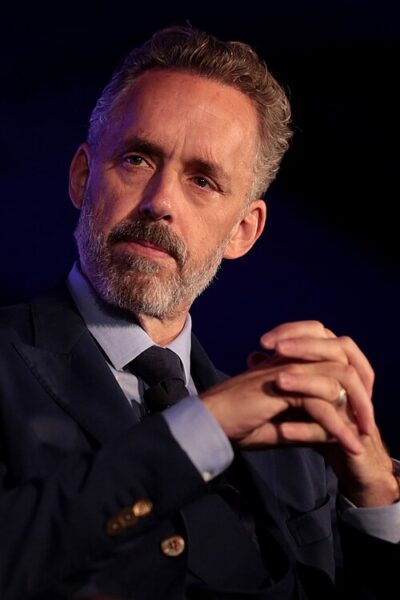 Jordan PetersonCanadian clinical psychologist, author, and political commentator and manosphere activist (1962-)
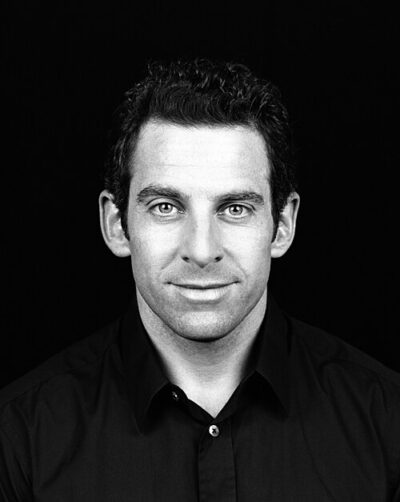 Sam HarrisAmerican author, philosopher and neuroscientist (born 1967)
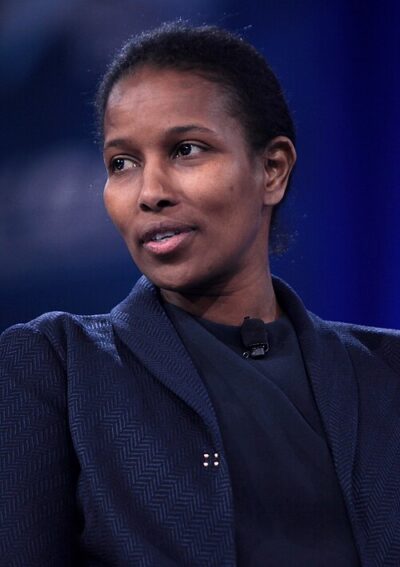 Ayaan Hirsi AliDutch-American political activist and author
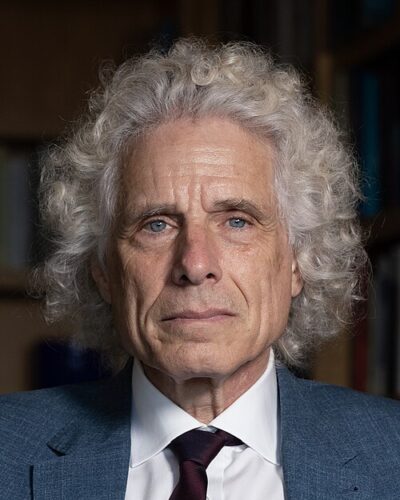 Steven PinkerCanadian-American cognitive psychologist, linguist, and author, an advocate of evolutionary psychology and the computational theory of the mind
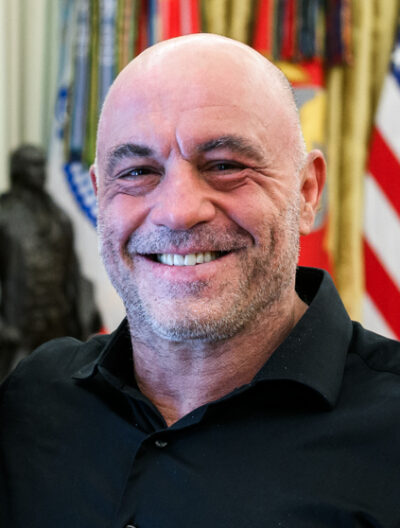 Joe RoganAmerican broadcaster, comedian, and actor (born 1967)
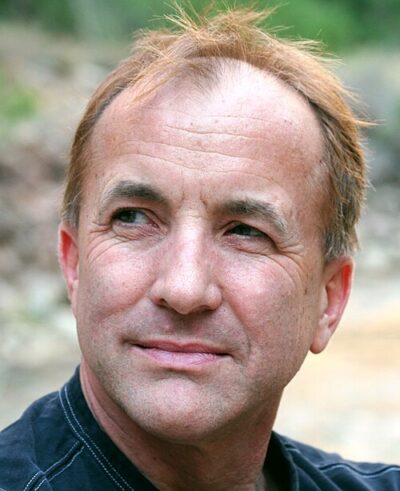 Michael ShermerAmerican science writer
 Christina Hoff SommersAmerican author and philosopher (born 1950)
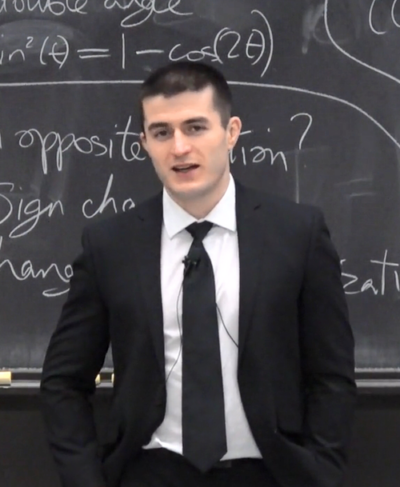 Lex FridmanAmerican computer scientist and podcaster
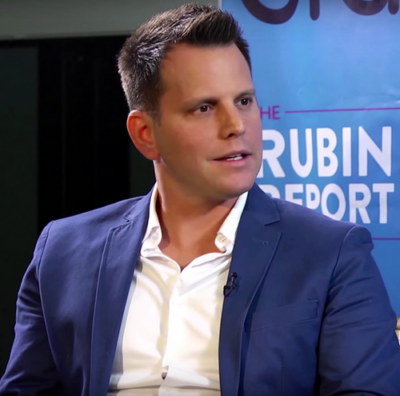 Dave RubinAmerican political commentator (born 1976)
