Intolerance
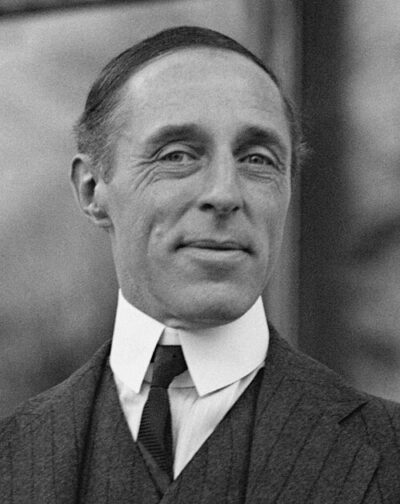
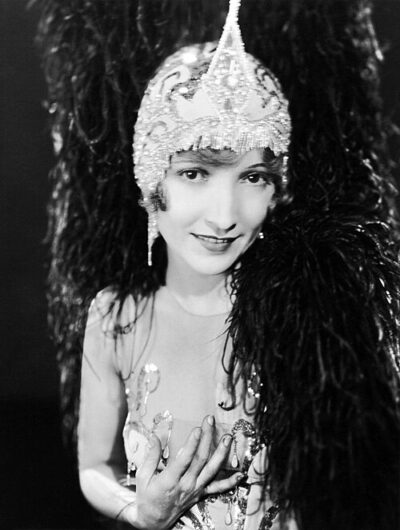
Intolerance is a 1916 epic silent film directed by D. W. Griffith. It stars Lillian Gish, Mae Marsh and Robert Harron.
- Released
- 1916
- Directed by
- D. W. Griffith
- Created by
- D. W. Griffith
- Genre
- drama film
- Country of origin
- United States
All 25 facts, and where they come from
Facts
25 facts · 0 confirmed by two sources · 5 cited · 20 from one source
Where this comes from
Papalocal keeps its own record. It started from these sources; what each one said is kept here as it was copied, so a change on their side never changes this page by itself. Tap one to read its version.
What Wikidata says · copied November 16, 2026 · revision 2550904148
- Described as
- 1916 epic silent film directed by D. W. Griffith
- Other names
- intolerance
- What it is
- film
- Directed by
- D. W. Griffith
- Created by
- D. W. Griffith
- Music by
- Joseph Carl Breil
- Screenplay by
- D. W. Griffith; Tod Browning; Anita Loos; Frank E. Woods
- Produced by
- D. W. Griffith
- Starring
- Lillian Gish · 1 reference; Mae Marsh · 1 reference; Robert Harron · 1 reference; Mary Alden; Julia Mackley; Walter Long · 1 reference; Lloyd Ingraham · 1 reference; Monte Blue; Billy Quirk; Ralph Lewis
- Genre
- drama film; art film; silent film
- Released
- 1916
- Original language
- English
- Country of origin
- United States
- Wikipedias with a page
- 46
Wikidata item Q192206 (wikidata.org/wiki/Q192206), public domain (CC0). Copied 2026-11-16.
What Wikipedia says · copied November 16, 2026 · revision 1383817143
Intolerance is a 1916 American anthology silent film directed by D. W. Griffith. Subtitled as Love's Struggle Throughout the Ages and A Sun-Play of the Ages, the three-and-a-half-hour epic intercuts four parallel storylines, each separated by several centuries: first, a contemporary melodrama of crime and redemption; second, a Biblical story: Christ's mission and death; third, a French story: the events surrounding the St. Bartholomew's Day massacre of 1572; and fourth, a Babylonian story: the fall of the Babylonian Empire to Persia in 539 BC. Each story had its own distinctive color tint in the original print. The scenes are linked by shots of a figure representing Eternal Motherhood, rocking a cradle.
Griffith chose to explore the theme of intolerance partly in response to his previous film, The Birth of a Nation (1915), being derided by the NAACP and others for perpetuating and supporting racial stereotypes and glorifying the Ku Klux Klan. Intolerance was not, however, an apology, as Griffith felt he had nothing to apologize for; in numerous interviews, he made clear that the film was intended as a rebuttal to his critics, whom he believed were themselves intolerant. In the years following its release, Intolerance strongly influenced European film movements and is regarded by critics as one of the most influential films of the silent era and one of the greatest films ever made. In 1958, the film was voted number seven in the World Expo film poll. In 1989, it was among the first films selected for preservation in the United States National Film Registry for being "culturally, historically, or aesthetically significant".
From the Wikipedia article “Intolerance (film)” (en.wikipedia.org/wiki/Intolerance_(film)), by its contributors, under CC BY-SA 4.0 (creativecommons.org/licenses/by-sa/4.0/). Copied 2026-11-16; not changed.
Confirmed Two sources agree. Cited One source, and it names where it got it. One source One source, without a reference of its own. Sources disagree The sources disagree. We show the best-supported value and keep theirs below.
Picture: Wikimedia Commons: Intolerance-lillian gish.jpg · See Commons file page