Iphigénie en Tauride
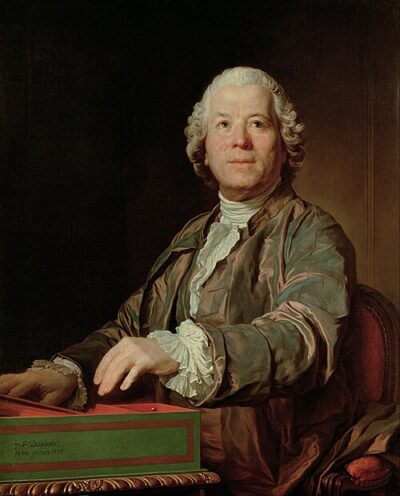
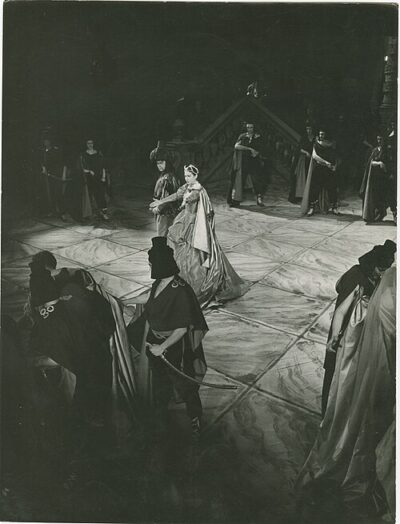
Iphigénie en Tauride is an opera by Christoph Willibald Gluck. It is based on Iphigenia in Tauris.
- Released
- 18th century
- Genre
- tragédie en musique
All 7 facts, and where they come from
Facts
7 facts · 0 confirmed by two sources · 0 cited · 7 from one source
Where this comes from
Papalocal keeps its own record. It started from these sources; what each one said is kept here as it was copied, so a change on their side never changes this page by itself. Tap one to read its version.
What Wikidata says · copied November 17, 2026 · revision 2469078501
- Described as
- opera by Christoph Willibald Gluck
- Other names
- Iphigenie en Tauride
- What it is
- dramatico-musical work
- Music by
- Christoph Willibald von Gluck
- Genre
- tragédie en musique
- Released
- 18th century
- Language
- French
- Based on
- Iphigenia in Tauris
- Named after
- Iphigenia
- Wikipedias with a page
- 23
Wikidata item Q687822 (wikidata.org/wiki/Q687822), public domain (CC0). Copied 2026-11-17.
What Wikipedia says · copied November 17, 2026 · revision 1384615913
Iphigénie en Tauride (French: [ifiʒeni ɑ̃ toʁid], Iphigenia in Tauris) is a 1779 opera by Christoph Willibald Gluck in four acts. It was his fifth opera for the French stage. The libretto was written by Nicolas-François Guillard.
With Iphigénie, Gluck took his operatic reform to its logical conclusion. The recitatives are shorter and they are récitatif accompagné (i.e. the strings and perhaps other instruments are playing, not just continuo accompaniment). The normal dance movements that one finds in the French tragédie en musique are almost entirely absent. The drama is ultimately based on the play Iphigenia in Tauris by the ancient Greek dramatist Euripides which deals with stories concerning the family of Agamemnon in the aftermath of the Trojan War.
From the Wikipedia article “Iphigénie en Tauride” (en.wikipedia.org/wiki/Iphigénie_en_Tauride), by its contributors, under CC BY-SA 4.0 (creativecommons.org/licenses/by-sa/4.0/). Copied 2026-11-17; not changed.
Confirmed Two sources agree. Cited One source, and it names where it got it. One source One source, without a reference of its own. Sources disagree The sources disagree. We show the best-supported value and keep theirs below.
Picture: Unknown author, via Wikimedia Commons · CC BY-SA 4.0