Jevons paradox
Jevons paradox is an economical theory that increased efficiency in use of a resource also tends to increase consumption of that resource.
All 3 facts, and where they come from
Facts
3 facts · 0 confirmed by two sources · 0 cited · 3 from one source
Where this comes from
Papalocal keeps its own record. It started from these sources; what each one said is kept here as it was copied, so a change on their side never changes this page by itself. Tap one to read its version.
What Wikidata says · copied November 17, 2026 · revision 2428725402
- Described as
- economical theory that increased efficiency in use of a resource also tends to increase consumption of that resource
- Other names
- Jevons effect
- What it is
- paradox; economics law
- Named after
- William Stanley Jevons
- Wikipedias with a page
- 37
Wikidata item Q1474401 (wikidata.org/wiki/Q1474401), public domain (CC0). Copied 2026-11-17.
What Wikipedia says · copied November 17, 2026 · revision 1382922804
The Jevons paradox (pronounced , JEV-ənz) or Jevons effect is an economic phenomenon said to occur when technological improvements that increase the efficiency of a resource's use lead to a rise, rather than a fall, in total consumption of that resource. Greater efficiency reduces the amount of the resource needed per application, lowering its effective cost; if demand is sufficiently price elastic, this induces demand, frequently resulting in a net increase of total resource consumption.
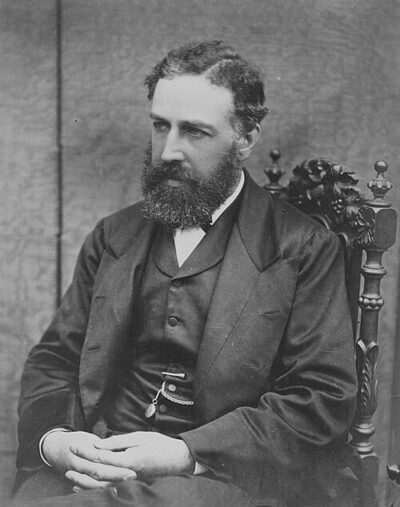
In 1865, the English economist William Stanley Jevons observed that technological improvements that increased the efficiency of coal use led to the increased consumption of coal in a wide range of industries. He argued that, contrary to common intuition, technological progress could not be relied upon to reduce fuel consumption.
The issue has been re-examined by modern economists studying consumption rebound effects from improved energy efficiency. In addition to reducing the amount needed for a given use, improved efficiency also lowers the relative cost of using a resource, which increases the quantity demanded. This may mitigate the decline in use from improved efficiency, or instead promote an increase in the use. Additionally, improved efficiency increases real incomes and accelerates economic growth, further increasing the demand for resources. The Jevons paradox occurs when the effect from increased demand predominates, and the improved efficiency results in a faster rate of resource use.
Considerable debate exists about the size of the rebound in energy efficiency and the relevance of the Jevons paradox to energy conservation. Some dismiss the effect, while others worry that it may be self-defeating to pursue sustainability by increasing energy efficiency in those situations where the true cost of a commodity exceeds the market price. Some environmental economists have proposed that efficiency gains be coupled with conservation policies that keep the cost of use the same (or higher) to avoid the Jevons paradox. Conservation policies that increase cost of use (such as cap and trade or green taxes) can be used to control the rebound effect.
From the Wikipedia article “Jevons paradox” (en.wikipedia.org/wiki/Jevons_paradox), by its contributors, under CC BY-SA 4.0 (creativecommons.org/licenses/by-sa/4.0/). Copied 2026-11-17; not changed.
Confirmed Two sources agree. Cited One source, and it names where it got it. One source One source, without a reference of its own. Sources disagree The sources disagree. We show the best-supported value and keep theirs below.