
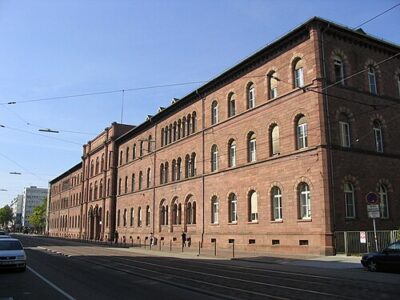
Karlsruhe Institute of Technology
The Karlsruhe Institute of Technology is a technical university and research center in Karlsruhe, Germany. It was founded in 2009. 21,848 students study there (2021). It won the Innovation Prize of the German Economy.
- Located in
- Karlsruhe
- Country
- Germany
- Founded
- October 1, 2009
- Students
- 21,848 (2021)
- What it is
- university of technology
All 12 facts, and where they come from
Facts
12 facts · 0 confirmed by two sources · 4 cited · 8 from one source
Where this comes from
Papalocal keeps its own record. It started from these sources; what each one said is kept here as it was copied, so a change on their side never changes this page by itself. Tap one to read its version.
What Wikidata says · copied November 17, 2026 · revision 2564750902
- Described as
- technical university and research center in Karlsruhe, Germany
- Other names
- KIT
- What it is
- university of technology; research institute; public university
- Founded
- October 1, 2009 · 1 reference
- Headquarters
- Karlsruhe · 2 references
- Located in
- Karlsruhe · 1 reference
- Country
- Germany · 2 references
- Industry
- research
- Part of
- Helmholtz Association of German Research Centres · 1 reference
- Students
- 25,196 (2015) · 1 reference
- Awards
- Innovation Prize of the German Economy
- Official website
- https://www.kit.edu/
- Wikipedias with a page
- 40
Wikidata item Q309988 (wikidata.org/wiki/Q309988), public domain (CC0). Copied 2026-11-17.
What Wikipedia says · copied November 17, 2026 · revision 1381432384
The Karlsruhe Institute of Technology (KIT; German: Karlsruher Institut für Technologie) is both a German public research university in Karlsruhe, Baden-Württemberg, and a research center of the Helmholtz Association.
KIT was created in 2009 when the University of Karlsruhe (TH) (German: Universität Karlsruhe (TH)), founded in 1825 as a public research university and also known as the "Fridericiana", merged with the Karlsruhe Research Center (Forschungszentrum Karlsruhe), which had originally been established in 1956 as a national nuclear research center (Kernforschungszentrum Karlsruhe, or KfK). By combining academic education with large-scale non-university research, KIT integrates research, teaching, and innovation in a single institutional structure that is unique within the German research landscape.
KIT is a member of the TU9, an alliance of nine leading technical universities in Germany. As part of the German Universities Excellence Initiative KIT was one of three universities which were awarded excellence status in 2006. In the following "German Excellence Strategy" KIT was awarded as one of eleven "Excellence Universities" in 2019. It is one of Germany's largest research universities, with 23,083 students in winter semester 2025/26 and an annual budget of €1,223.4 million in 2025.
Science-based mechanical engineering was founded at KIT in the mid-19th century under the direction of Ferdinand Redtenbacher, which influenced the foundation of other technical universities, such as ETH Zurich in 1855. It established the first German faculty for computer science in 1972. On 2 August 1984, the university received the first-ever German e-mail.
Professors and former students have won six Nobel Prizes, ten Leibniz Prizes, the most prestigious as well as the best-funded prize in Europe, and one Academy Award for Technical Achievement. The Karlsruhe Institute of Technology is well known for many inventors and entrepreneurs who studied or taught there, including Heinrich Hertz, Karl Friedrich Benz and the founders of SAP SE.
From the Wikipedia article “Karlsruhe Institute of Technology” (en.wikipedia.org/wiki/Karlsruhe_Institute_of_Technology), by its contributors, under CC BY-SA 4.0 (creativecommons.org/licenses/by-sa/4.0/). Copied 2026-11-17; not changed.
Confirmed Two sources agree. Cited One source, and it names where it got it. One source One source, without a reference of its own. Sources disagree The sources disagree. We show the best-supported value and keep theirs below.
Picture: AlterVista at German Wikipedia, via Wikimedia Commons · CC BY-SA 3.0
People connected 18
Worked here
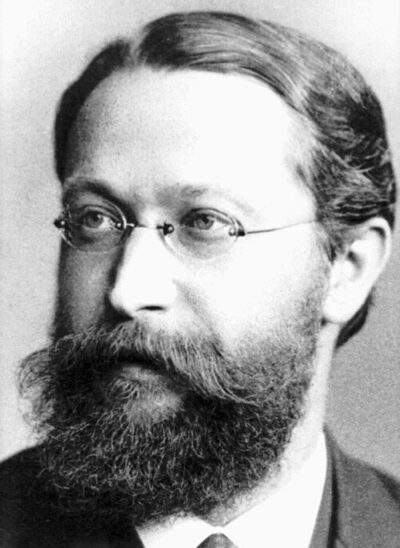 Karl Ferdinand BraunGerman physicist (1850–1918)
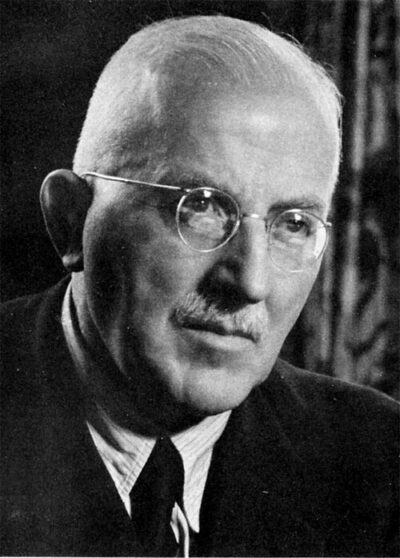 Hermann StaudingerGerman chemist, winner of the 1953 Nobel Prize in Chemistry (1881–1965)
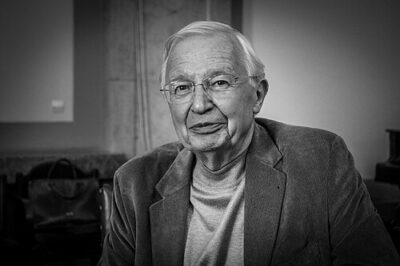 Jean-Marie LehnFrench chemist
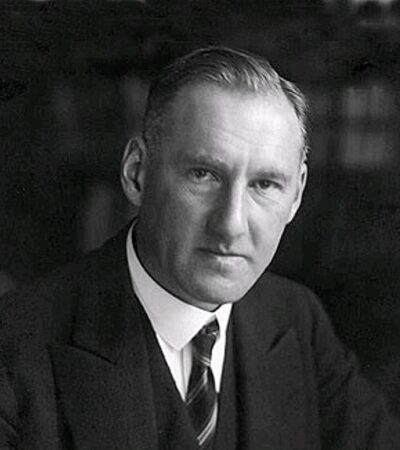 Kazimierz FajansPolish-American scientist
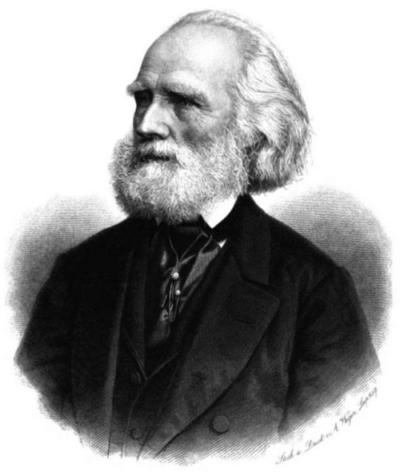 Alexander BraunGerman botanist and university teacher (1805–1877)
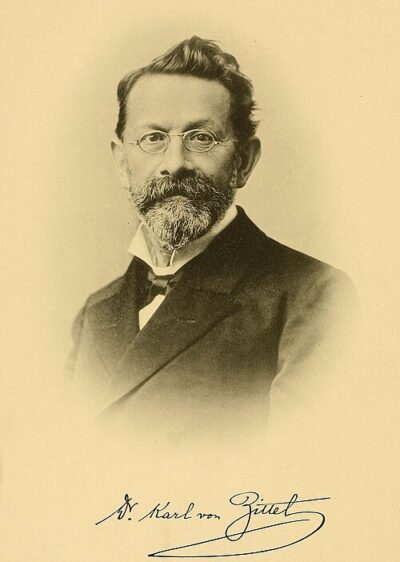 Karl Alfred von ZittelGerman geologist and paleontologist (1839–1904)
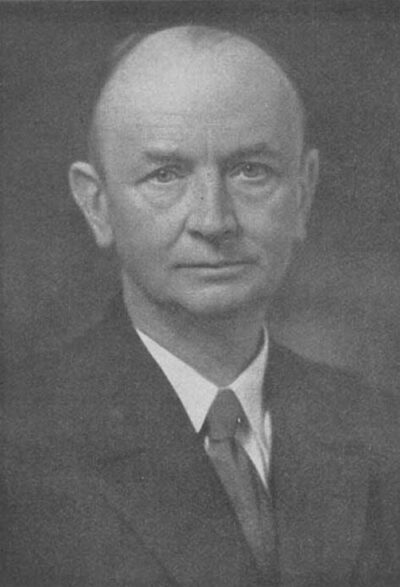 Alfred StockGerman chemist (1876–1946)
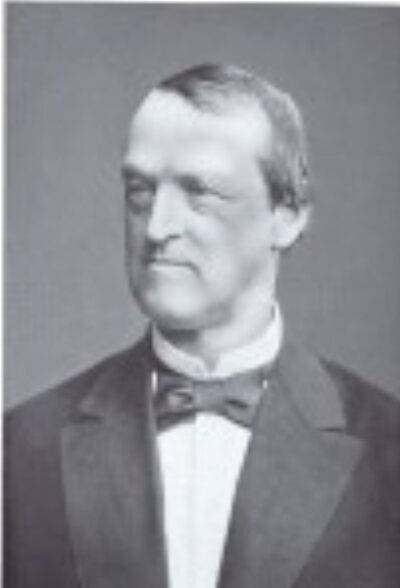 Gustav Heinrich WiedemannGerman physicist (1826–1899)
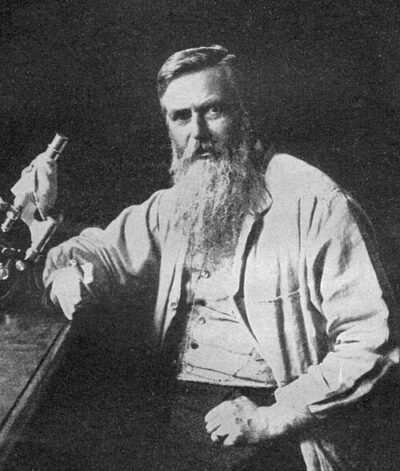 Otto BütschliGerman biologist (1848-1920)
 Gustav MieGerman physicist (1868-1957)
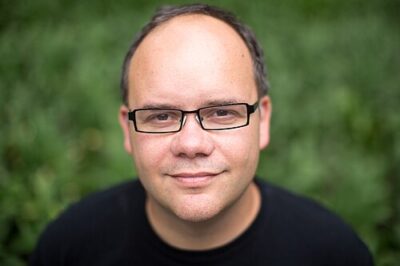 Denny Vrandečić (2004–2012)Croatian computer scientist
Studied here
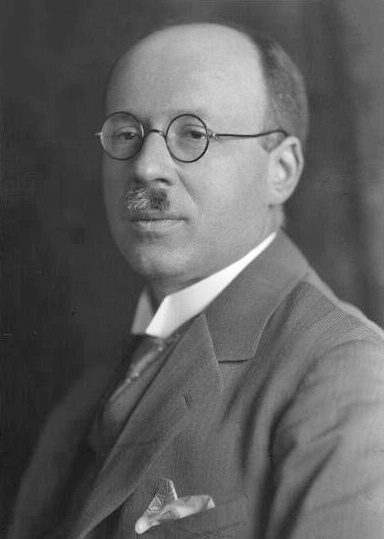 Leopold RužičkaCroatian scientist (1887-1976)
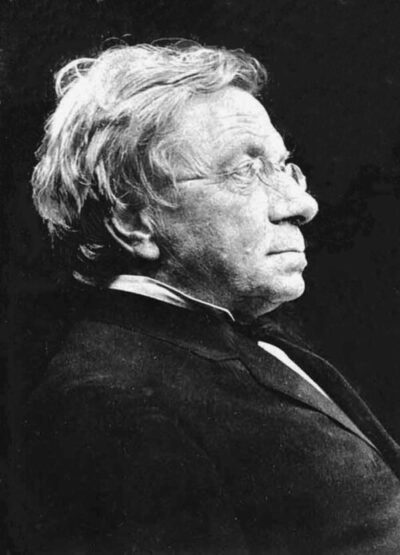 Johann Jakob BalmerSwiss mathematician (1825–1898)
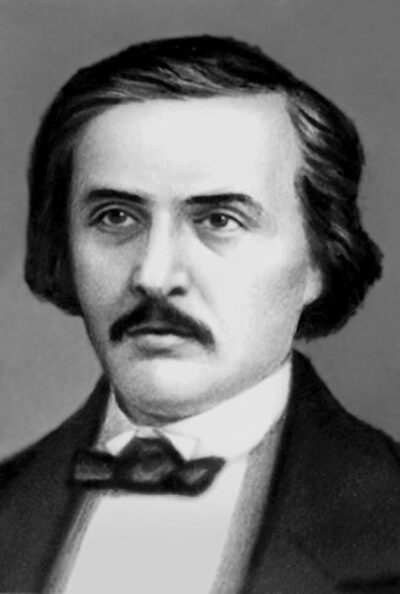 Charles Frédéric GerhardtFrench chemist (1816-1856)
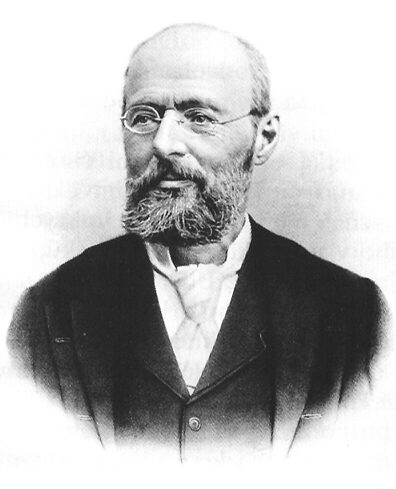 Emil ŠkodaBohemian engineer and industrialist (1839-1900)
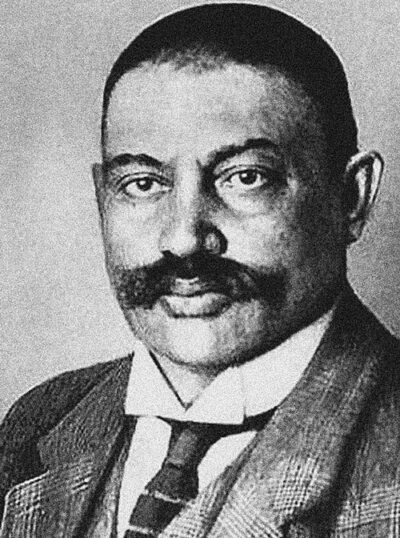 Yevno AzefRussian revolutionary (1869–1918)
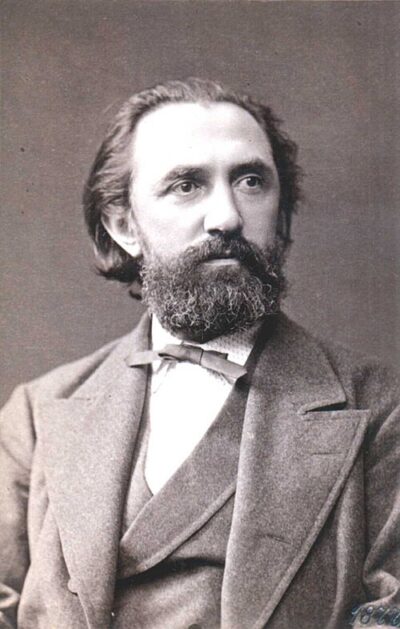 Franz ReuleauxGerman mechanical engineer (1829–1905)
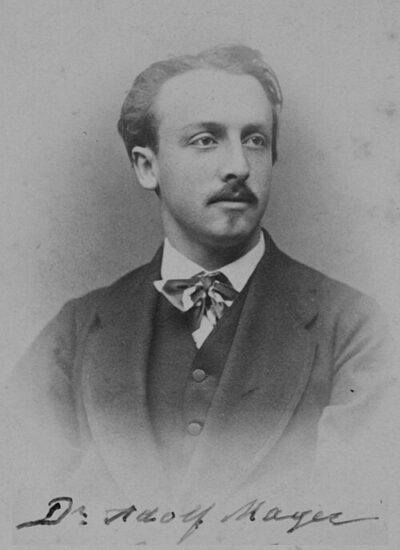 Adolf MayerGerman agronomist (1843–1942)
- Otto Bütschli (–1866)German biologist (1848-1920)
- Denny Vrandečić (2004–2010)Croatian computer scientist
