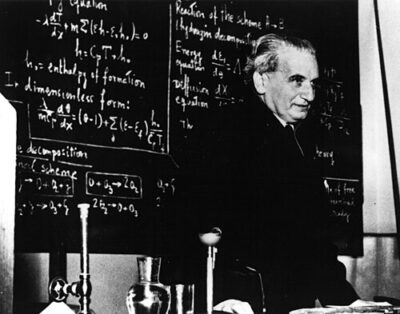
Kelvin Gold Medal
Kelvin Gold Medal is a British engineering prize.
- Country
- United Kingdom
All 4 facts, and where they come from
Facts
4 facts · 0 confirmed by two sources · 0 cited · 4 from one source
Where this comes from
Papalocal keeps its own record. It started from these sources; what each one said is kept here as it was copied, so a change on their side never changes this page by itself. Tap one to read its version.
What Wikidata says · copied November 16, 2026 · revision 1942178162
- Described as
- British engineering prize
- What it is
- science award; medal
- Country
- United Kingdom
- Named after
- William Thomson, 1st Baron Kelvin
- Wikipedias with a page
- 3
Wikidata item Q6386658 (wikidata.org/wiki/Q6386658), public domain (CC0). Copied 2026-11-16.
What Wikipedia says · copied November 16, 2026 · revision 1292427220
The Kelvin Gold Medal is a British engineering prize.
In the annual report for 1914, it was reported that the Lord Kelvin Memorial Executive Committee decided that the balance of funds left over from providing a memorial window at Westminster Abbey should be devoted to providing a Kelvin Gold Medal to mark "a distinction in engineering work or investigation" by the Presidents of eight leading British Engineering Institutions. There was a delay in awarding the first medal due to the World War.
The medal has been given triennially since 1920 for "distinguished service in the application of science to engineering". The Institution of Civil Engineers (Great Britain) administered the prize. The Committee of Presidents considers recommendations received from similar bodies from all parts of the world. The first recipient was William Unwin.
From the Wikipedia article “Kelvin Gold Medal” (en.wikipedia.org/wiki/Kelvin_Gold_Medal), by its contributors, under CC BY-SA 4.0 (creativecommons.org/licenses/by-sa/4.0/). Copied 2026-11-16; not changed.
Confirmed Two sources agree. Cited One source, and it names where it got it. One source One source, without a reference of its own. Sources disagree The sources disagree. We show the best-supported value and keep theirs below.