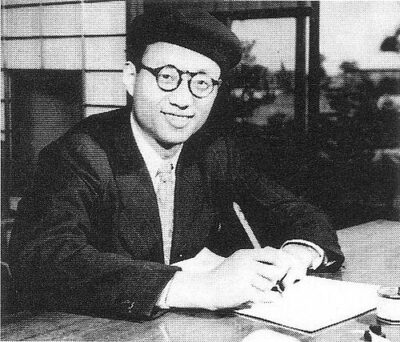
Kimba the White Lion
Kimba the White Lion is a Japanese media franchise created by Osamu Tezuka.
- Written by
- Osamu Tezuka
- Genre
- comedy drama anime and manga
- Country of origin
- Japan
All 5 facts, and where they come from
Facts
5 facts · 0 confirmed by two sources · 0 cited · 5 from one source
Where this comes from
Papalocal keeps its own record. It started from these sources; what each one said is kept here as it was copied, so a change on their side never changes this page by itself. Tap one to read its version.
What Wikidata says · copied November 17, 2026 · revision 2509002198
- Described as
- Japanese media franchise created by Osamu Tezuka
- What it is
- media franchise
- Written by
- Osamu Tezuka
- Genre
- comedy drama anime and manga
- Language
- Japanese · 1 reference
- Country of origin
- Japan
- Wikipedias with a page
- 24
Wikidata item Q696580 (wikidata.org/wiki/Q696580), public domain (CC0). Copied 2026-11-17.
What Wikipedia says · copied November 17, 2026 · revision 1385346528
Kimba the White Lion, known in Japan as Jungle Emperor (Japanese: ジャングル大帝, Hepburn: Janguru Taitei), is a Japanese manga series written and illustrated by Osamu Tezuka, serialized in Manga Shōnen from November 1950 to April 1954. An anime based on the manga was created by Mushi Production and was broadcast on Fuji Television from 1965 to 1967, the first Japanese color animated television series. It began airing in North America from 1966. The later series was produced by Tezuka Productions.
A TV special premiered September 5, 2009, on Fuji TV. Produced in commemoration of Fuji TV's 50th anniversary, it was directed by Gorō Taniguchi, written by novelist and drama writer Osamu Suzuki, and features character designs by illustrator Yoshitaka Amano.
From the Wikipedia article “Kimba the White Lion” (en.wikipedia.org/wiki/Kimba_the_White_Lion), by its contributors, under CC BY-SA 4.0 (creativecommons.org/licenses/by-sa/4.0/). Copied 2026-11-17; not changed.
Confirmed Two sources agree. Cited One source, and it names where it got it. One source One source, without a reference of its own. Sources disagree The sources disagree. We show the best-supported value and keep theirs below.