Kingdom of Galicia
The Kingdom of Galicia is a historical state on the Iberian Peninsula (910–1126). It was created in 410.
- Country
- Kingdom of Leon (914–1230)
- Created
- 410
All 7 facts, and where they come from
Facts
7 facts · 0 confirmed by two sources · 1 cited · 6 from one source
Where this comes from
Papalocal keeps its own record. It started from these sources; what each one said is kept here as it was copied, so a change on their side never changes this page by itself. Tap one to read its version.
What Wikidata says · copied November 18, 2026 · revision 2525664554
- Described as
- historical state on the Iberian Peninsula (910–1126)
- What it is
- kingdom (411–1833) · 1 reference; historical country (1230–); sovereign state (711–1230)
- Created
- 410
- Ended
- 1833
- Country
- Kingdom of Leon (914–1230); Crown of Castile (1230–1700)
- Wikipedias with a page
- 49
Wikidata item Q303421 (wikidata.org/wiki/Q303421), public domain (CC0). Copied 2026-11-18.
What Wikipedia says · copied November 18, 2026 · revision 1384883488
The Kingdom of Galicia was a political entity located in southwestern Europe, which, at its territorial zenith, occupied the entire northwest of the Iberian Peninsula. In the early 10th century, the Kingdom of Galicia was formed following the division of the Kingdom of Asturias after the death of Alfonso III in 910. His sons split the kingdom, with Ordoño II inheriting Galicia. While Galicia became a distinct political entity, it remained closely tied to the Leonese and Asturian realms through dynastic connections. Later, Ordoño II integrated Galicia into the Kingdom of León when he inherited the latter. Though the Kingdom of Galicia had moments of semi-independence, it was typically seen as part of the Kingdom of León. Santiago de Compostela became the capital of Galicia in the 11th century, while the independence of Portugal (1128) determined its southern boundary. The accession of Castilian King Ferdinand III to the Leonese kingdom in 1230 brought Galicia under the control of the Crown of Castile.
Galicia resisted central control and supported a series of alternative claimants, including John of León, Galicia and Seville (1296), Ferdinand I of Portugal (1369) and John of Gaunt (1386) and was not brought firmly into submission until the Catholic Monarchs imposed the Santa Hermandad in Galicia. The Kingdom of Galicia was then administered within the Crown of Castile (1490–1715) and later the Crown of Spain (1715–1833) by an Audiencia Real directed by a Governor which also held the office of Captain General and President. The representative assembly of the Kingdom was then the Junta or Cortes of the Kingdom of Galicia, which briefly declared itself sovereign when Galicia remained free of Napoleonic occupation (except during January–July 1809). The kingdom and its Junta were dissolved by Maria Cristina of Bourbon-Two Sicilies, Regent of Spain, in 1834.
From the Wikipedia article “Kingdom of Galicia” (en.wikipedia.org/wiki/Kingdom_of_Galicia), by its contributors, under CC BY-SA 4.0 (creativecommons.org/licenses/by-sa/4.0/). Copied 2026-11-18; not changed.
Confirmed Two sources agree. Cited One source, and it names where it got it. One source One source, without a reference of its own. Sources disagree The sources disagree. We show the best-supported value and keep theirs below.
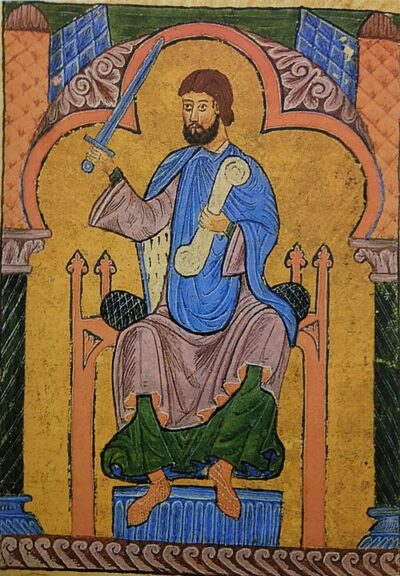
Picture: Wikimedia Commons: King of Galicia - Rei de Galicia - Ariamirus.jpg · See Commons file page
People connected 22
Citizen of
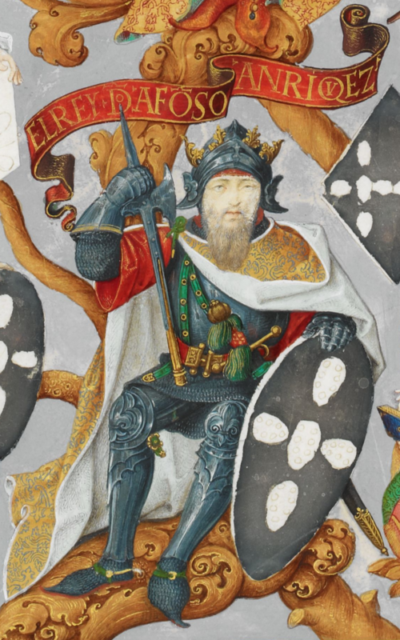 Afonso I of Portugal (–1139)king of Portugal from 1139 to 1185
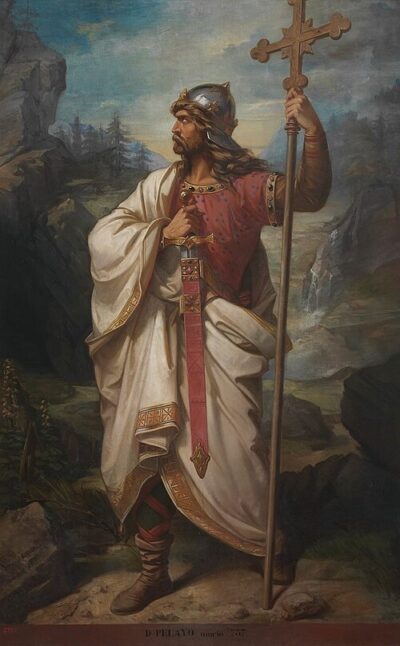 Pelagiusfirst king of Asturias
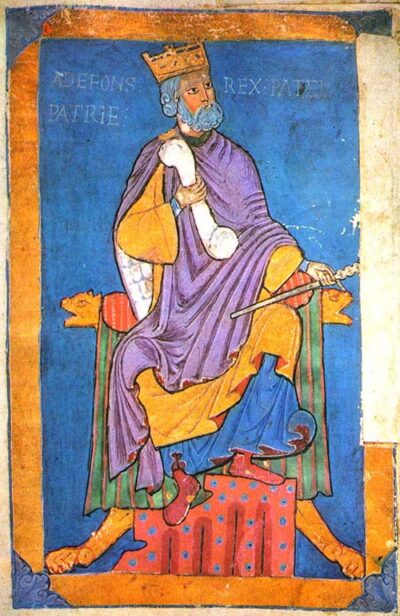 Alfonso VI of León and CastileKing of León (1065 to 1109), of Castile (1072 to 1109), and of Galicia (1071 to 1109)
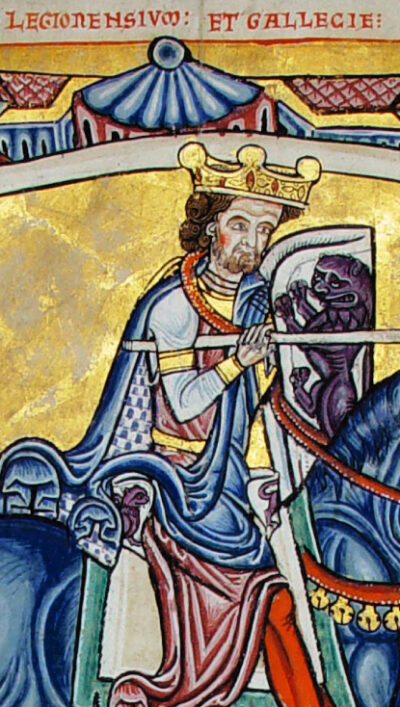 Alfonso IX of LeónKing of León and Galicia from 1188 to 1230
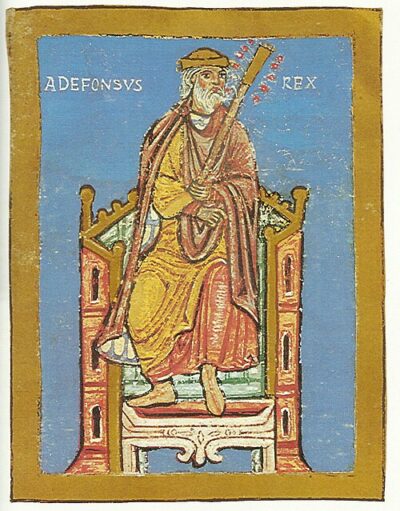 Alfonso III of AsturiasSpanish King
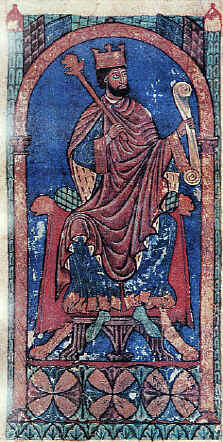 Alfonso VII of CastileCastilian monarch
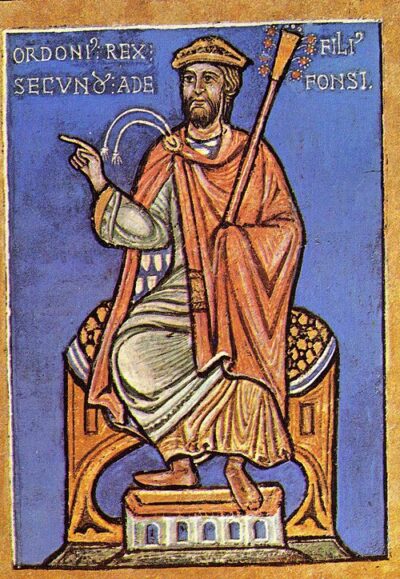 Ordoño II of LeónKing of Galicia and then Leon (c.873–924)
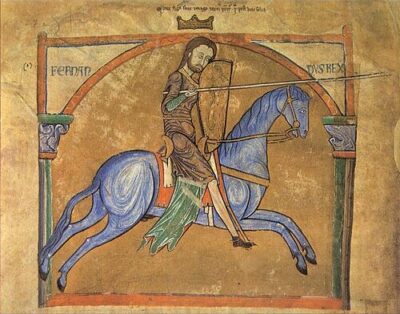 Ferdinand II of LeónKing of Leon and Galicia (1137-1188)
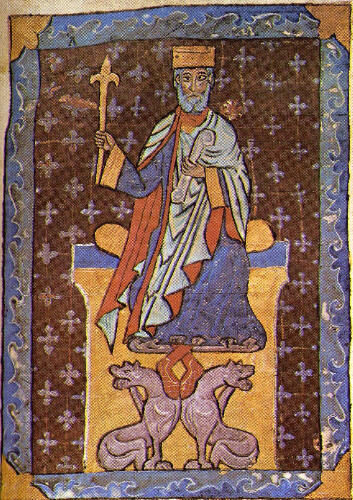 Alfonso V of LeónKing of León
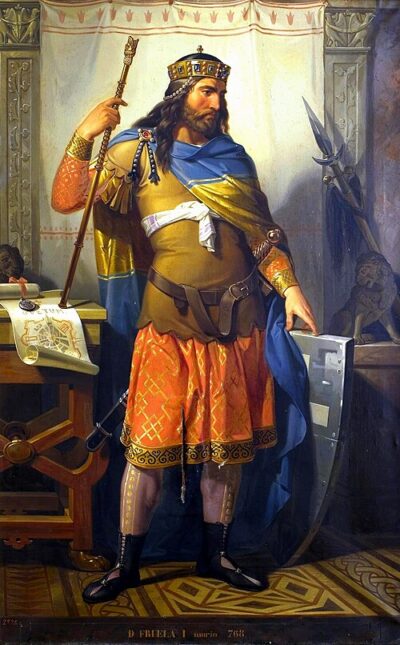 Fruela I of AsturiasKing of Asturias from 757 to 768
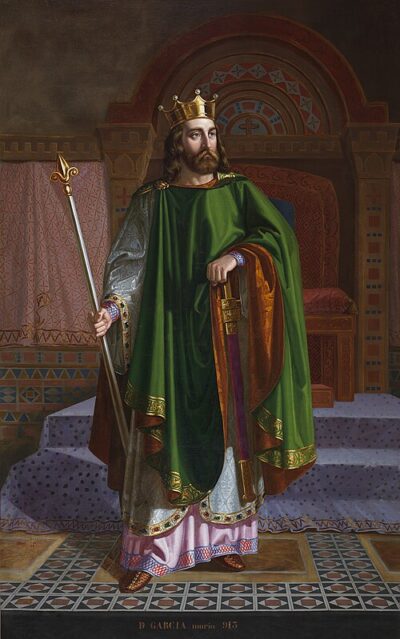 García I of LeónKing of Leon (871-914)
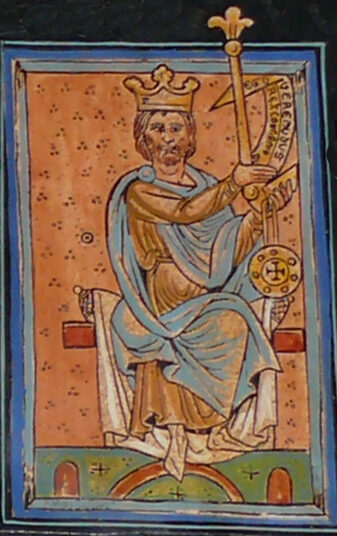 Bermudo II of LeónKing of Galicia and León
 García II of GaliciaKing of Galicia
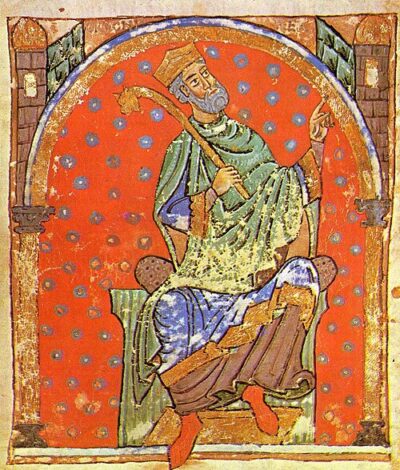 Ordoño IV of LeónKing of León from 958 to 960
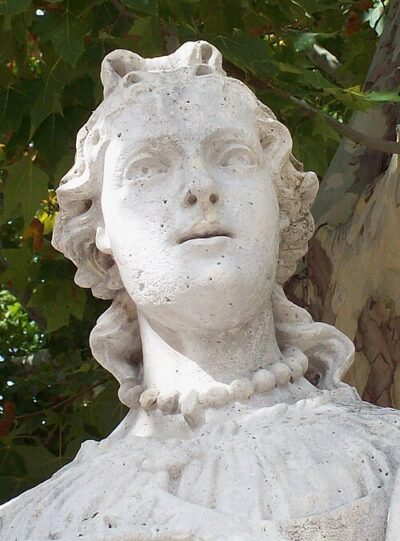 Sancha of LeónQueen of León
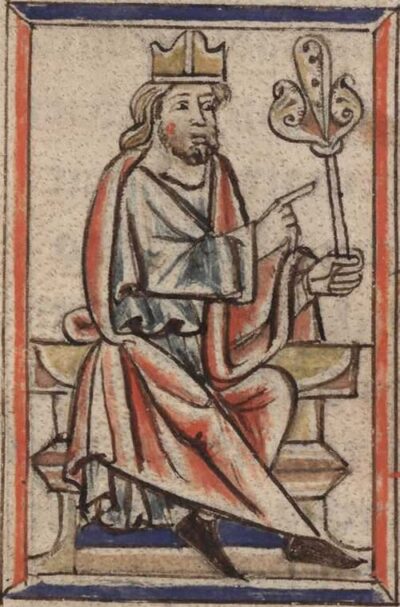 Hermericlast Suebian king of Galicia
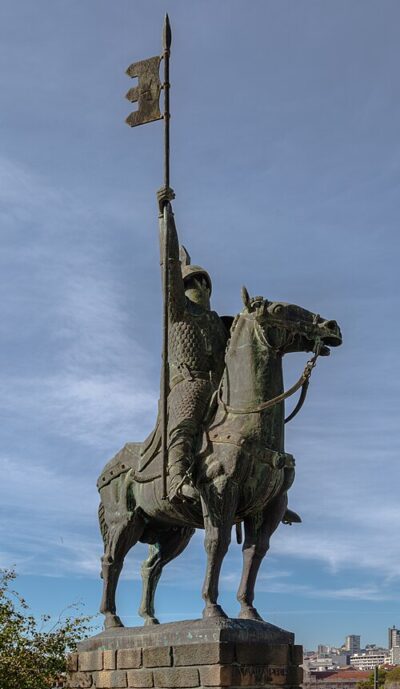 Vímara PeresCount of Portugal
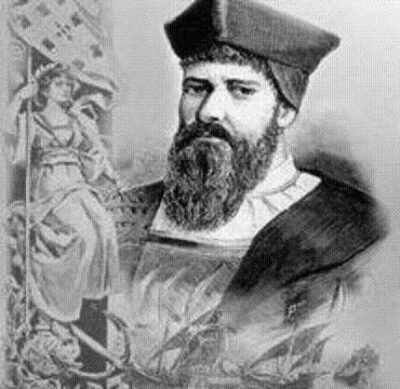 João de NóvoaGalician explorer, Navigator and Politician
- RRechilaSuevic King of Galicia
- AAlfonso Fróilazking of Galicia from 925 to 926 CE
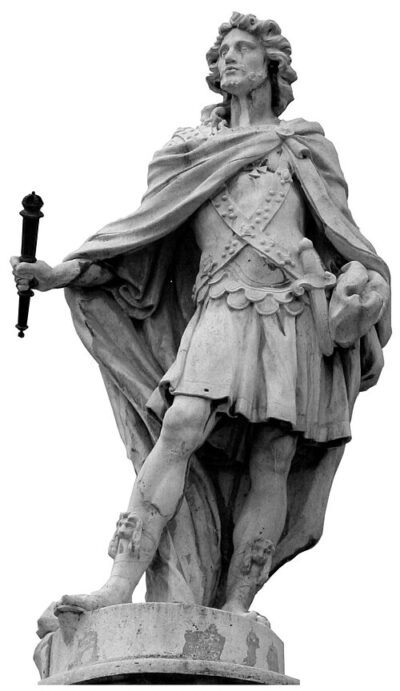 RechiarKing of Galicia