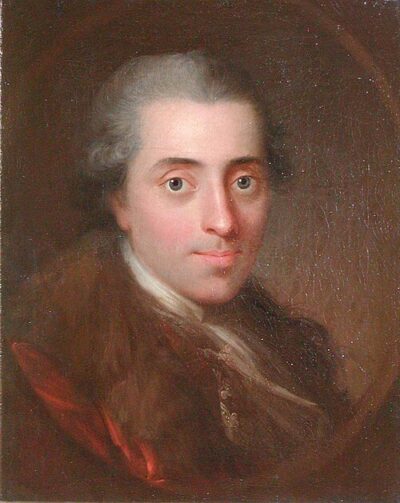
Kong Christian stod ved højen mast
Kong Christian stod ved højen mast is a National anthem of Denmark.
- Genre
- national anthem
- Country of origin
- Denmark
All 6 facts, and where they come from
Facts
6 facts · 0 confirmed by two sources · 0 cited · 6 from one source
Where this comes from
Papalocal keeps its own record. It started from these sources; what each one said is kept here as it was copied, so a change on their side never changes this page by itself. Tap one to read its version.
What Wikidata says · copied November 18, 2026 · revision 2561446249
- Described as
- National anthem of Denmark
- What it is
- national anthem
- Music by
- Ditlev Ludvig Rogert; Johann Hartmann
- Genre
- national anthem
- Language
- Danish
- Country of origin
- Denmark
- Wikipedias with a page
- 30
Wikidata item Q908519 (wikidata.org/wiki/Q908519), public domain (CC0). Copied 2026-11-18.
What Wikipedia says · copied November 18, 2026 · revision 1383069992
"Kong Christian stod ved højen mast" (Danish: [kʰʌŋ ˈkʰʁestjæn ˈstoðˀ ve̝ ˈhʌjˀn̩ mæst; -ˈkʰʁæs-]; lit. 'King Christian stood by the lofty mast'), or simply "Kong Christian", is one of the two national anthems of Denmark, the other being "Der er et yndigt land". It is generally reserved for use by the Danish royal house and the military. The theme of the song is the heroics of Danish and Norwegian sailors during the wars against Sweden (including the Torstenson War) in the 17th and 18th centuries.
On New Year's Eve, it is tradition to sing along as the Danmarks Radio Girl's Choir sings the song on television immediately after midnight following the other national anthem. Usually, only the first verse is sung on official occasions. Adopted in 1780, it is one of the oldest national anthems in the world.
From the Wikipedia article “Kong Christian stod ved højen mast” (en.wikipedia.org/wiki/Kong_Christian_stod_ved_højen_mast), by its contributors, under CC BY-SA 4.0 (creativecommons.org/licenses/by-sa/4.0/). Copied 2026-11-18; not changed.
Confirmed Two sources agree. Cited One source, and it names where it got it. One source One source, without a reference of its own. Sources disagree The sources disagree. We show the best-supported value and keep theirs below.