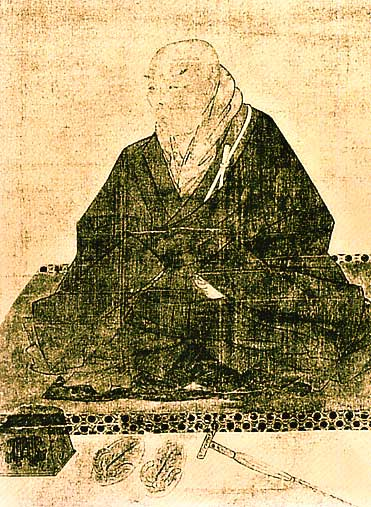
Kyōgyōshinshō
Kyōgyōshinshō is a 13th-century literary work by Shinran. It came out in 1224.
- Came out
- May 4, 1224
- Written by
- Shinran
- Country of origin
- Kamakura shogunate
All 5 facts, and where they come from
Facts
5 facts · 0 confirmed by two sources · 0 cited · 5 from one source
Where this comes from
Papalocal keeps its own record. It started from these sources; what each one said is kept here as it was copied, so a change on their side never changes this page by itself. Tap one to read its version.
What Wikidata says · copied November 17, 2026 · revision 2334127018
- Described as
- 13th-century literary work by Shinran
- Other names
- The True Teaching, Practice, and Realization of the Pure Land Way, Kenjōdo Shinjitsu Kyōgyōshō Monrui, T. 2646
- What it is
- written work
- Written by
- Shinran
- Language
- kanbun
- Country of origin
- Kamakura shogunate
- Came out
- May 4, 1224
- Wikipedias with a page
- 4
Wikidata item Q6451912 (wikidata.org/wiki/Q6451912), public domain (CC0). Copied 2026-11-17.
What Wikipedia says · copied November 17, 2026 · revision 1384292361
Kenjōdo Shinjitsu Kyōgyōshō Monrui (顕浄土真実教行証文類), often abbreviated to Kyōgyōshinshō (教行信証), is the magnum opus of Shinran (1173–1263), the founder of the Japanese Pure Land Buddhist Jōdo Shinshū tradition. The title is often translated as The True Teaching, Practice, and Realization of the Pure Land Way in English. The work was written after Shinran's exile, and is believed to have been composed in the year 1224.
From the Wikipedia article “Kyōgyōshinshō” (en.wikipedia.org/wiki/Kyōgyōshinshō), by its contributors, under CC BY-SA 4.0 (creativecommons.org/licenses/by-sa/4.0/). Copied 2026-11-17; not changed.
Confirmed Two sources agree. Cited One source, and it names where it got it. One source One source, without a reference of its own. Sources disagree The sources disagree. We show the best-supported value and keep theirs below.
Picture: Wikimedia Commons: Kyogyoshinsho.jpg · See Commons file page