La Grande Illusion
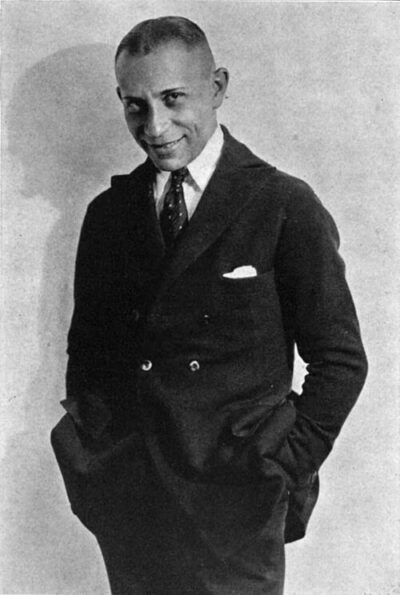
La Grande Illusion is a 1937 film by Jean Renoir. It stars Jean Gabin, Dita Parlo and Erich von Stroheim.
- Released
- 1937
- Directed by
- Jean Renoir
- Genre
- drama film
- Country of origin
- France
All 22 facts, and where they come from
Facts
22 facts · 0 confirmed by two sources · 14 cited · 8 from one source
Where this comes from
Papalocal keeps its own record. It started from these sources; what each one said is kept here as it was copied, so a change on their side never changes this page by itself. Tap one to read its version.
What Wikidata says · copied November 16, 2026 · revision 2567999288
- Described as
- 1937 film by Jean Renoir
- Other names
- Grande Illusion, Grand Illusion, La Grande illusion
- What it is
- film
- Directed by
- Jean Renoir · 4 references
- Music by
- Joseph Kosma
- Screenplay by
- Jean Renoir; Charles Spaak
- Produced by
- Albert Pinkovitch; Frank Rollmer · 1 reference
- Starring
- Jean Gabin · 5 references; Dita Parlo · 4 references; Erich von Stroheim · 5 references; Pierre Fresnay · 5 references; Marcel Dalio · 4 references; Gaston Modot · 3 references; Julien Carette · 3 references; Jacques Becker · 2 references; Jean Dasté · 2 references; Claude Vernier · 2 references
- Genre
- drama film · 2 references
- Released
- June 4, 1937 · 1 reference; June 8, 1937 · 1 reference; September 12, 1938 · 1 reference
- Original language
- French; English · 1 reference
- Country of origin
- France · 1 reference
- Wikipedias with a page
- 44
Wikidata item Q470336 (wikidata.org/wiki/Q470336), public domain (CC0). Copied 2026-11-16.
What Wikipedia says · copied November 16, 2026 · revision 1379930960
La Grande Illusion (commonly known in English as "The Grand Illusion") is a 1937 French war drama film directed by Jean Renoir, who co-wrote the screenplay with Charles Spaak. The story concerns class relationships among a small group of French officers who are German prisoners of war during World War I who are plotting an escape.
The title of the film comes from the 1909 book The Great Illusion by British journalist Norman Angell, which argued that war is futile because of the common economic interests of all European nations. The perspective of the film is generously humanistic to its characters of various nationalities.
La Grande Illusion is regarded by critics and film historians as one of the masterpieces of French cinema. Orson Welles named La Grande Illusion as one of the two movies he would take with him "on the ark". Director and producer Sydney Pollack picked La Grande Illusion as one of his ten favorite films of all time.In 1958, the film was voted number 5 on the prestigious Brussels 12 list at the 1958 World Expo. In 1995, the Vatican included La Grande Illusion in its list of 45 "great films" under the category of "Art". Empire magazine ranked it #35 in "The 100 Best Films Of World Cinema" in 2010.
From the Wikipedia article “La Grande Illusion” (en.wikipedia.org/wiki/La_Grande_Illusion), by its contributors, under CC BY-SA 4.0 (creativecommons.org/licenses/by-sa/4.0/). Copied 2026-11-16; not changed.
Confirmed Two sources agree. Cited One source, and it names where it got it. One source One source, without a reference of its own. Sources disagree The sources disagree. We show the best-supported value and keep theirs below.
Picture: Wikimedia Commons: Grand-Illusion-1937.jpg · See Commons file page