

Lick Observatory
Lick Observatory is an astronomical observatory, California, USA.
- Country
- United States
All 5 facts, and where they come from
Facts
5 facts · 0 confirmed by two sources · 1 cited · 4 from one source
Where this comes from
Papalocal keeps its own record. It started from these sources; what each one said is kept here as it was copied, so a change on their side never changes this page by itself. Tap one to read its version.
What Wikidata says · copied November 16, 2026 · revision 2535051043
- Described as
- astronomical observatory, California, USA
- Other names
- lick, 662 LI, ucolick.org
- What it is
- university observatory
- Located in
- San Jose
- Country
- United States
- Named after
- James Lick · 2 references
- Official website
- http://ucolick.org/main/
- Wikipedias with a page
- 41
Wikidata item Q461613 (wikidata.org/wiki/Q461613), public domain (CC0). Copied 2026-11-16.
What Wikipedia says · copied November 16, 2026 · revision 1384374027
The Lick Observatory is an astronomical observatory owned and operated by the University of California. It is on the summit of Mount Hamilton, in the Diablo Range just east of San Jose, California, United States. The observatory is managed by the University of California Observatories, with headquarters on the University of California, Santa Cruz, campus, where its scientific staff moved in the mid-1960s. It is named after James Lick, who donated the funds for its construction.
The first new moon of Jupiter to be identified since the time of Galileo, Amalthea, the planet's fifth moon, was discovered at this observatory in 1892.
From the Wikipedia article “Lick Observatory” (en.wikipedia.org/wiki/Lick_Observatory), by its contributors, under CC BY-SA 4.0 (creativecommons.org/licenses/by-sa/4.0/). Copied 2026-11-16; not changed.
Confirmed Two sources agree. Cited One source, and it names where it got it. One source One source, without a reference of its own. Sources disagree The sources disagree. We show the best-supported value and keep theirs below.
Picture: Wikimedia Commons: Lick Observatory Refractor.jpg · See Commons file page
People connected 12
Worked here
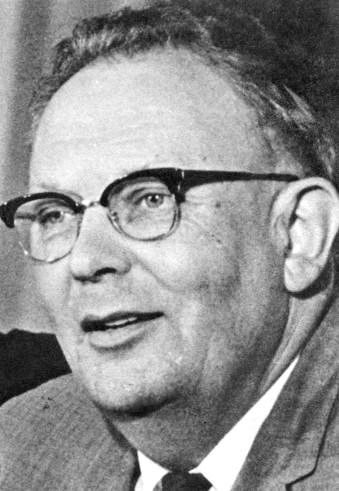 Gerard Kuiper (1933–1935)Netherlands-born American astronomer (1905–1973)
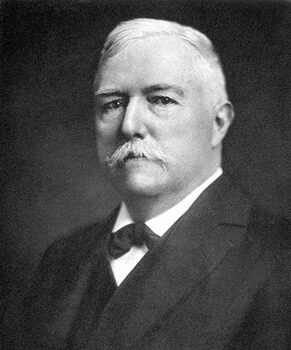 Edward Emerson Barnard (1887–1895)American astronomer and astronomical photographer (1857-1923)
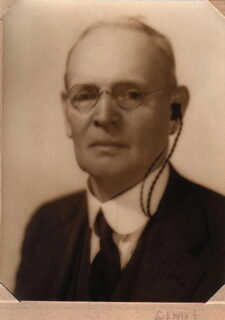 Robert Grant AitkenAmerican astronomer (1864-1951)
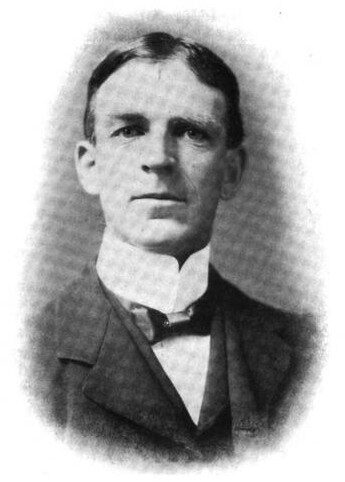 William Wallace CampbellAmerican astronomer (1862–1938)
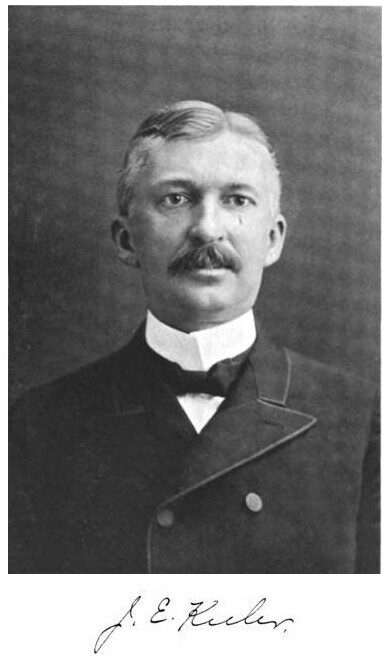 James Edward KeelerAmerican astronomer (1857–1900)
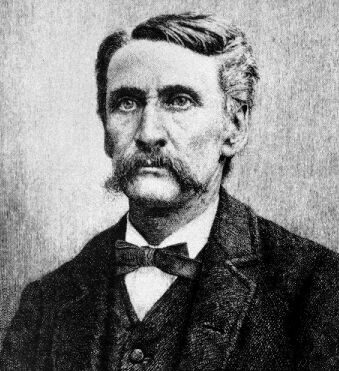 Sherburne Wesley BurnhamAmerican astronomer (1838–1921)
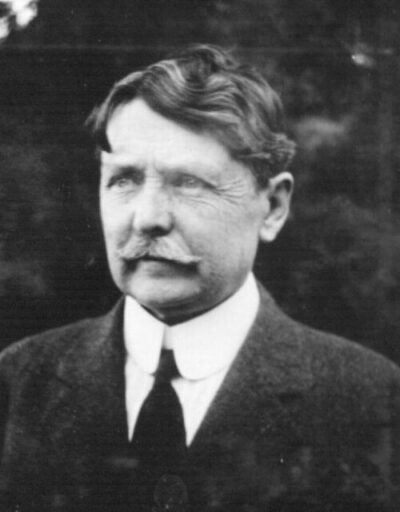 Charles Dillon PerrineAmerican astronomer (1867-1951)
- RRobert Julius TrumplerSwiss-American astronomer (1886-1956)
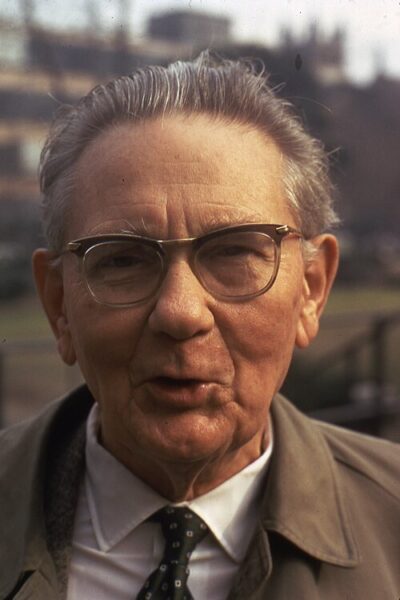 Willem Jacob LuytenDutch-American astronomer (1899–1994)
- FFrank Elmore Ross (1897–1899)American astronomer and physicist (1874–1960)
- GGeorge HerbigAmerican astronomer (1920–2013)
- CCarl A. WirtanenAmerican astronomer (1910–1990)
