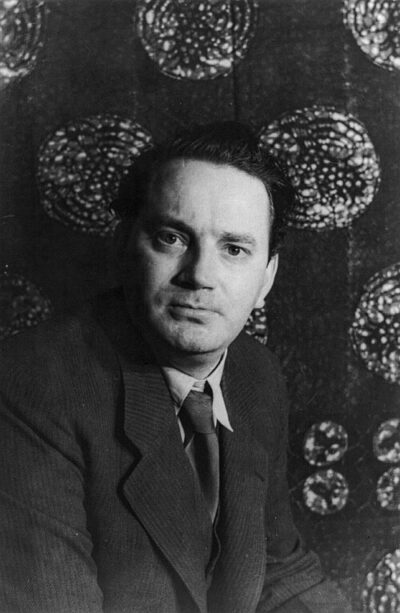
Look Homeward, Angel
Look Homeward, Angel is a novel by Thomas Wolfe. It came out in 1929. It won the 20th Century's Greatest Hits: 100 English-Language Books of Fiction.
- Published
- 1929
- Written by
- Thomas Wolfe
- Genre
- Bildungsroman
- Country of origin
- United States
All 8 facts, and where they come from
Facts
8 facts · 0 confirmed by two sources · 0 cited · 8 from one source
Where this comes from
Papalocal keeps its own record. It started from these sources; what each one said is kept here as it was copied, so a change on their side never changes this page by itself. Tap one to read its version.
What Wikidata says · copied November 16, 2026 · revision 2564825311
- Described as
- novel by Thomas Wolfe
- What it is
- literary work
- Written by
- Thomas Wolfe
- Publisher
- Charles Scribner's Sons
- Genre
- Bildungsroman
- Published
- 1929
- Language
- English
- Country of origin
- United States
- Awards
- 20th Century's Greatest Hits: 100 English-Language Books of Fiction · 1 reference
- Wikipedias with a page
- 6
Wikidata item Q6675006 (wikidata.org/wiki/Q6675006), public domain (CC0). Copied 2026-11-16.
What Wikipedia says · copied November 16, 2026 · revision 1384717599
Look Homeward, Angel: A Story of the Buried Life is a 1929 novel by Thomas Wolfe. It is Wolfe's first novel, and is considered a highly autobiographical American coming-of-age story. The character of Eugene Gant is generally believed to be a depiction of Wolfe himself. The novel briefly recounts Eugene's father's early life, but primarily covers the span of time from Eugene's birth in 1900 to his definitive departure from home at the age of 19. The setting is a fictionalization of his home town of Asheville, North Carolina, called Altamont in the novel.
A restored version of the original manuscript of Look Homeward, Angel, titled O Lost, was published in 2000.
From the Wikipedia article “Look Homeward, Angel” (en.wikipedia.org/wiki/Look_Homeward,_Angel), by its contributors, under CC BY-SA 4.0 (creativecommons.org/licenses/by-sa/4.0/). Copied 2026-11-16; not changed.
Confirmed Two sources agree. Cited One source, and it names where it got it. One source One source, without a reference of its own. Sources disagree The sources disagree. We show the best-supported value and keep theirs below.