Lorentz factor
Lorentz factor is a factor 1∕√(1−𝑣²∕𝑐²) in special relativity expressing how much the measurements of time, length etc. change for a moving object.
All 2 facts, and where they come from
Facts
2 facts · 0 confirmed by two sources · 0 cited · 2 from one source
Where this comes from
Papalocal keeps its own record. It started from these sources; what each one said is kept here as it was copied, so a change on their side never changes this page by itself. Tap one to read its version.
What Wikidata says · copied November 17, 2026 · revision 2475063466
- Described as
- factor 1∕√(1−𝑣²∕𝑐²) in special relativity expressing how much the measurements of time, length etc. change for a moving object
- Other names
- Lorentz term, relativistic gamma, gamma factor, 1∕√(1−𝑣²∕𝑐²)
- What it is
- physical theory
- Named after
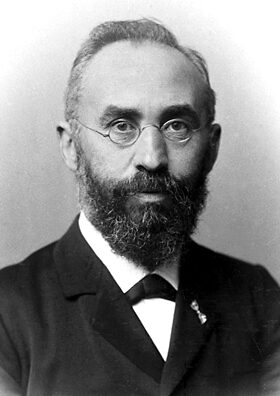
- Hendrik Lorentz
- Wikipedias with a page
- 38
Wikidata item Q599404 (wikidata.org/wiki/Q599404), public domain (CC0). Copied 2026-11-17.
What Wikipedia says · copied November 17, 2026 · revision 1382103367
The Lorentz factor or Lorentz term (also known as the gamma factor) is a dimensionless quantity expressing how much the measurements of time, length, and other physical properties change for an object while it moves. The expression appears in several equations in special relativity, and it arises in derivations of the Lorentz transformations. The name originates from its earlier appearance in Lorentzian electrodynamics – named after the Dutch physicist Hendrik Lorentz.
It is generally denoted γ (the Greek lowercase letter gamma). Sometimes (especially in discussion of superluminal motion) the factor is written as Γ (Greek uppercase-gamma) rather than γ.
From the Wikipedia article “Lorentz factor” (en.wikipedia.org/wiki/Lorentz_factor), by its contributors, under CC BY-SA 4.0 (creativecommons.org/licenses/by-sa/4.0/). Copied 2026-11-17; not changed.
Confirmed Two sources agree. Cited One source, and it names where it got it. One source One source, without a reference of its own. Sources disagree The sources disagree. We show the best-supported value and keep theirs below.