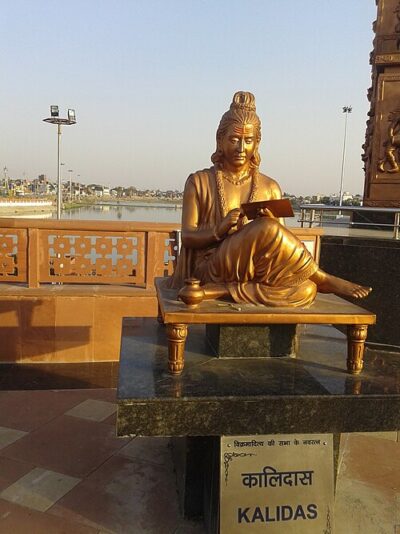
Mālavikāgnimitram
Mālavikāgnimitram is a Classical Sanskrit play by Kālidāsa.
- Written by
- Kalidasa
- Genre
- romantic drama
All 4 facts, and where they come from
Facts
4 facts · 0 confirmed by two sources · 0 cited · 4 from one source
Where this comes from
Papalocal keeps its own record. It started from these sources; what each one said is kept here as it was copied, so a change on their side never changes this page by itself. Tap one to read its version.
What Wikidata says · copied November 17, 2026 · revision 2541541057
- Described as
- Classical Sanskrit play by Kālidāsa
- Other names
- Malavikágnimitra, Mālavikāgnimitra
- What it is
- literary work
- Written by
- Kalidasa
- Genre
- romantic drama
- Language
- Sanskrit
- Wikipedias with a page
- 22
Wikidata item Q2600166 (wikidata.org/wiki/Q2600166), public domain (CC0). Copied 2026-11-17.
What Wikipedia says · copied November 17, 2026 · revision 1365126694
The Mālavikāgnimitram (Sanskrit: मालविकाग्निमित्रम्, translation : Mālavikā and Agnimitra) is a Sanskrit play by Kālidāsa. Based on some events of the reign of Pushyamitra Shunga, it is his first play.
Mālavikāgnimitram tells the story of the love of Agnimitra, the Shunga Emperor at Vidisha, for the beautiful handmaiden of his chief queen. He falls in love with the picture of an exiled servant girl named Mālavikā. He must resort to the help of his jester and play a game of subterfuge merely to look at the new girl. When the queen discovers her husband's passion for this girl, she becomes infuriated and has Mālavikā imprisoned, but as fate would have it, in the end she is discovered to be of royal birth and is accepted as one of his queens.
The play contains an account of the Rajasuya sacrifice performed by Pushyamitra Shunga and an elaborate exposition of a theory on music and acting.
From the Wikipedia article “Mālavikāgnimitram” (en.wikipedia.org/wiki/Mālavikāgnimitram), by its contributors, under CC BY-SA 4.0 (creativecommons.org/licenses/by-sa/4.0/). Copied 2026-11-17; not changed.
Confirmed Two sources agree. Cited One source, and it names where it got it. One source One source, without a reference of its own. Sources disagree The sources disagree. We show the best-supported value and keep theirs below.