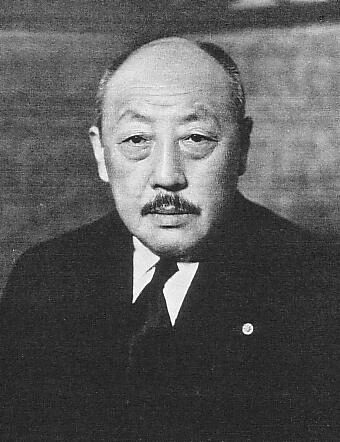
Manchukuo Concordia Association
The Manchukuo Concordia Association is a political party of Manchukuo. It was founded in 1932. Its headquarters are in Hsinking. It stands for nationalism, corporatism and Pan-Asianism.
- Country
- Manchukuo
- Founded
- July 25, 1932
- Ideology
- nationalism
- Chair
- Puyi
All 10 facts, and where they come from
Facts
10 facts · 0 confirmed by two sources · 0 cited · 10 from one source
Where this comes from
Papalocal keeps its own record. It started from these sources; what each one said is kept here as it was copied, so a change on their side never changes this page by itself. Tap one to read its version.
What Wikidata says · copied November 18, 2026 · revision 2510725964
- Described as
- political party of Manchukuo
- Other names
- Concordia Association, Kyōwakai, Concordia Association of Manchukuo
- What it is
- political party
- Founded
- July 25, 1932
- Ended
- 1945
- Headquarters
- Hsinking
- Country
- Manchukuo · 1 reference
- Chair
- Puyi
- Ideology
- nationalism; corporatism; Pan-Asianism; Third Position
- Wikipedias with a page
- 14
Wikidata item Q711904 (wikidata.org/wiki/Q711904), public domain (CC0). Copied 2026-11-18.
What Wikipedia says · copied November 18, 2026 · revision 1383487123
The Concordia Association of Manchukuo (Chinese: 滿洲國協和會; pinyin: Mǎnzhōuguó Xiéhehuì; Wade–Giles: Man³-chou¹-kuo² Hsieh²-ho-hui⁴, Shinjitai: 満州国協和会, Hepburn: Manshū-koku Kyōwakai) was a political party in Manchukuo. Established to promote the ideals of Pan-Asianism and the creation of a multi-ethnic nation-state and to create a structure which would gradually replace military rule over Manchukuo with civilian control, the party was unable to fulfill its promise, and was eventually subverted into an instrument of totalitarian state-control by the Japanese Kwantung Army.
From the Wikipedia article “Concordia Association” (en.wikipedia.org/wiki/Concordia_Association), by its contributors, under CC BY-SA 4.0 (creativecommons.org/licenses/by-sa/4.0/). Copied 2026-11-18; not changed.
Confirmed Two sources agree. Cited One source, and it names where it got it. One source One source, without a reference of its own. Sources disagree The sources disagree. We show the best-supported value and keep theirs below.
Picture: Wikimedia Commons: Manchukuo Concordia Association.JPG · See Commons file page