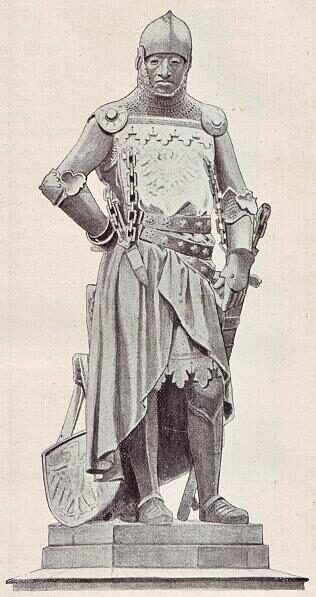
Margraviate of Brandenburg
Margraviate of Brandenburg is a Holy Roman Empire principality (1157–1806).
- Country
- Holy Roman Empire
- Created
- June 11, 1157
All 7 facts, and where they come from
Facts
7 facts · 0 confirmed by two sources · 0 cited · 7 from one source
Where this comes from
Papalocal keeps its own record. It started from these sources; what each one said is kept here as it was copied, so a change on their side never changes this page by itself. Tap one to read its version.
What Wikidata says · copied November 18, 2026 · revision 2557027001
- Described as
- Holy Roman Empire principality (1157–1806)
- Other names
- the House of Brandenburg, Kurfürstentum Brandenburg, Kurfurstentum Brandenburg
- What it is
- electoral principate; state in the Holy Roman Empire; historical country (1806–)
- Followed by
- Province of Brandenburg
- Created
- June 11, 1157
- Ended
- 1806
- Country
- Holy Roman Empire
- Wikipedias with a page
- 54
Wikidata item Q148499 (wikidata.org/wiki/Q148499), public domain (CC0). Copied 2026-11-18.
What Wikipedia says · copied November 18, 2026 · revision 1384142498
The Margraviate of Brandenburg (German: Markgrafschaft Brandenburg) was a major principality of the Holy Roman Empire from 1157 to 1806. Though initially an underdeveloped and economically modest territory, Brandenburg held electoral status within the Empire. Facing land division with Küstrin as recent as middle in the 16th century, it then quickly reunited and grew rapidly in importance after inheriting the Duchy of Prussia in 1618. Brandenburg came to play a pivotal role in both German and European history as the core of the Prussian kingdom.
Brandenburg developed out of the Northern March, founded in the territory of the Slavic Wends. It derived one of its names from this inheritance, the March of Brandenburg (Mark Brandenburg). Its ruling margraves were established as prestigious prince-electors in the Golden Bull of 1356, allowing them to vote in the election of the Holy Roman Emperor. The state thus became additionally known as Electoral Brandenburg or the Electorate of Brandenburg (Kurbrandenburg or Kurfürstentum Brandenburg).
The House of Hohenzollern came to the throne of Brandenburg in 1415. In 1417, Frederick I moved its capital from Brandenburg an der Havel to Berlin. By 1535, the electorate had an area of some 10,000 square miles (26,000 km2) and a population of 400,000. Under Hohenzollern leadership, Brandenburg grew rapidly in power during the 17th century and inherited the Duchy of Prussia. The resulting Brandenburg-Prussia was the predecessor of the Kingdom of Prussia, which became a leading German state during the 18th century. Although the electors' highest title was "King in/of Prussia", their power base remained in Brandenburg and its capital, Berlin.
The Margraviate of Brandenburg ended with the dissolution of the Holy Roman Empire in 1806. It was replaced after the Napoleonic Wars with the Prussian Province of Brandenburg in 1815. The Hohenzollern Kingdom of Prussia was the primary driving force behind the unification of Germany. The Prussian-dominated North German Confederation later transformed in 1871 into the German Empire; it was the legal predecessor of the united German Reich of 1871–1945, and as such a direct ancestor of the present-day Federal Republic of Germany,
From the Wikipedia article “Margraviate of Brandenburg” (en.wikipedia.org/wiki/Margraviate_of_Brandenburg), by its contributors, under CC BY-SA 4.0 (creativecommons.org/licenses/by-sa/4.0/). Copied 2026-11-18; not changed.
Confirmed Two sources agree. Cited One source, and it names where it got it. One source One source, without a reference of its own. Sources disagree The sources disagree. We show the best-supported value and keep theirs below.
People connected 11
Citizen of
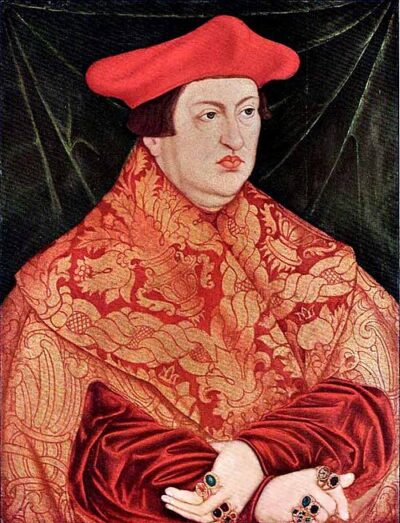 Albert of MainzGerman elector and cardinal (1490-1545)
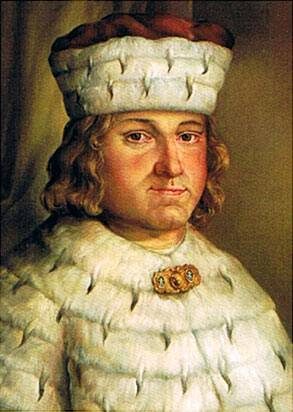 Frederick I, Elector of Brandenburg1371 – 1440, Burgrave of Nuremberg as Frederick VI and Elector of Brandenburg as Frederick I
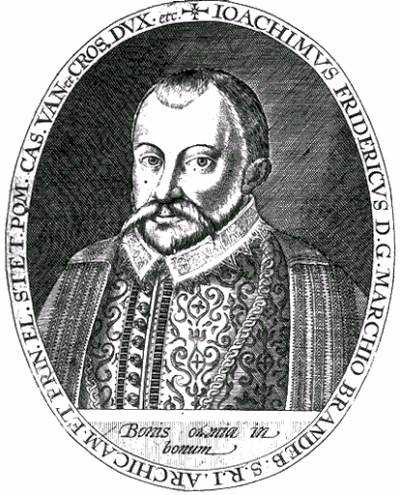 Joachim Frederick, Elector of BrandenburgElector of Brandenburg
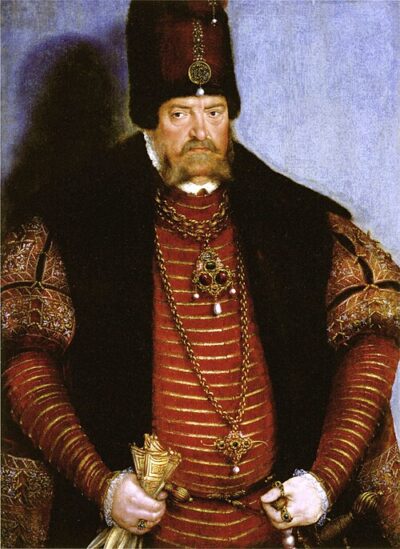 Joachim II Hector, Elector of BrandenburgElector of Brandenburg (1505-1571)
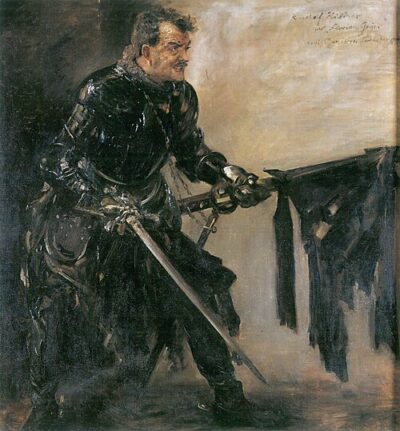 Florian GeyerGerman knight,diplomat and peasant leader in the German Peasants' War
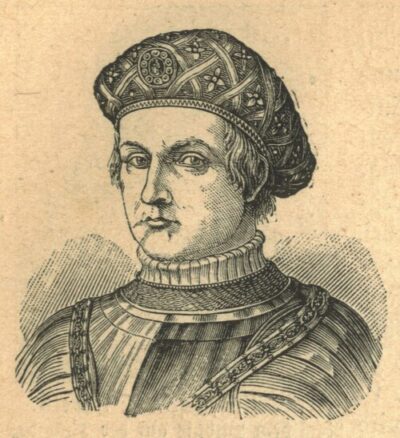 Frederick II, Elector of BrandenburgPrince-elector of the Margraviate of Brandenburg from 1440
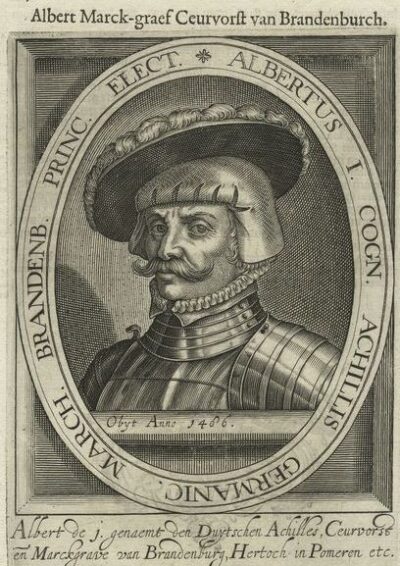 Albrecht III Achilles, Elector of BrandenburgElector of Brandenburg
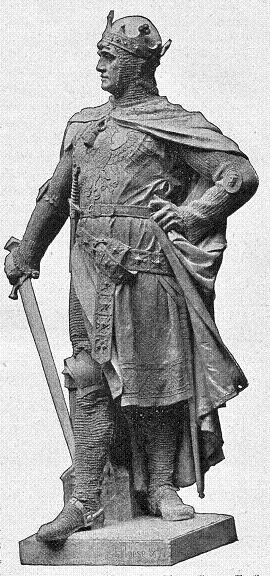 Albert II, Margrave of BrandenburgMargrave of Brandenburg from 1205 to 1220
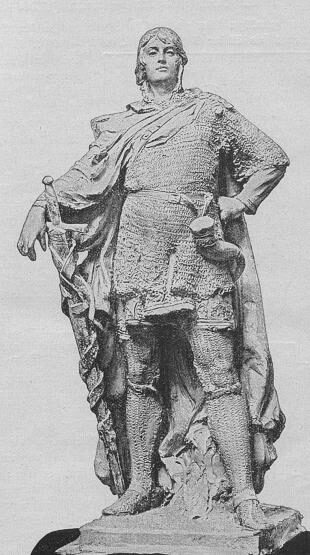 Otto IMargrave of Brandenburg from 1170 to 1184
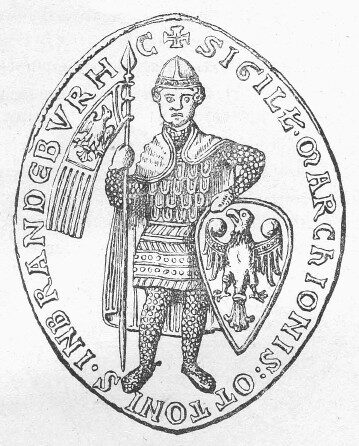 Otto II, Margrave of BrandenburgMargrave of Brandenburg from 1184 to 1205