
Master of the Mint
Master of the Mint is a Head of the Mint in Commonwealth countries.
All 2 facts, and where they come from
Facts
2 facts · 0 confirmed by two sources · 0 cited · 2 from one source
Where this comes from
Papalocal keeps its own record. It started from these sources; what each one said is kept here as it was copied, so a change on their side never changes this page by itself. Tap one to read its version.
What Wikidata says · copied November 17, 2026 · revision 2348761352
- Described as
- Head of the Mint in Commonwealth countries
- What it is
- position
- Ended
- 1879
- Wikipedias with a page
- 4
Wikidata item Q6785312 (wikidata.org/wiki/Q6785312), public domain (CC0). Copied 2026-11-17.
What Wikipedia says · copied November 17, 2026 · revision 1384724041
Master of the Mint is a title within the Royal Mint given to the most senior person responsible for its operation. It was an office in the governments of Scotland and England, and later Great Britain and then the United Kingdom, between the 16th and 19th centuries. Until 1699, the appointment was usually for life. Its holder occasionally sat in the cabinet.
During the interregnum (1643–1660), the last Master of the Mint to Charles I, Sir Robert Harley, transferred his allegiance to Parliament and remained in office. After his death in 1656, Aaron Guerdon was appointed.
In 1870 the role was amalgamated into the office of the Chancellor of the Exchequer, making the Chancellor, by virtue of his position, the Master of the Mint. The duty of running the mint was given to the Deputy Master of the Mint; who is now the mint's Chief Executive.
From the Wikipedia article “Master of the Mint” (en.wikipedia.org/wiki/Master_of_the_Mint), by its contributors, under CC BY-SA 4.0 (creativecommons.org/licenses/by-sa/4.0/). Copied 2026-11-17; not changed.
Confirmed Two sources agree. Cited One source, and it names where it got it. One source One source, without a reference of its own. Sources disagree The sources disagree. We show the best-supported value and keep theirs below.
People connected 4
Held this office
 Thomas Graham (1855–1869)British chemist (1805–1869)
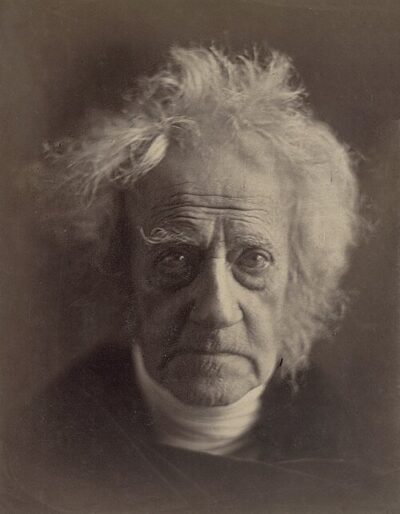 John Frederick William Herschel (1850–1855)English polymath, mathematician, astronomer, chemist, inventor and photographer (1792–1871)
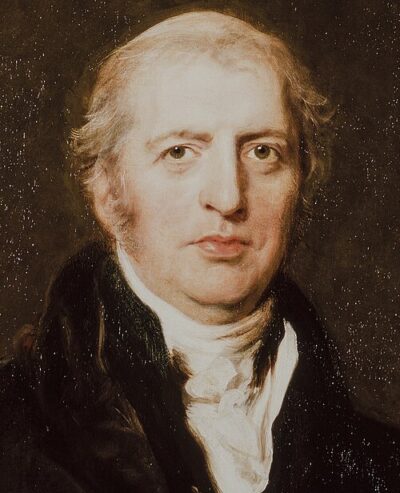 Robert Jenkinson, 2nd Earl of Liverpool (1799–1801)Prime Minister of the United Kingdom from 1812 to 1827
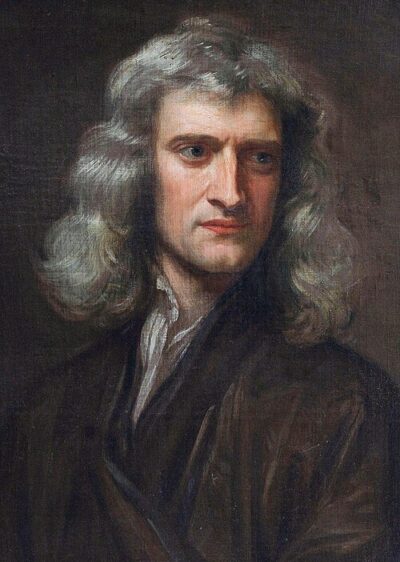 Isaac Newton (1700–1727)English mathematician and physicist (1642–1727)
