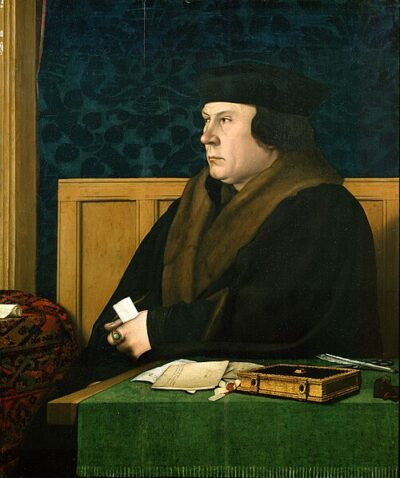
Master of the Rolls
Master of the Rolls is a Second most senior judge in England and Wales. It was created in 1286.
- Created
- September 2, 1286
All 3 facts, and where they come from
Facts
3 facts · 0 confirmed by two sources · 0 cited · 3 from one source
Where this comes from
Papalocal keeps its own record. It started from these sources; what each one said is kept here as it was copied, so a change on their side never changes this page by itself. Tap one to read its version.
What Wikidata says · copied November 17, 2026 · revision 2569463544
- Described as
- Second most senior judge in England and Wales
- Other names
- Keeper of the Rolls, Keeper fo the Rolls and Records of the Chancery of England, Master of the Rolls and Records of the Chancery of England, MR
- What it is
- position
- Created
- September 2, 1286
- Official website
- http://www.judiciary.gov.uk/index.htm
- Wikipedias with a page
- 11
Wikidata item Q1753754 (wikidata.org/wiki/Q1753754), public domain (CC0). Copied 2026-11-17.
What Wikipedia says · copied November 17, 2026 · revision 1383637658
The Keeper or Master of the Rolls and Records of the Chancery of England, known as the Master of the Rolls, is the President of the Civil Division of the Court of Appeal of England and Wales and Head of Civil Justice. As a judge, the Master of the Rolls is second in seniority in England and Wales only to the Lord Chief Justice. The position dates from at least 1286, although it is believed that the office probably existed earlier than that.
The Master of the Rolls was initially a clerk responsible for keeping the "Rolls" or records of the Court of Chancery, and was known as the Keeper of the Rolls of Chancery. The Keeper was the most senior of the dozen Chancery clerks, and as such occasionally acted as keeper of the Great Seal of the Realm. The post evolved into a judicial one as the Court of Chancery did; the first reference to judicial duties dates from 1520. With the Judicature Act 1873, which merged the Court of Chancery with the other major courts, the Master of the Rolls joined the Chancery Division of the High Court and the Court of Appeal, but left the Chancery Division by the terms of the Judicature Act 1881. The Master of the Rolls had also been warden of the little-used Domus Conversorum for housing Jewish converts, which led to the house and chapel being used to store legal documents and later becoming the location of the Public Record Office. He retained his clerical functions as the nominal head of the Public Record Office until the Public Records Act 1958 transferred responsibility for it to the Lord Chancellor. One residual reminder of this role is the fact that the Master of the Rolls of the day continues to serve, ex officio, as President of the British Records Association. The Master of the Rolls was also previously responsible for registering solicitors, the officers of the Senior Courts.
One of the most prominent people to hold the position was Thomas Cromwell, a highly influential figure during the reign of Henry VIII; more recently, Lord Denning held the position for 20 years, from 1962 to 1982, and made sweeping changes in the common law. The current Master of the Rolls is Sir Colin Birss, who took office in November 2026.
From the Wikipedia article “Master of the Rolls” (en.wikipedia.org/wiki/Master_of_the_Rolls), by its contributors, under CC BY-SA 4.0 (creativecommons.org/licenses/by-sa/4.0/). Copied 2026-11-17; not changed.
Confirmed Two sources agree. Cited One source, and it names where it got it. One source One source, without a reference of its own. Sources disagree The sources disagree. We show the best-supported value and keep theirs below.