Meshes of the Afternoon
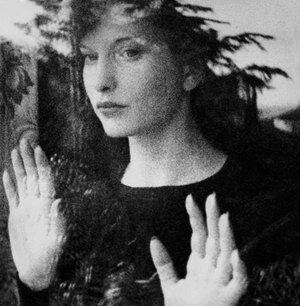
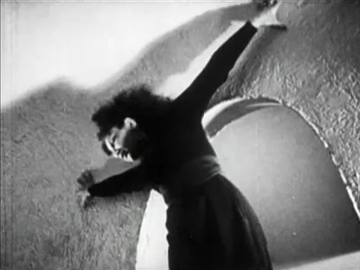
Meshes of the Afternoon is a 1943 short film directed by Maya Deren and Alexandr Hackenschmied.
- Released
- 1943
- Directed by
- Maya Deren
- Created by
- Maya Deren
- Genre
- avant-garde
- Country of origin
- United States
All 14 facts, and where they come from
Facts
14 facts · 0 confirmed by two sources · 1 cited · 13 from one source
Where this comes from
Papalocal keeps its own record. It started from these sources; what each one said is kept here as it was copied, so a change on their side never changes this page by itself. Tap one to read its version.
What Wikidata says · copied November 17, 2026 · revision 2562846370
- Described as
- 1943 short film directed by Maya Deren and Alexandr Hackenschmied
- What it is
- short film
- Directed by
- Maya Deren; Alexandr Hackenschmied
- Created by
- Maya Deren · 1 reference
- Music by
- Teiji Ito
- Screenplay by
- Maya Deren
- Produced by
- Maya Deren
- Starring
- Maya Deren
- Genre
- avant-garde; silent film; experimental film · 1 reference
- Released
- 1943
- Language
- English · 1 reference
- Country of origin
- United States
- Wikipedias with a page
- 22
Wikidata item Q1922418 (wikidata.org/wiki/Q1922418), public domain (CC0). Copied 2026-11-17.
What Wikipedia says · copied November 17, 2026 · revision 1384017592
Meshes of the Afternoon is a 1943 American silent experimental thriller short film directed by and starring married couple Maya Deren and Alexandr Hackenschmied. Deren also wrote, produced, and edited it, whilst Hackenschmied served as director of photography. In 1990, the film was selected for preservation in the United States National Film Registry by the Library of Congress for its cultural and historical significance. It is in the public domain in the United States due to being published without a copyright notice.
From the Wikipedia article “Meshes of the Afternoon” (en.wikipedia.org/wiki/Meshes_of_the_Afternoon), by its contributors, under CC BY-SA 4.0 (creativecommons.org/licenses/by-sa/4.0/). Copied 2026-11-17; not changed.
Confirmed Two sources agree. Cited One source, and it names where it got it. One source One source, without a reference of its own. Sources disagree The sources disagree. We show the best-supported value and keep theirs below.
Picture: Maya Deren (1917–1961), via Wikimedia Commons · Public domain