
National-Social Association
The National-Social Association is a German political party in the German Empire with nationalist, social reformist and liberal agenda (1896-1903). Its headquarters are in Leipzig. It stands for Christian socialism, social liberalism and nationalism.
- Country
- Germany
- Founded
- 1896
- Ideology
- Christian socialism
All 9 facts, and where they come from
Facts
9 facts · 0 confirmed by two sources · 0 cited · 9 from one source
Where this comes from
Papalocal keeps its own record. It started from these sources; what each one said is kept here as it was copied, so a change on their side never changes this page by itself. Tap one to read its version.
What Wikidata says · copied November 17, 2026 · revision 2556074064
- Described as
- German political party in the German Empire with nationalist, social reformist and liberal agenda (1896-1903)
- Other names
- Nationalsozialer Verein, NSV
- What it is
- former liberal party; political party in Germany
- Founded
- 1896
- Ended
- 1903
- Headquarters
- Leipzig · 1 reference
- Country
- Germany
- Ideology
- Christian socialism; social liberalism; nationalism
- Wikipedias with a page
- 11
Wikidata item Q339110 (wikidata.org/wiki/Q339110), public domain (CC0). Copied 2026-11-17.
What Wikipedia says · copied November 17, 2026 · revision 1359597049
The National-Social Association (German: Nationalsozialer Verein, NSV) was a political party in the German Empire, founded in 1896 by Friedrich Naumann. It sought to synthesise liberalism, nationalism and non-Marxist socialism with Protestant Christian values in order to cross the ideological front lines and draw workers away from Marxist class struggle. However, it never grew beyond a minor party of intellectuals which failed to gain mass support in elections.
From the Wikipedia article “National-Social Association” (en.wikipedia.org/wiki/National-Social_Association), by its contributors, under CC BY-SA 4.0 (creativecommons.org/licenses/by-sa/4.0/). Copied 2026-11-17; not changed.
Confirmed Two sources agree. Cited One source, and it names where it got it. One source One source, without a reference of its own. Sources disagree The sources disagree. We show the best-supported value and keep theirs below.
People connected 4
Party members
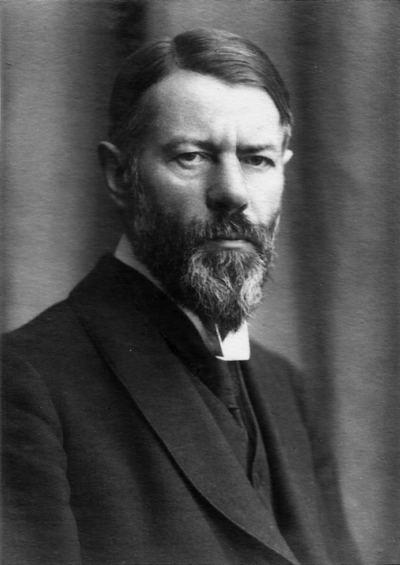 Max WeberGerman sociologist, philosopher, and political economist (1864–1920)
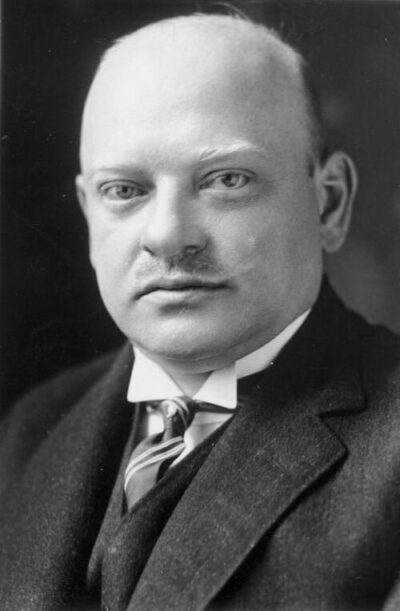 Gustav StresemannGerman politician, statesman, and Nobel Peace Prize laureate (1878-1929)
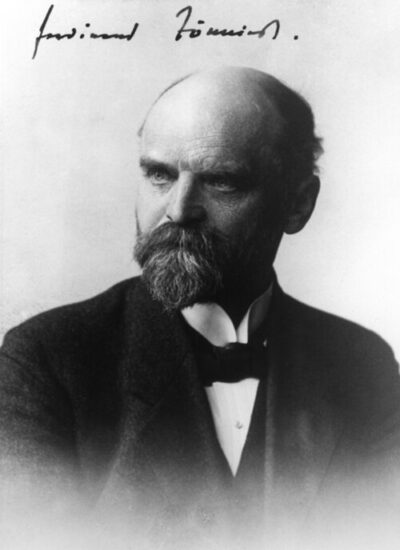 Ferdinand TönniesGerman sociologist, economist and philosopher (1855–1936)
- HHeinrich Gelzerclassical philologist and historian (1847-1906)
