National Union Party
The National Union Party is a 1864–1868 Republican and Unionist political alliance. Its headquarters are in Washington, D.C. It stands for abolitionism and abolitionism in the United States.
- Country
- United States
- Founded
- 1864
- Ideology
- abolitionism
- Chair
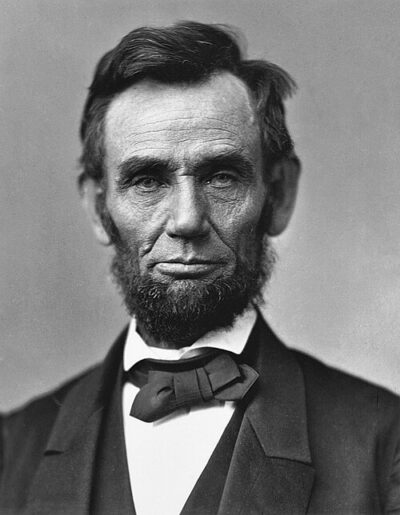
- Abraham Lincoln
All 9 facts, and where they come from
Facts
9 facts · 0 confirmed by two sources · 0 cited · 9 from one source
Where this comes from
Papalocal keeps its own record. It started from these sources; what each one said is kept here as it was copied, so a change on their side never changes this page by itself. Tap one to read its version.
What Wikidata says · copied November 16, 2026 · revision 2551624501
- Described as
- 1864–1868 Republican and Unionist political alliance
- Other names
- Union Party
- What it is
- political party
- Comes after
- Constitutional Union Party
- Founded
- 1864
- Ended
- 1868
- Headquarters
- Washington, D.C. · 1 reference
- Country
- United States
- Chair
- Abraham Lincoln
- Ideology
- abolitionism; abolitionism in the United States · 1 reference
- Wikipedias with a page
- 21
Wikidata item Q80719 (wikidata.org/wiki/Q80719), public domain (CC0). Copied 2026-11-16.
What Wikipedia says · copied November 16, 2026 · revision 1382815721
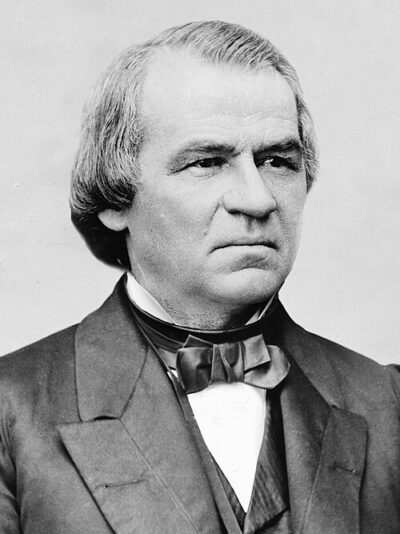
The National Union Party, commonly known as the Union Party, and sometimes as the Republican–Union coalition, was a coalition of Republicans, War Democrats, and Unconditional Unionists that supported the Lincoln administration during the American Civil War. It held the 1864 National Union Convention that nominated Abraham Lincoln for president and Andrew Johnson for vice president in the 1864 United States presidential election. Following Lincoln's assassination, Johnson tried and failed to sustain the Union Party as a vehicle for his presidential ambitions. The party did not contest the 1868 United States elections, but the Republican Party continued to use the "Union" label in subsequent elections.
Lincoln won the 1860 United States presidential election, polling 180 electoral votes and 53 percent of the popular vote in the free states; opposition to Lincoln was divided, with most northern Democrats voting for the Illinois senator Stephen Douglas. Following his inauguration, Lincoln sought support from Douglas Democrats and Southern Unionists for his wartime policies. He encouraged the formation of bipartisan Union coalitions in the loyal states that replaced the Republican Party throughout much of the North. Besides allowing voters of diverse pre-war partisan allegiances to act collectively, the Union label served a valuable propaganda purpose by implying the coalition's opponents were dis-unionists.
The preeminent policy of the Union Party was the preservation of the Union by the prosecution of the war to its ultimate conclusion. They rejected proposals for a negotiated peace as humiliating and ultimately ruinous to the authority of the national government. The party's 1864 platform called for the abolition of slavery by constitutional amendment, a "liberal and just" immigration policy, completion of the transcontinental railroad, and condemned the French intervention in Mexico as dangerous to republicanism.
From the Wikipedia article “National Union Party (United States)” (en.wikipedia.org/wiki/National_Union_Party_(United_States)), by its contributors, under CC BY-SA 4.0 (creativecommons.org/licenses/by-sa/4.0/). Copied 2026-11-16; not changed.
Confirmed Two sources agree. Cited One source, and it names where it got it. One source One source, without a reference of its own. Sources disagree The sources disagree. We show the best-supported value and keep theirs below.