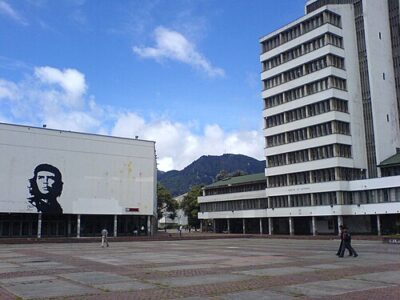
National University of Colombia
The National University of Colombia is a Colombian public university. It was founded in 1867. Its headquarters are in Bogotá. 54,284 students study there (2014).
- Located in
- Bogotá
- Country
- Colombia
- Founded
- September 22, 1867
- Students
- 54,284 (2014)
- What it is
- public university
All 9 facts, and where they come from
Facts
9 facts · 0 confirmed by two sources · 3 cited · 6 from one source
Where this comes from
Papalocal keeps its own record. It started from these sources; what each one said is kept here as it was copied, so a change on their side never changes this page by itself. Tap one to read its version.
What Wikidata says · copied November 16, 2026 · revision 2544718140
- Described as
- Colombian public university
- Other names
- Unal, UN, Universidad Nacional, Universidad Nacional de Colombia, u.n.c
- What it is
- public university; open-access publisher · 1 reference
- Founded
- September 22, 1867
- Headquarters
- Bogotá
- Located in
- Bogotá
- Country
- Colombia · 3 references
- Part of
- National University of Colombia · 1 reference
- Students
- 54,284 (2014)
- Official website
- https://unal.edu.co/ · 1 reference
- Wikipedias with a page
- 25
Wikidata item Q1150419 (wikidata.org/wiki/Q1150419), public domain (CC0). Copied 2026-11-16.
What Wikipedia says · copied November 16, 2026 · revision 1359848165
The National University of Colombia (Spanish: Universidad Nacional de Colombia) is a national public research university in Colombia, with general campuses in Bogotá, Medellín, Manizales and Palmira, and satellite campuses in Leticia, San Andrés, Arauca, Tumaco, and La Paz, Cesar.
Established in 1867 by an act of the Congress of Colombia, it is one of the largest universities in the country, with more than 53,000 students. The university grants academic degrees and offers 450 academic programmes, including 95 undergraduate degrees, 83 academic specializations, 40 medical specialties, 167 master's degrees, and 65 doctorates. Approximately 44,000 students are enrolled for an undergraduate degree and 8,000 for a postgraduate degree. It is also one of the few universities that employs postdoctorate fellows in the country.
The university is a member of the Association of Colombian Universities (ASCUN), the Iberoamerican Association of Postgraduate Universities (AUIP), and the Iberoamerican University Network Universia. Along with Antioquia and Valle universities, it is part of what is known as the Golden Triangle of higher education in Colombia, being among the most selective and competitive universities in the country.
The SCImago Institutions Rankings Iber by SCImago Research Group found that the National University of Colombia produced the largest number of scientific papers published in peer-refereed publications in the country, and was the 17th (14th in 2018) most prolific in Latin America. Furthermore, according to the Latin-American Web Ranking of Universities, the National University of Colombia ranks first place in internet presence in the country. As of June 2025, it is also among the ninth best university in Latin America. Among the universities of CIVETS countries, the National University occupied second place. Globally, the university was ranked #243, and #10 in Latin America by the QS World University Rankings in 2023, placing #2 in Colombia.
The institution offers a wide selection of programmes in both undergraduate and graduate levels, such as medicine, nursing, dentistry, engineering, chemistry, pharmacy, mathematics, physics, geology, biology, psychology, social sciences, arts (music, fine arts), languages, philosophy, and law. It was the first university in Colombia to open a computer science postgraduate program in 1967.
From the Wikipedia article “National University of Colombia” (en.wikipedia.org/wiki/National_University_of_Colombia), by its contributors, under CC BY-SA 4.0 (creativecommons.org/licenses/by-sa/4.0/). Copied 2026-11-16; not changed.
Confirmed Two sources agree. Cited One source, and it names where it got it. One source One source, without a reference of its own. Sources disagree The sources disagree. We show the best-supported value and keep theirs below.
Picture: Rubashkyn, via Wikimedia Commons · CC BY-SA 3.0
People connected 14
Studied here
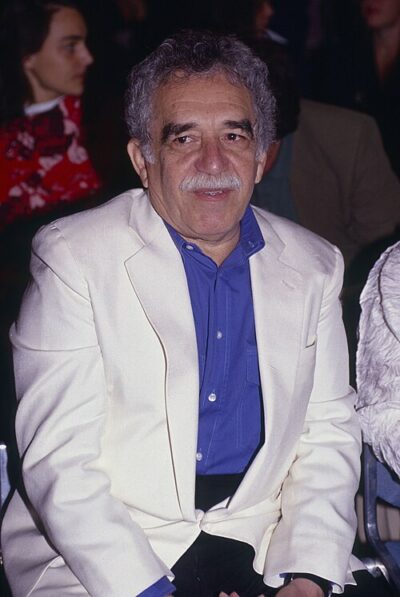 Gabriel García MárquezColombian writer and Nobel laureate (1927–2014)
 Sofía VergaraColombian-American actress and model (born 1972)
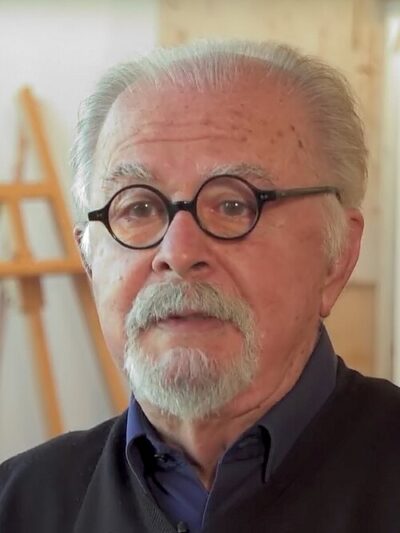 Fernando BoteroColombian painter and sculptor (1932–2023)
 Virgilio Barco VargasPresident of Colombia (1986-1990)
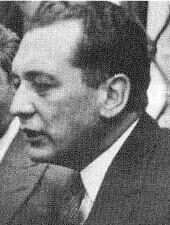 Laureano GómezPresident of Colombia (1889-1965)
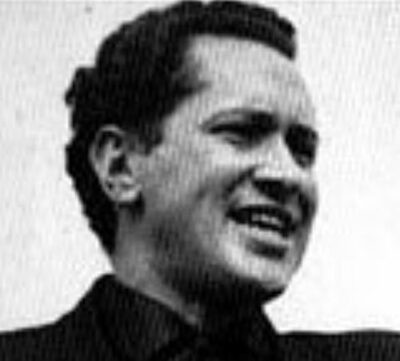
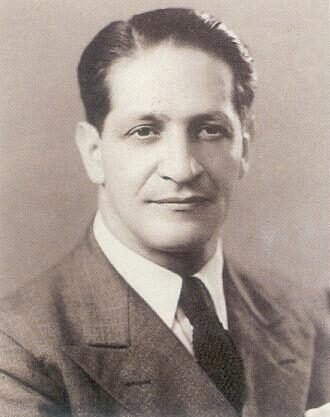 Jorge Eliécer Gaitán AyalaColombian politician (1903-1948)
 Carlos Lleras RestrepoPresident of Colombia (1908-1994)
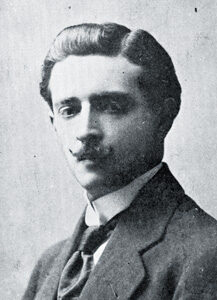 José Eustacio RiveraColombian writer, politician and diplomat (1888–1928)
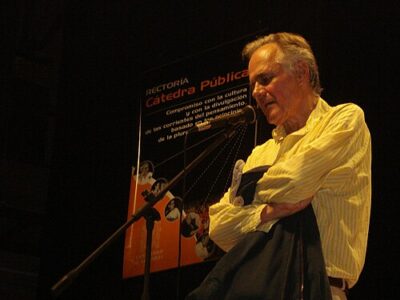 Fernando VallejoColombian writer
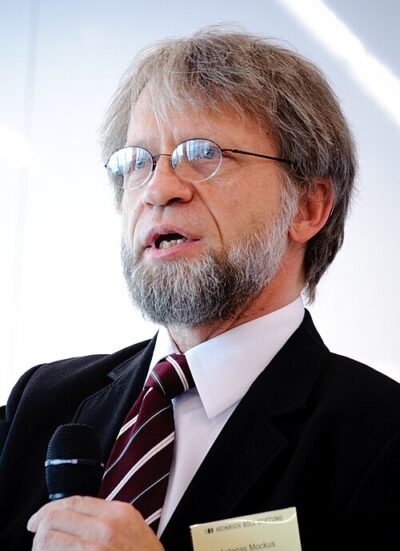 Antanas MockusColombian politician, educator
 Eduardo SantosColombian lawyer, politician, and journalist (1888-1974)
 Alfonso CanoColombian revolutionary (1948–2011)
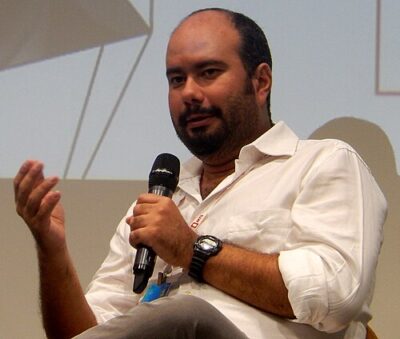 Ciro GuerraColombian film director and screenwriter