
Nebula Award for Best Novella
Nebula Award for Best Novella is a literary award. It was created in 1966. It is given by the Science Fiction and Fantasy Writers Association.
- Given by
- Science Fiction and Fantasy Writers Association
- Country
- United States
- Created
- 1966
All 6 facts, and where they come from
Facts
6 facts · 0 confirmed by two sources · 0 cited · 6 from one source
Where this comes from
Papalocal keeps its own record. It started from these sources; what each one said is kept here as it was copied, so a change on their side never changes this page by itself. Tap one to read its version.
What Wikidata says · copied November 16, 2026 · revision 2514488016
- Described as
- literary award
- What it is
- literary award; class of award
- Created
- 1966
- Country
- United States
- Given by
- Science Fiction and Fantasy Writers Association
- Official website
- https://nebulas.sfwa.org/
- Wikipedias with a page
- 15
Wikidata item Q1086189 (wikidata.org/wiki/Q1086189), public domain (CC0). Copied 2026-11-16.
What Wikipedia says · copied November 16, 2026 · revision 1381621498
The Nebula Award for Best Novella is given each year by the Science Fiction and Fantasy Writers Association (SFWA) for science fiction or fantasy novellas. A work of fiction is defined by the organization as a novella if it is between 17,500 and 40,000 words; awards are also given out for pieces of longer lengths in the novel category, and for shorter lengths in the short story and novelette categories. To be eligible for Nebula Award consideration, a novella must be published in English in the United States. Works published in English elsewhere in the world are also eligible, provided they are released on either a website or in an electronic edition. The Nebula Award for Best Novella has been awarded annually since 1966. Novellas published by themselves are eligible for the novel award instead, if the author requests them to be considered as such. The award has been described as one of "the most important of the American science fiction awards" and "the science-fiction and fantasy equivalent" of the Emmy Awards.
Nebula Award nominees and winners are selected by members of SFWA, although the authors of the nominees are not required to be members themselves. Each year, works are nominated by SFWA members during a period typically spanning from December 15 to January 31. The six works receiving the most nominations proceed to the final ballot, with additional nominees considered in the event of ties. Subsequently, members have about a month to vote on the final ballot, and the winners are announced at the Nebula Awards ceremony held in May. Authors are not permitted to nominate their own works, and ties in the final vote are broken, if possible, by the number of nominations the works received. The rules were changed to their current format in 2009. Previously, the eligibility period for nominations was defined as one year after the publication date of the work, which allowed the possibility for works to be nominated in the calendar year after their publication and then be awarded in the calendar year after that. Works were added to a preliminary list for the year if they had ten or more nominations, which were then voted on to create a final ballot, to which the SFWA organizing panel was also allowed to add an additional work.
During the 61 nomination years, 210 authors have had works nominated; 57 of these have won, including co-authors and ties. Nancy Kress has won the most awards: four out of eight nominations. Robert Silverberg, John Varley, and Roger Zelazny have each won twice out of eight, two, and three nominations, respectively. Silverberg's and Kress's eight nominations are the most of any authors, followed by Lucius Shepard and Michael Bishop at seven, and Kate Wilhelm and Avram Davidson with six. Bishop has the most nominations without receiving an award for novellas, though Wilhelm and Davidson have also not won an award.
From the Wikipedia article “Nebula Award for Best Novella” (en.wikipedia.org/wiki/Nebula_Award_for_Best_Novella), by its contributors, under CC BY-SA 4.0 (creativecommons.org/licenses/by-sa/4.0/). Copied 2026-11-16; not changed.
Confirmed Two sources agree. Cited One source, and it names where it got it. One source One source, without a reference of its own. Sources disagree The sources disagree. We show the best-supported value and keep theirs below.
People connected 30
Won it 30
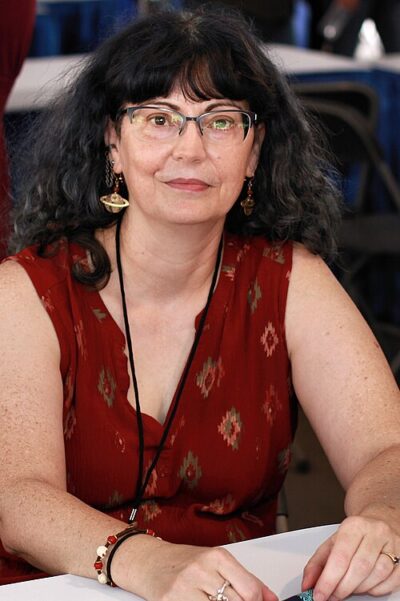 Martha Wells (2018)American science fiction and fantasy author born in Fort Worth, Texas 1964
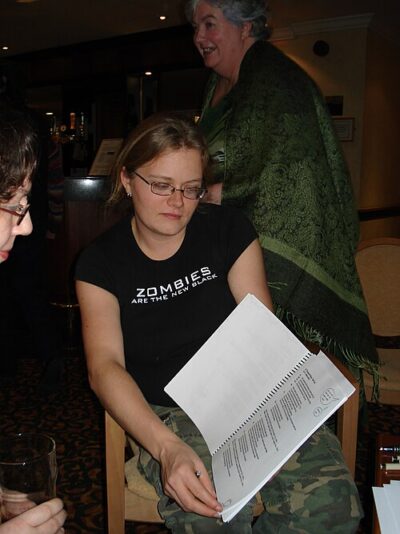 Seanan McGuire (2017)American writer
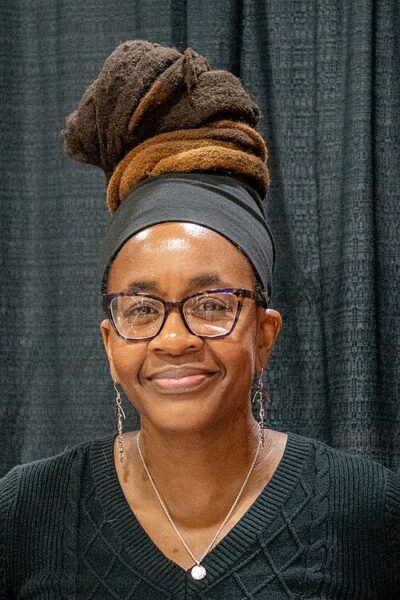 Nnedi Okorafor (2016)Nigerian-American writer of fantasy, science fiction, and comics (born 1974)
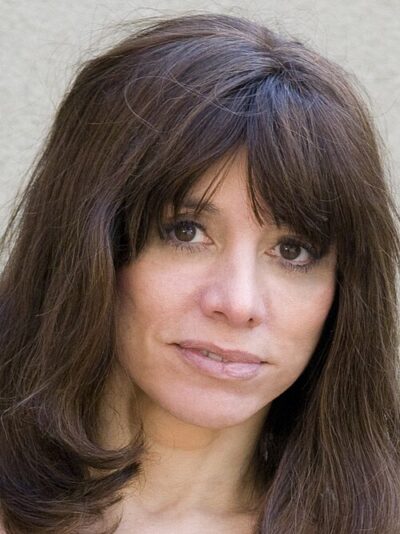 Catherine Asaro (2009)American science-fiction writer
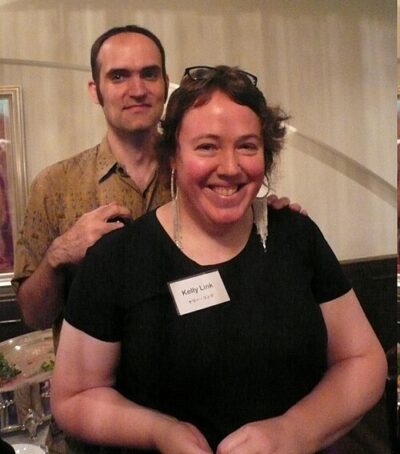 Kelly Link (2006)American writer
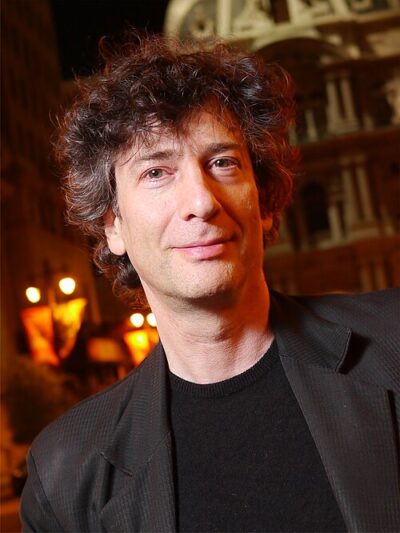 Neil Gaiman (2004)English writer (born 1960)
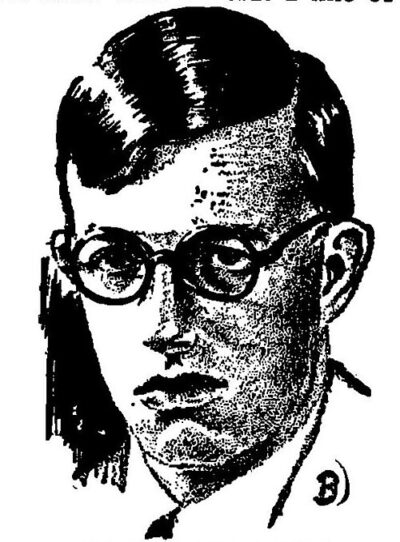 Jack Williamson (2002)American science fiction writer (1908–2006)
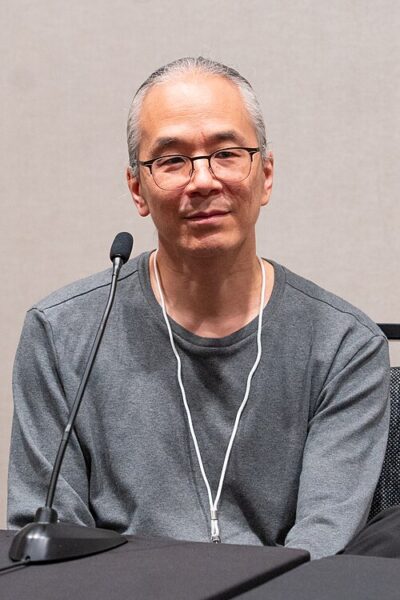 Ted Chiang (2000)American science fiction writer
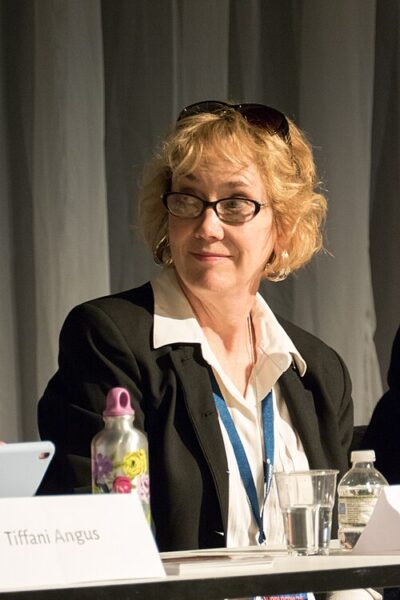 Elizabeth Hand (1996)American writer
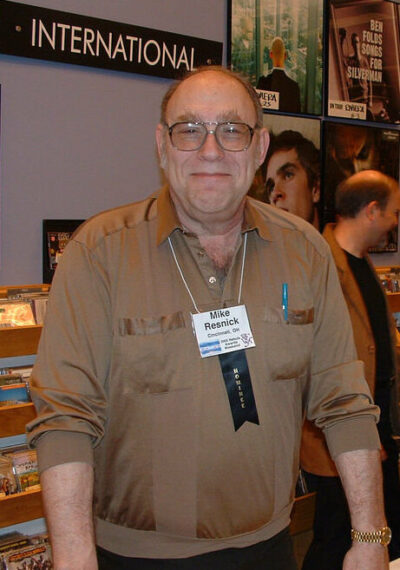 Mike Resnick (1995)American writer (1942-2020)
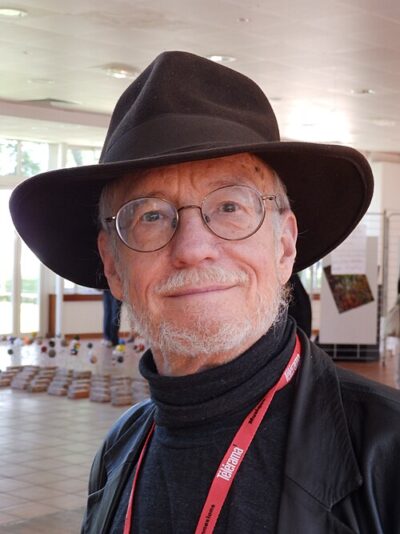 James Morrow (1993)American author
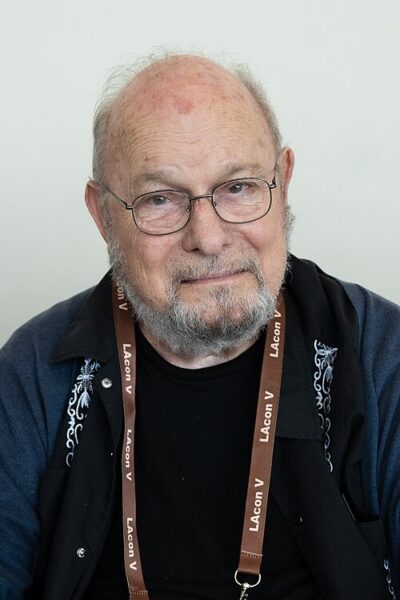 Joe Haldeman (1991)American science fiction writer
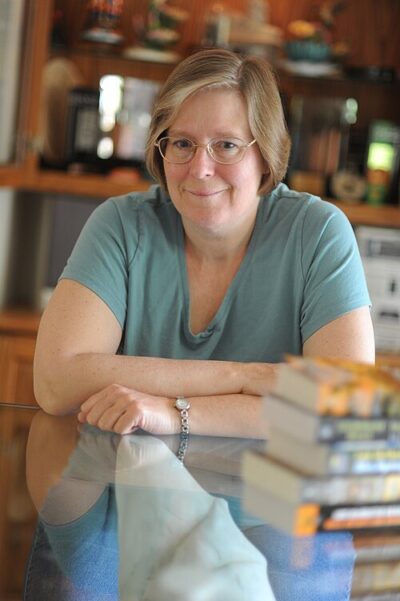 Lois McMaster Bujold (1990)American novelist (born 1949)
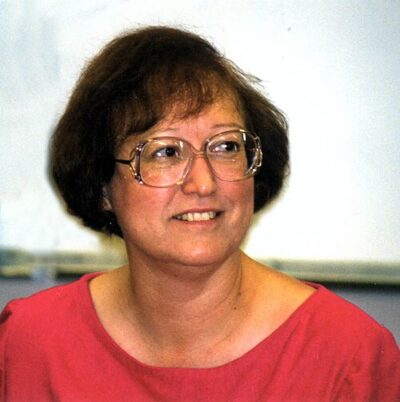 Connie Willis (1989)American science fiction writer
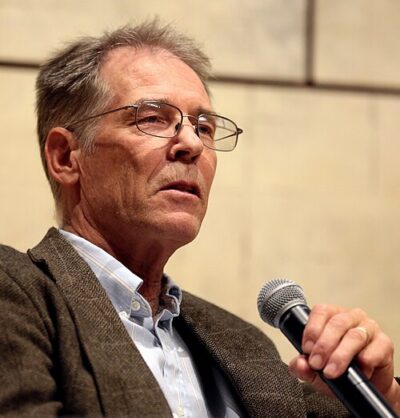 Kim Stanley Robinson (1988)American science fiction writer (born 1952)
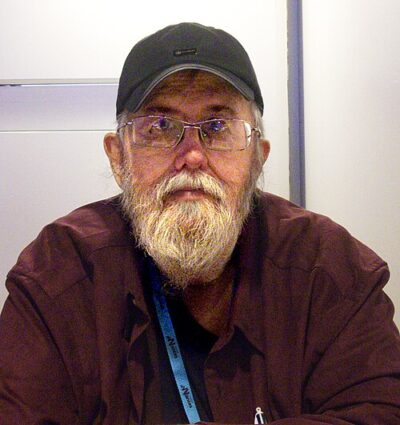 Lucius Shepard (1987)American writer (1943–2014)
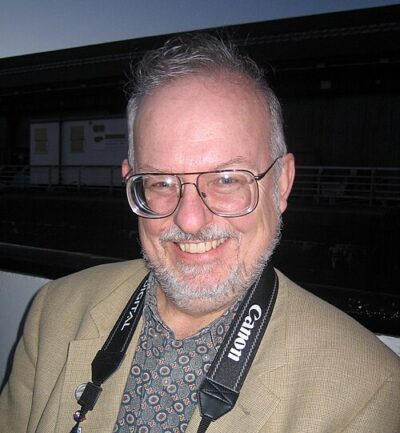 Greg Bear (1984)American writer best known for science fiction (1951–2022)
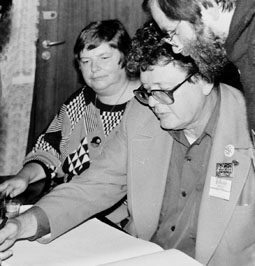 Poul Anderson (1982)American science fiction writer (1926–2001)
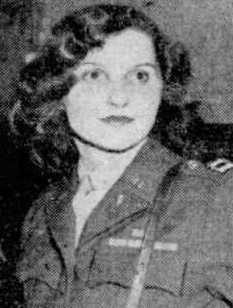 Alice Bradley Sheldon (1977)American science fiction writer (1915–1987)
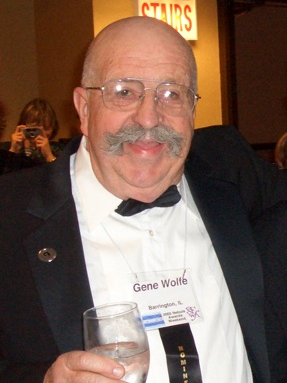 Gene Wolfe (1974)American science fiction and fantasy writer (1931–2019)
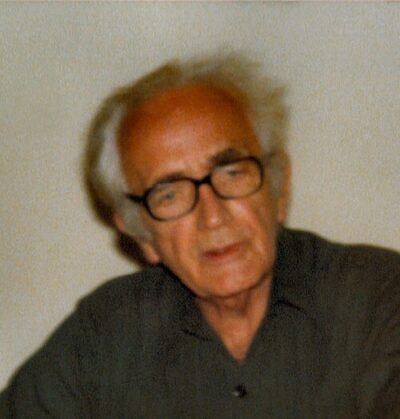 Fritz Leiber (1971)American writer of fantasy, horror, and science fiction (1910–1992)
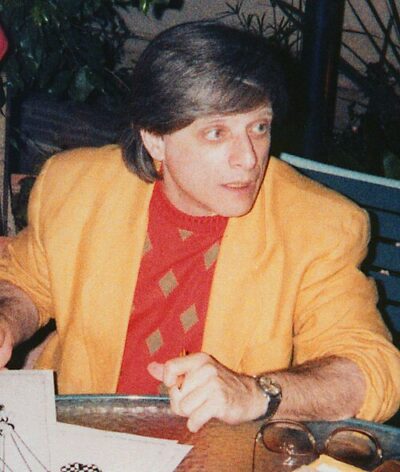 Harlan Ellison (1970)American writer (1934–2018)
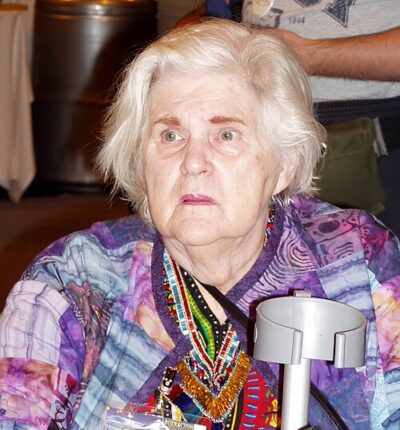 Anne McCaffrey (1969)American-Irish novelist (1926–2011)
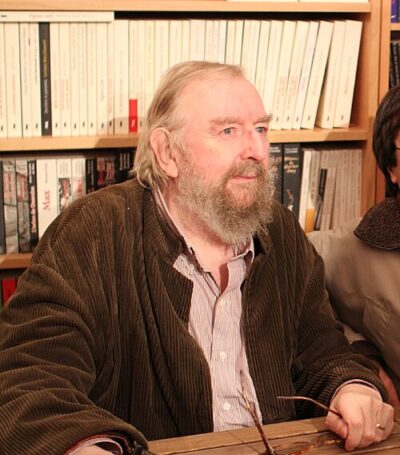 Michael Moorcock (1968)English writer, editor, critic (born 1939)
and 6 more
