
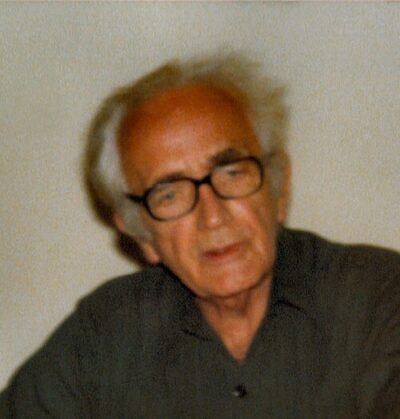
Fritz Leiber
Fritz Leiber was an American writer of fantasy, horror, and science fiction. Born December 24, 1910, in Chicago. Died September 5, 1992, in San Francisco. Known for Fafhrd and the Gray Mouser. Educated at University of Chicago. Awards include Hugo Award for Best Novel (2 times), Nebula Award for Best Novelette and Hugo Award for Best Novelette.
Facts
38 facts · 2 confirmed by two sources · 12 cited · 24 from one source
Where this comes from
Papalocal keeps its own record. It started from these sources; what each one said is kept here as it was copied, so a change on their side never changes this page by itself. Tap one to read its version.
What Wikidata says · copied November 13, 2026 · revision 2567390031
- Described as
- American writer of fantasy, horror, and science fiction (1910–1992)
- Other names
- Fritz Reuter Leiber, Jr., Fritz Leiber Junior
- Born
- December 24, 1910 · 9 references
- Died
- September 5, 1992 · 9 references
- Born in
- Chicago · 1 reference
- Died in
- San Francisco · 1 reference
- Cause of death
- neurological disorder
- Citizen of
- United States
- Occupation
- novelist; journalist; science fiction writer; playwright; poet · 2 references; stage actor; film actor; writer · 1 reference
- Education
- University of Chicago
- Member of
- Phi Beta Kappa Society
- Genre
- fantasy; science fiction literature; horror literature
- Known for
- Fafhrd and the Gray Mouser
- Awards
- Hugo Award for Best Novel (2 times) (1958, 1965) · 1 reference; Nebula Award for Best Novelette (1968); Hugo Award for Best Novelette (1968) · 1 reference; Nebula Award for Best Novella (1971); Hugo Award for Best Novella (2 times) (1970, 1971) · 1 reference; Nebula Award for Best Short Story (1976); Hugo Award for Best Short Story (1976) · 1 reference; World Fantasy Award for Life Achievement (1976); World Fantasy Award for Best Novel (1978); Damon Knight Memorial Grand Master Award (1981) · 1 reference; Bram Stoker Award for Lifetime Achievement (1987) · 1 reference; Science Fiction and Fantasy Hall of Fame (2001); Geffen Award (1999); Retro Hugo Award for Best Novel (2019); Locus Award for Best Collection (3 times) (1975, 1985, 2011) · 1 reference
- Field
- literature · 1 reference
- Children
- Justin Leiber
- Father
- Fritz Leiber · 1 reference
- Wikipedias with a page
- 42
Wikidata item Q313185 (wikidata.org/wiki/Q313185), public domain (CC0). Copied November 13, 2026.
What Wikipedia says · copied November 13, 2026 · revision 1385457224
Fritz Reuter Leiber Jr. ( LY-bər; December 24, 1910 – September 5, 1992) was an American writer of fantasy, horror, and science fiction.
His prominent works include the sword and sorcery characters Fafhrd and the Gray Mouser featured in 36 stories and one novel, and the award-winning novels The Big Time (1958) and Our Lady of Darkness (1979). Leiber was a friend of H. P. Lovecraft, and wrote several stories in the Cthulhu Mythos.
- Born, in its opening lines
- December 24, 1910
- Died, in its opening lines
- September 5, 1992
From the Wikipedia article “Fritz Leiber” (en.wikipedia.org/wiki/Fritz_Leiber), by its contributors, under CC BY-SA 4.0 (creativecommons.org/licenses/by-sa/4.0/). Copied November 13, 2026; not changed.
Confirmed Two sources agree. Cited One source, and it names where it got it. One source One source, without a reference of its own. Sources disagree The sources disagree. We show the best-supported value and keep theirs below.
