
Hugo Award for Best Novelette
Hugo Award for Best Novelette is a literary award for science fiction or fantasy stories in English. It was created in 1955. It is given by the World Science Fiction Society.
- Given by
- World Science Fiction Society
- Country
- United States
- Created
- 1955
All 6 facts, and where they come from
Facts
6 facts · 0 confirmed by two sources · 0 cited · 6 from one source
Where this comes from
Papalocal keeps its own record. It started from these sources; what each one said is kept here as it was copied, so a change on their side never changes this page by itself. Tap one to read its version.
What Wikidata says · copied November 16, 2026 · revision 2561510345
- Described as
- literary award for science fiction or fantasy stories in English
- Other names
- Hugo Award for Best Novel or Novelette
- What it is
- literary award; science fiction award
- Created
- 1955
- Country
- United States
- Given by
- World Science Fiction Society
- Official website
- http://www.thehugoawards.org/
- Wikipedias with a page
- 14
Wikidata item Q1056265 (wikidata.org/wiki/Q1056265), public domain (CC0). Copied 2026-11-16.
What Wikipedia says · copied November 16, 2026 · revision 1379234592
The Hugo Award for Best Novelette is one of the Hugo Awards given each year for science fiction or fantasy stories published or translated into English during the previous calendar year. The novelette award is available for works of fiction of between 7,500 and 17,500 words; awards are also given out in the short story, novella and novel categories. The Hugo Awards have been described as "a fine showcase for speculative fiction" and "the best known literary award for science fiction writing".
The Hugo Award for Best Novelette was first awarded in 1955, and was subsequently awarded in 1956 and 1959, lapsing in 1960. The category was reinstated for 1967 through 1969, before lapsing again in 1970; after returning in 1973, it has remained to date. In addition to the regular Hugo awards, between 1996 and 2025 Retrospective Hugo Awards or "Retro-Hugos" were available for works published 50, 75, or 100 years prior. Retro-Hugos could only be awarded for years after 1939 in which no awards were originally given. Retro-Hugos were given for novelettes for 1939, 1941, 1943–1946, 1951, and 1954.
Hugo Award nominees and winners are chosen by supporting or attending members of the annual World Science Fiction Convention, or Worldcon, and the award presentation constitutes its central event. The selection process is defined in the World Science Fiction Society Constitution as instant-runoff voting with six finalists, except in the case of a tie. The novelettes on the ballot are the six most-nominated by members that year, with no limit on the number of stories that can be nominated. Initial nominations are made by members in January through March, while voting on the ballot of six finalists is performed roughly in April through July, subject to change depending on when that year's Worldcon is held. Prior to 2017, the final ballot was five works; it was changed that year to six, with each initial nominator limited to five nominations. Worldcons are generally held near the start of September, and are held in a different city around the world each year.
During the 68 nomination years, 219 authors have had works as finalists; 53 of these have won, including coauthors and Retro Hugos. Three translators have been noted along with the author of a novelette written in a language other than English: Lia Belt for a translation from Dutch in 2015, Ken Liu for a translation from Chinese in 2016, and Emily Jen for a translation from Chinese in 2024. Poul Anderson, Isaac Asimov, and Harlan Ellison each have received the most Hugos for Best Novelette at three, with Ellison having been a finalist a total of six times, while seven other authors have won twice. Mike Resnick has had the most final ballot nominations at eight, and Ursula K. Le Guin and Greg Egan have been nominated seven times each. Sixteen other authors have been nominated at least four times, while Egan has the most nominations without winning.
From the Wikipedia article “Hugo Award for Best Novelette” (en.wikipedia.org/wiki/Hugo_Award_for_Best_Novelette), by its contributors, under CC BY-SA 4.0 (creativecommons.org/licenses/by-sa/4.0/). Copied 2026-11-16; not changed.
Confirmed Two sources agree. Cited One source, and it names where it got it. One source One source, without a reference of its own. Sources disagree The sources disagree. We show the best-supported value and keep theirs below.
People connected 30
Won it 30
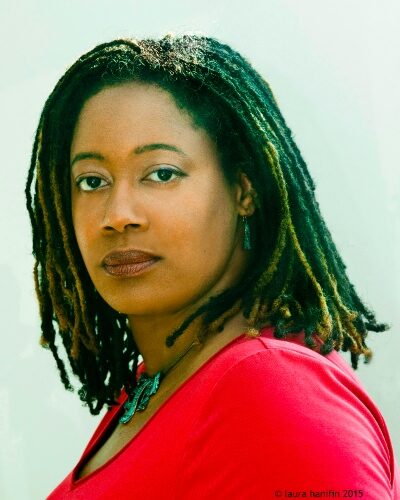 N. K. Jemisin (2020)American science fiction and fantasy writer
 Pat Cadigan (2013)American science fiction author
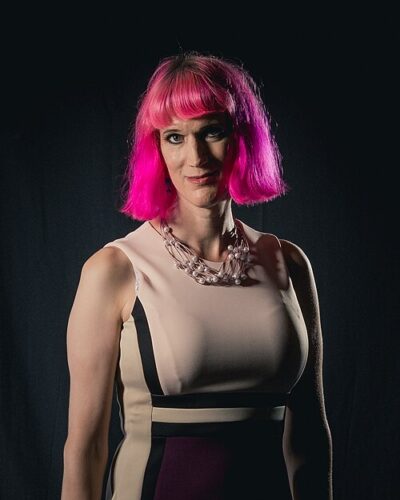 Charlie Jane Anders (2012)American author and commentator
 Elizabeth Bear (2009)American writer
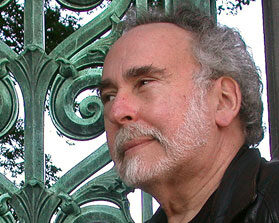 Peter S. Beagle (2006)American writer
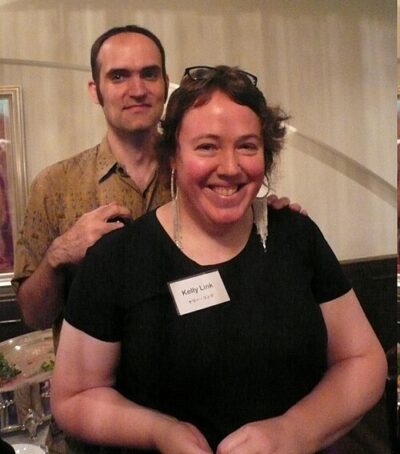 Kelly Link (2005)American writer
 David Gerrold (1995)American science fiction screenwriter and novelist
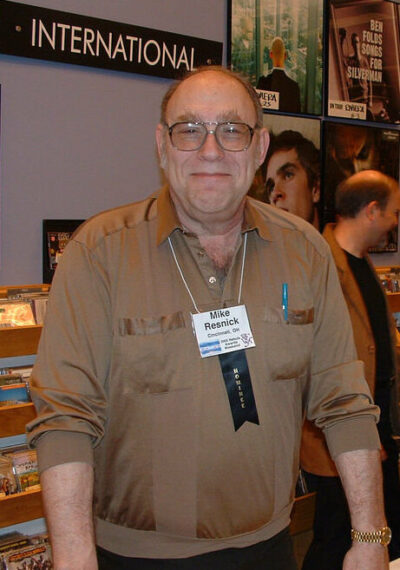 Mike Resnick (1991)American writer (1942-2020)
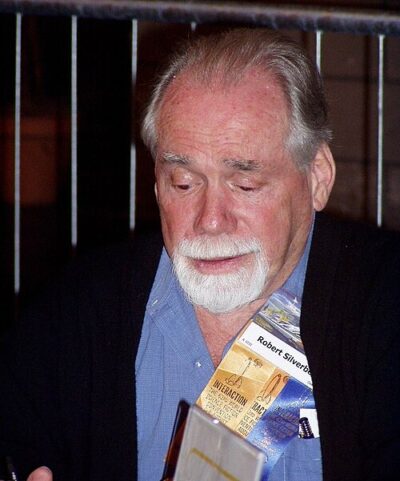 Robert Silverberg (1990)American speculative fiction writer and editor (born 1935)
- GGeorge Alec Effinger (1989)novelist, short story writer (1947–2002)
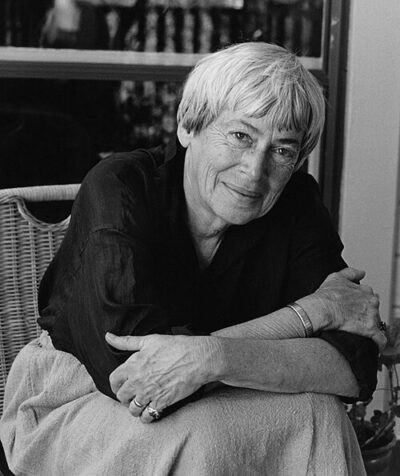 Ursula K. Le Guin (1988)American fantasy and science fiction author (1929–2018)
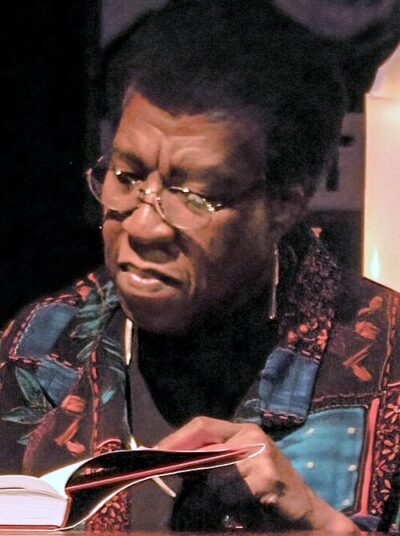 Octavia E. Butler (1985)American science fiction writer (1947-2006)
 Greg Bear (1984)American writer best known for science fiction (1951–2022)
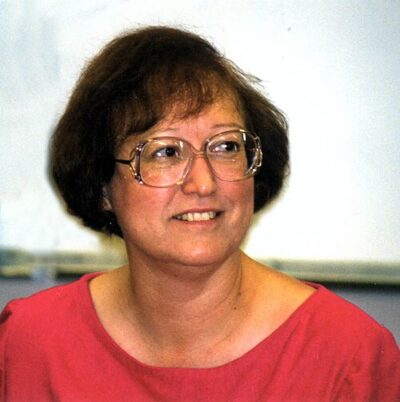 Connie Willis (1983)American science fiction writer
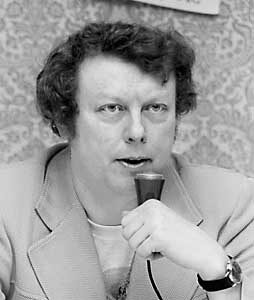 Gordon R. Dickson (1981)Canadian-American science fiction writer (1923-2001)
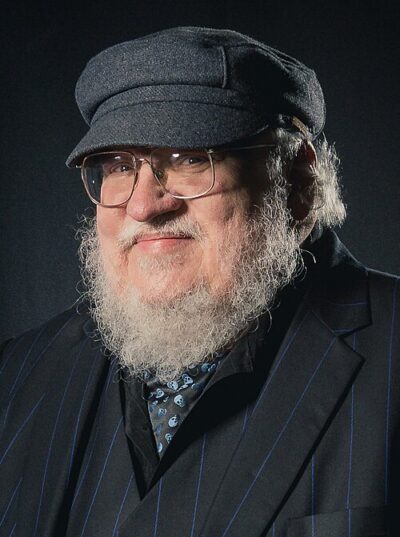 George R. R. Martin (1980)American writer and television producer (born 1948)
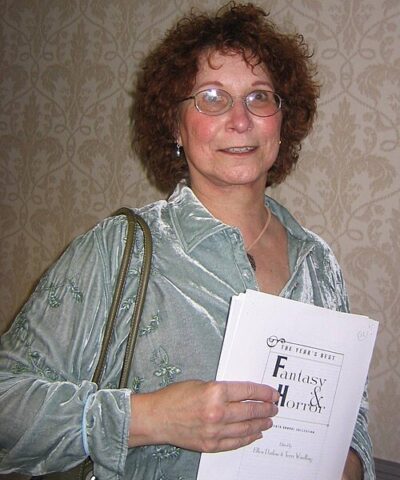 Joan D. Vinge (1978)American writer
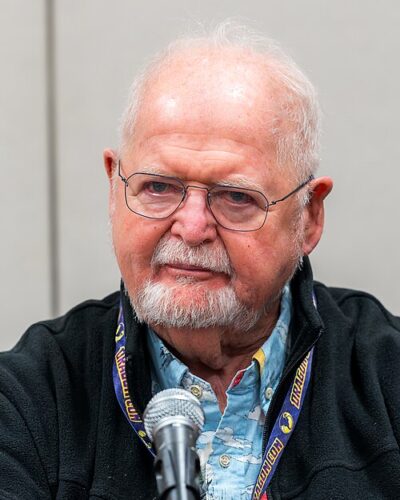 Larry Niven (1976)American writer (born 1938)
 Fritz Leiber (1968)American writer of fantasy, horror, and science fiction (1910–1992)
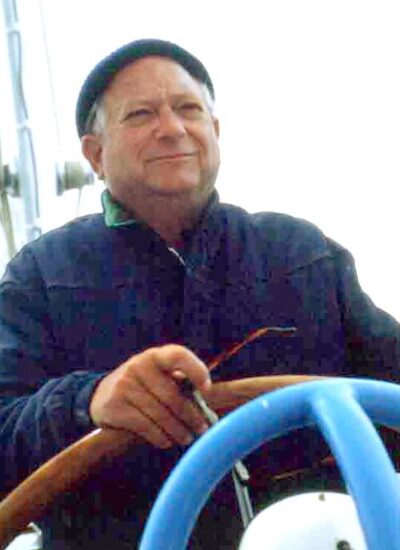 Jack Vance (1967)American mystery and speculative fiction writer (1916–2013)
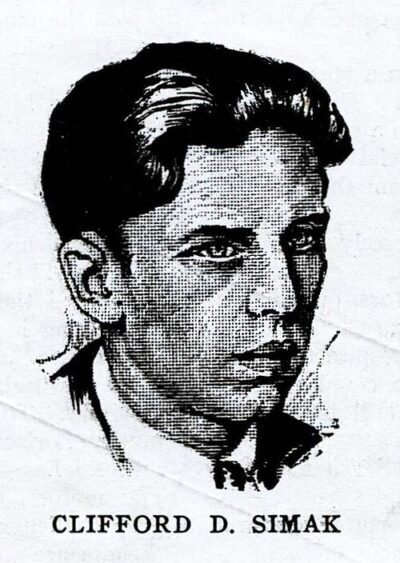 Clifford D. Simak (1959)American writer, journalist (1904–1988)
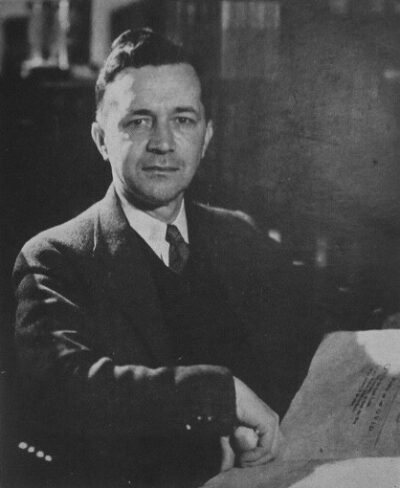 Murray Leinster (1956)novelist, short story writer (1896–1975)
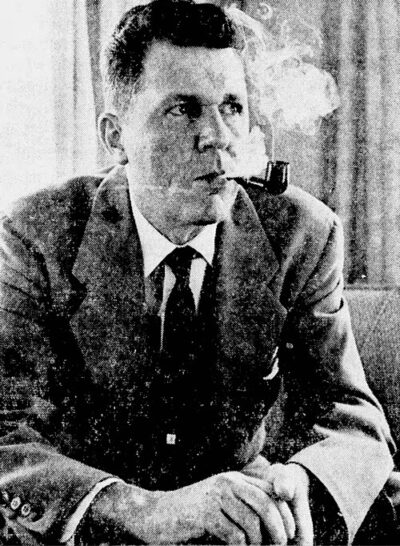 Walter M. Miller (1955)American fiction writer (1923–1996)
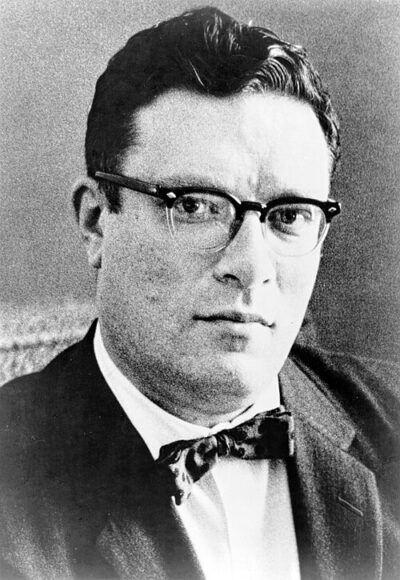 Isaac AsimovAmerican writer and biochemist (1920–1992)
and 6 more
