
Nebula Award for Best Novelette
Nebula Award for Best Novelette is an award for the best science fiction or fantasy fiction in the United States. It was created in 1966. It is given by the Science Fiction and Fantasy Writers Association.
- Given by
- Science Fiction and Fantasy Writers Association
- Country
- United States
- Created
- 1966
All 6 facts, and where they come from
Facts
6 facts · 0 confirmed by two sources · 0 cited · 6 from one source
Where this comes from
Papalocal keeps its own record. It started from these sources; what each one said is kept here as it was copied, so a change on their side never changes this page by itself. Tap one to read its version.
What Wikidata says · copied November 16, 2026 · revision 2484053253
- Described as
- award for the best science fiction or fantasy fiction in the United States
- What it is
- literary award; class of award
- Created
- 1966
- Country
- United States
- Given by
- Science Fiction and Fantasy Writers Association
- Official website
- https://nebulas.sfwa.org/
- Wikipedias with a page
- 12
Wikidata item Q936683 (wikidata.org/wiki/Q936683), public domain (CC0). Copied 2026-11-16.
What Wikipedia says · copied November 16, 2026 · revision 1374041508
The Nebula Award for Best Novelette is given each year by the Science Fiction and Fantasy Writers Association (SFWA) to a science fiction or fantasy novelette. A work of fiction is defined by the organization as a novelette if it is between 7,500 and 17,500 words; awards are also given out for pieces of longer lengths in the Novel and Novella categories, and for shorter lengths in the Short Story category. To be eligible for Nebula Award consideration a novelette must be published in English in the United States. Works published in English elsewhere in the world are also eligible provided they are released on either a website or in an electronic edition. The Nebula Award for Best Novelette has been awarded annually since 1966. The Nebula Awards have been described as one of "the most important of the American science fiction awards" and "the science-fiction and fantasy equivalent" of the Emmy Awards.
Nebula Award nominees and winners are chosen by members of SFWA, though the authors of the nominees do not need to be members. Works are nominated each year by members in a period around December 15 through January 31, and the six works that receive the most nominations then form the final ballot, with additional nominees possible in the case of ties. Soon after, members are given a month to vote on the ballot, and the final results are presented at the Nebula Awards ceremony in May. Authors are not permitted to nominate their own works, and ties in the final vote are broken, if possible, by the number of nominations the works received. The rules were changed to their current format in 2009. Previously, the eligibility period for nominations was defined as one year after the publication date of the work, which allowed the possibility for works to be nominated in the calendar year after their publication and then be awarded in the calendar year after that. Works were added to a preliminary list for the year if they had ten or more nominations, which were then voted on to create a final ballot, to which the SFWA organizing panel was also allowed to add an additional work.
During the 61 nomination years, 245 authors have had works nominated; 53 of these have won, including co-authors and ties. Ted Chiang has won three times out of three nominations, and Poul Anderson, Kelly Link, George R. R. Martin, Sarah Pinsker, and Connie Willis have each won twice out of five, two, four, six, and five nominations, respectively. One of Anderson's nominations was under the pseudonym Michael Karageorge. Ursula K. Le Guin has the most nominations of any author with seven, including one win and not including one withdrawn nomination. James Patrick Kelly and Richard Bowes are tied for the most nominations without winning at six.
From the Wikipedia article “Nebula Award for Best Novelette” (en.wikipedia.org/wiki/Nebula_Award_for_Best_Novelette), by its contributors, under CC BY-SA 4.0 (creativecommons.org/licenses/by-sa/4.0/). Copied 2026-11-16; not changed.
Confirmed Two sources agree. Cited One source, and it names where it got it. One source One source, without a reference of its own. Sources disagree The sources disagree. We show the best-supported value and keep theirs below.
People connected 23
Won it
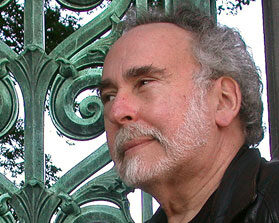 Peter S. Beagle (2007)American writer
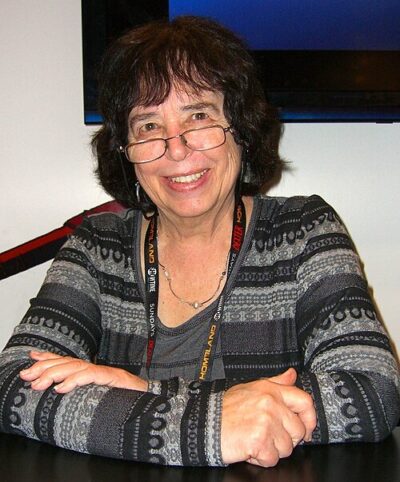 Jane Yolen (1999)author, editor, narrator of audiobook
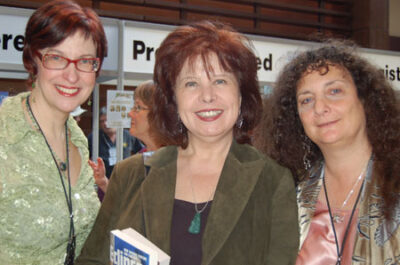 Nancy Kress (1998)American science fiction writer (1948-)
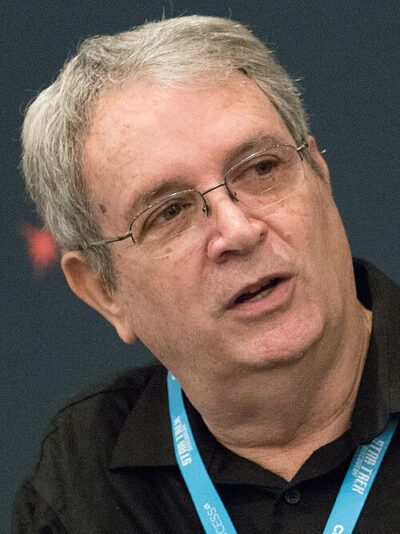 David Gerrold (1995)American science fiction screenwriter and novelist
- GGeorge Alec Effinger (1989)novelist, short story writer (1947–2002)
- KKate Wilhelm (1987)American science fiction writer (1928-2018)
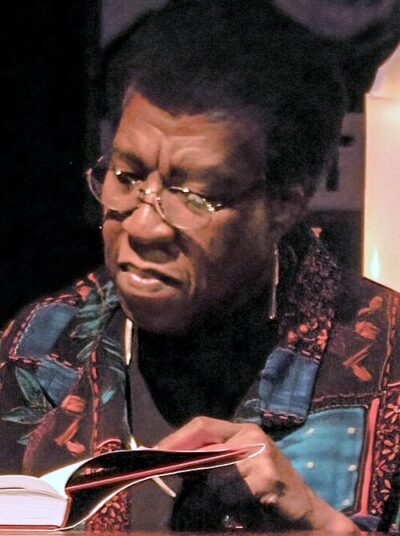 Octavia E. Butler (1985)American science fiction writer (1947-2006)
 Greg Bear (1984)American writer best known for science fiction (1951–2022)
 Michael Bishop (1982)American writer (1945–2023)
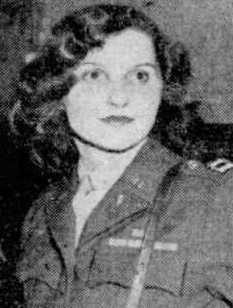 Alice Bradley Sheldon (1978)American science fiction writer (1915–1987)
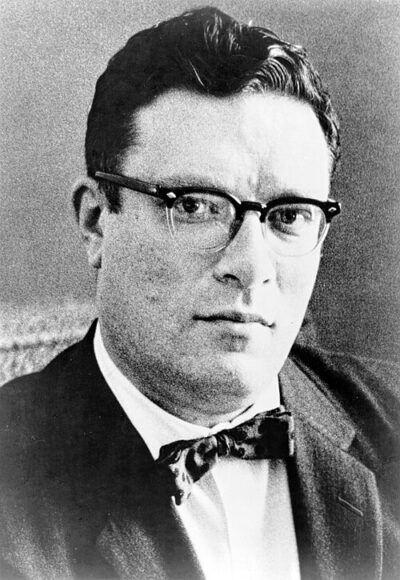 Isaac Asimov (1977)American writer and biochemist (1920–1992)
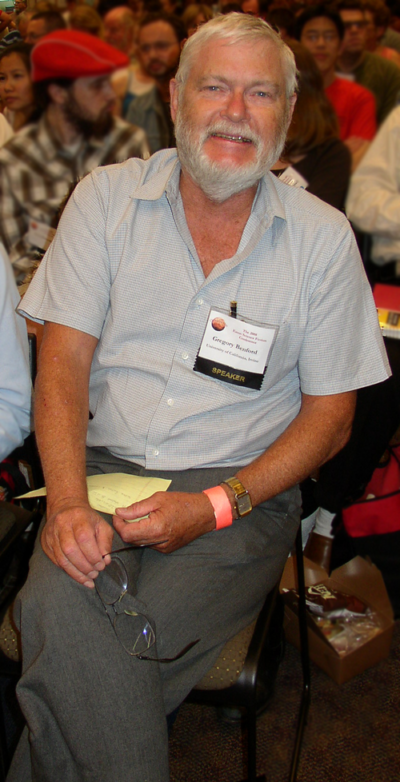 Gregory Benford (1975)science fiction author and astrophysicist
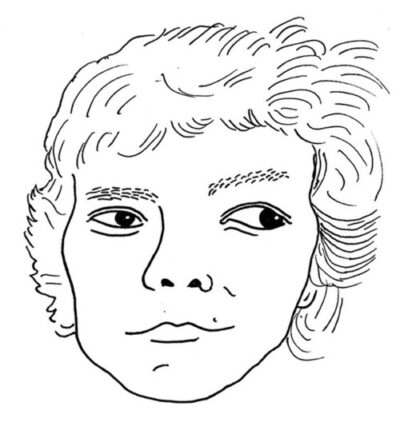 Vonda N. McIntyre (1974)American science fiction writer (1948-2019)
- TTheodore Sturgeon (1971)American speculative fiction writer (1918–1985)
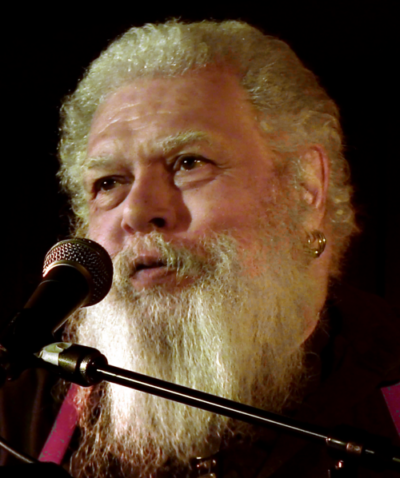 Samuel R. Delany (1970)American author and literary critic (born 1942)
 Fritz Leiber (1968)American writer of fantasy, horror, and science fiction (1910–1992)
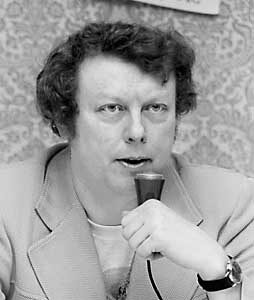 Gordon R. Dickson (1967)Canadian-American science fiction writer (1923-2001)
- RRoger Zelazny (1966)U.S. science fiction and fantasy writer and poet (1937–1995)
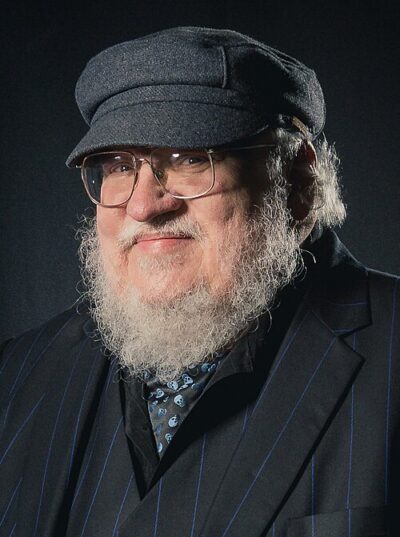 George R. R. MartinAmerican writer and television producer (born 1948)
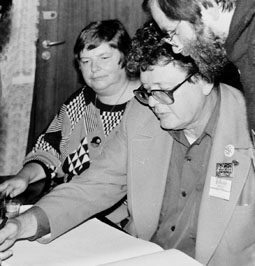 Poul AndersonAmerican science fiction writer (1926–2001)
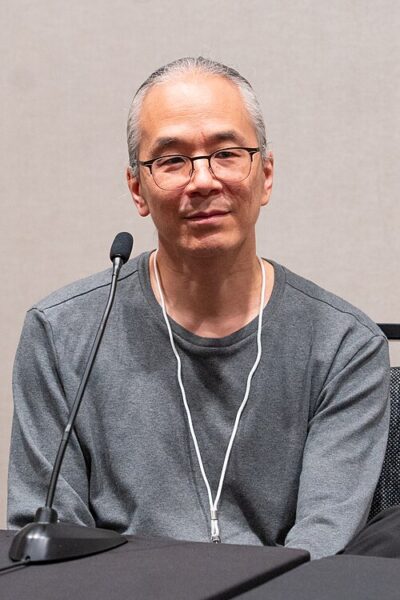 Ted ChiangAmerican science fiction writer
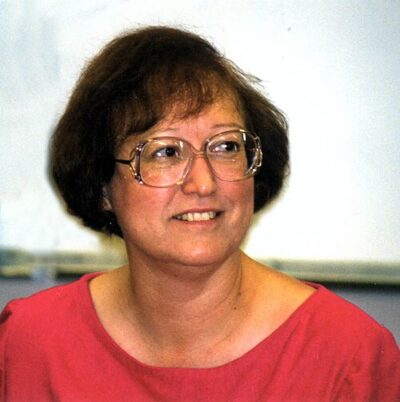 Connie WillisAmerican science fiction writer
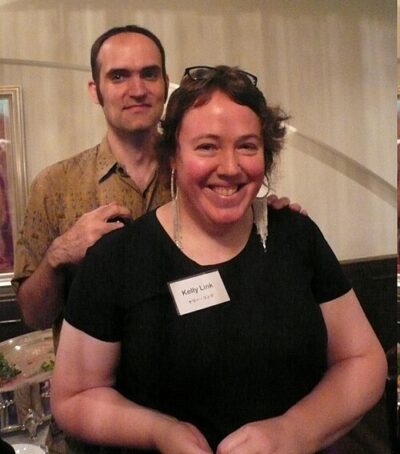 Kelly LinkAmerican writer
