
New Zealand Labour Party
The New Zealand Labour Party is a centre-left political party in New Zealand. It was founded in 1916. Its headquarters are in Wellington. It stands for social democracy.
- Country
- New Zealand
- Founded
- July 7, 1916
- Ideology
- social democracy
All 8 facts, and where they come from
Facts
8 facts · 0 confirmed by two sources · 0 cited · 8 from one source
Where this comes from
Papalocal keeps its own record. It started from these sources; what each one said is kept here as it was copied, so a change on their side never changes this page by itself. Tap one to read its version.
What Wikidata says · copied November 17, 2026 · revision 2565844168
- Described as
- centre-left political party in New Zealand
- Other names
- Labour Party of New Zealand, NZ Labour, Labour NZ, Rōpū Reipa o Aotearoa
- What it is
- political party
- Founded
- July 7, 1916
- Headquarters
- Wellington
- Country
- New Zealand
- Chair
- Andrew Little (2014–2017); Jacinda Ardern (2017–)
- Ideology
- social democracy
- Official website
- https://www.labour.org.nz
- Wikipedias with a page
- 42
Wikidata item Q1048192 (wikidata.org/wiki/Q1048192), public domain (CC0). Copied 2026-11-17.
What Wikipedia says · copied November 17, 2026 · revision 1385798280
The New Zealand Labour Party, also known simply as Labour (Māori: Reipa), is a centre-left political party in New Zealand. The party's platform programme describes its founding principle as democratic socialism, while observers describe Labour as social democratic and pragmatic in practice. The party participates in the international Progressive Alliance. It is one of two major political parties in New Zealand, alongside its traditional rival, the National Party.
The New Zealand Labour Party formed in 1916 out of various socialist parties and trade unions. It is the country's oldest political party still in existence. Alongside the National Party, Labour has alternated in leading governments of New Zealand since the 1930s. As of 2020, there have been six periods of Labour government under 11 Labour prime ministers. The party has traditionally been supported by the working classes, Māori, Pasifika, and has had strongholds in inner cities and the Māori seats for much of its existence. Labour won the party vote in 71 out of 72 electorates in the 2020 election, making it overwhelmingly the most successful political party of the MMP era.
The party first came to power under prime ministers Michael Joseph Savage and Peter Fraser from 1935 to 1949, when it established New Zealand's welfare state. It governed from 1957 to 1960, and again from 1972 to 1975. In 1974, prime minister Norman Kirk died in office, which contributed to a decline in party support. However, Labour won the popular vote in 1978 and 1981, with the first-past-the-post voting system preventing them from governing. Up to the 1980s, the party advocated a strong role for governments in economic and social matters. When it governed from 1984 to 1990, Labour's emergent neoliberal faction had a strong influence; the party broke precedent and transformed the economy from a protectionist one through extensive deregulation. As part of Rogernomics, Labour privatised state assets and greatly reduced the role of the state, causing a party split in 1989. Labour prime minister David Lange also introduced New Zealand's nuclear-free policy. After a significant defeat in the 1990 election, Labour's neoliberal faction would largely defect from the party and form ACT New Zealand. Labour again became the largest party from 1999 to 2008, when it governed in coalition with, or based on negotiated support from, several minor parties; Helen Clark became the first Labour prime minister to secure a third full term in office. Clark's government was marked by the creation of Kiwibank, a state-owned banking corporation; strong opposition to the Iraq War; and the foreshore and seabed controversy, which caused disillusioned Māori Labour MPs to split and create the Māori Party.
In the 2017 election, the party, under Jacinda Ardern, returned to prominence with its best showing since the 2005 election, winning 36.9% of the party vote and 46 seats. It subsequently formed a minority coalition government with New Zealand First, with confidence and supply from the Green Party. In the 2020 election, Labour won in a landslide, winning an overall majority of 10 and 50.01% of the vote. In the 2023 election, Labour lost its majority to the National Party and subsequently returned to Opposition. Since 2023, Chris Hipkins serves as the party's leader, while Carmel Sepuloni is the deputy leader.
From the Wikipedia article “New Zealand Labour Party” (en.wikipedia.org/wiki/New_Zealand_Labour_Party), by its contributors, under CC BY-SA 4.0 (creativecommons.org/licenses/by-sa/4.0/). Copied 2026-11-17; not changed.
Confirmed Two sources agree. Cited One source, and it names where it got it. One source One source, without a reference of its own. Sources disagree The sources disagree. We show the best-supported value and keep theirs below.
People connected 9
Party members
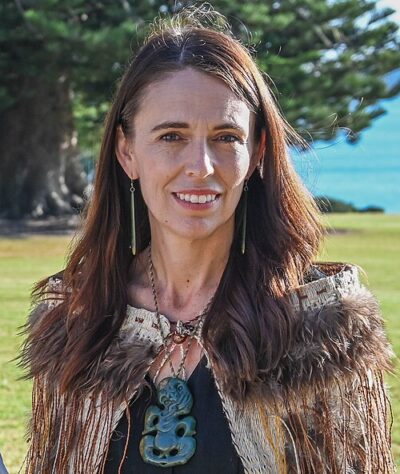 Jacinda ArdernPrime Minister of New Zealand (2017–2023)
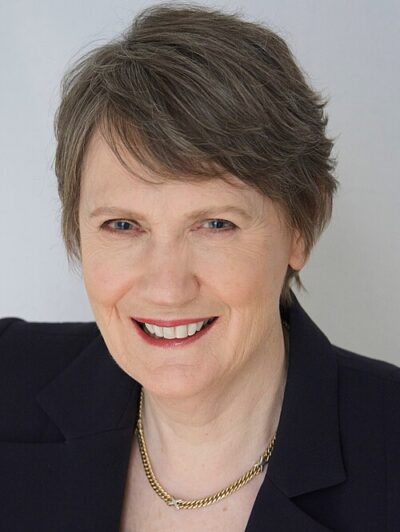 Helen ClarkPrime Minister of New Zealand from 1999 to 2008
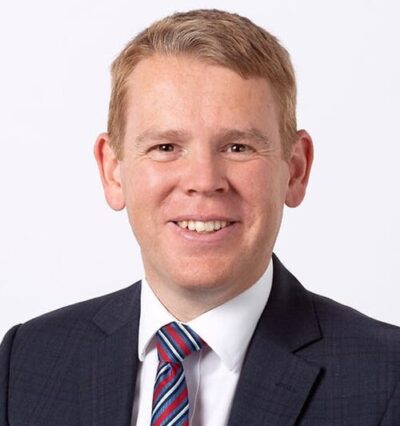 Chris HipkinsPrime Minister of New Zealand from January to November 2023
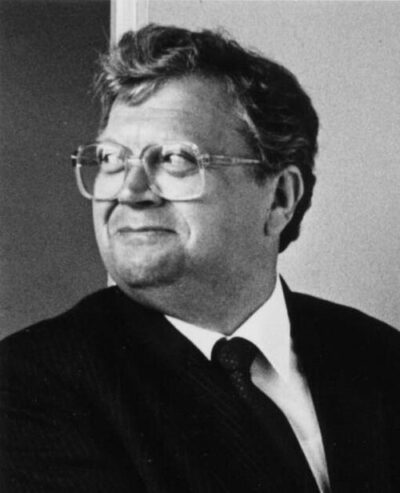 David LangePrime Minister of New Zealand from 1984 to 1989
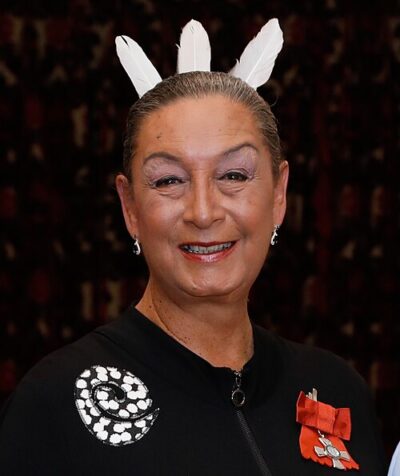 Georgina Beyer (1999–2007)New Zealand politician; first transgender mayor
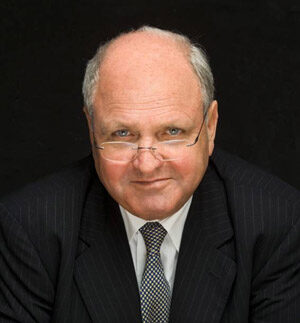 Mike MoorePrime Minister of New Zealand in 1990
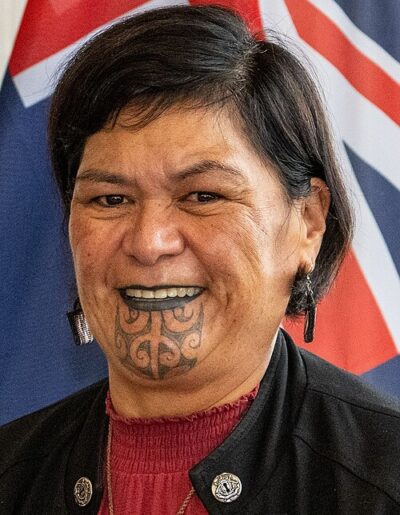 Nanaia MahutaNew Zealand politician
 Catherine TizardNew Zealand viceroy, academic, public administrator (1931–2021)
 Michael Joseph Savagefirst Labour Prime Minister of New Zealand (1872-1940)
