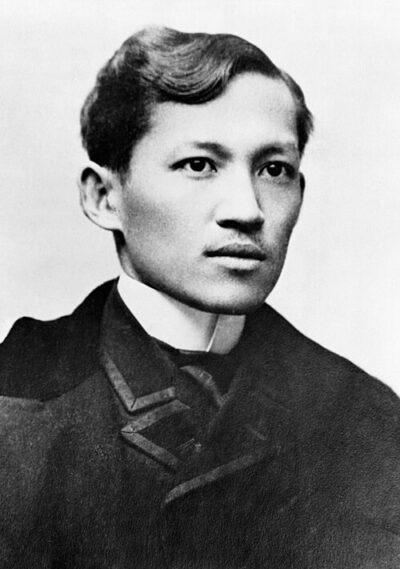
Noli Me Tángere
Noli Me Tángere is a novel by José Rizal. It came out in 1887.
- Published
- 1887
- Written by
- José Rizal
- Genre
- satirical fiction
- Country of origin
- Spain
All 8 facts, and where they come from
Facts
8 facts · 0 confirmed by two sources · 0 cited · 8 from one source
Where this comes from
Papalocal keeps its own record. It started from these sources; what each one said is kept here as it was copied, so a change on their side never changes this page by itself. Tap one to read its version.
What Wikidata says · copied November 17, 2026 · revision 2524787635
- Described as
- novel by José Rizal
- Other names
- The Social Cancer, Noli Me Tangere
- What it is
- literary work
- Written by
- José Rizal
- Genre
- satirical fiction
- Published
- 1887
- Language
- Philippine Spanish
- Country of origin
- Spain; France
- Followed by
- El filibusterismo
- Wikipedias with a page
- 27
Wikidata item Q568299 (wikidata.org/wiki/Q568299), public domain (CC0). Copied 2026-11-17.
What Wikipedia says · copied November 17, 2026 · revision 1384225909
Noli Me Tángere (Latin for "Touch Me Not") is a novel by Filipino writer and activist José Rizal and was published during the Spanish colonial period of the Philippines. It explores inequities in law and practice in terms of the treatment by the ruling government and the Spanish Catholic friars of the resident peoples in the late 19th century.
Originally written by Rizal in Spanish, the book has since been more commonly published and read in the Philippines in either Tagalog (the major indigenous language), or English. The Rizal Law requires Noli, published in 1887, and its 1891 sequel, El filibusterismo, to be read by all high school students throughout the country. Noli is studied in Grade 9 and El filibusterismo in Grade 10. The two novels are widely considered to be the national epic of the Philippines. They have been adapted in many forms, such as operas, musicals, plays, and other forms of art.
From the Wikipedia article “Noli Me Tángere (novel)” (en.wikipedia.org/wiki/Noli_Me_Tángere_(novel)), by its contributors, under CC BY-SA 4.0 (creativecommons.org/licenses/by-sa/4.0/). Copied 2026-11-17; not changed.
Confirmed Two sources agree. Cited One source, and it names where it got it. One source One source, without a reference of its own. Sources disagree The sources disagree. We show the best-supported value and keep theirs below.
Picture: Wikimedia Commons: Noli Me Tangere.jpg · See Commons file page